Get your free personalized podcast brief
We scan new podcasts and send you the top 5 insights daily.
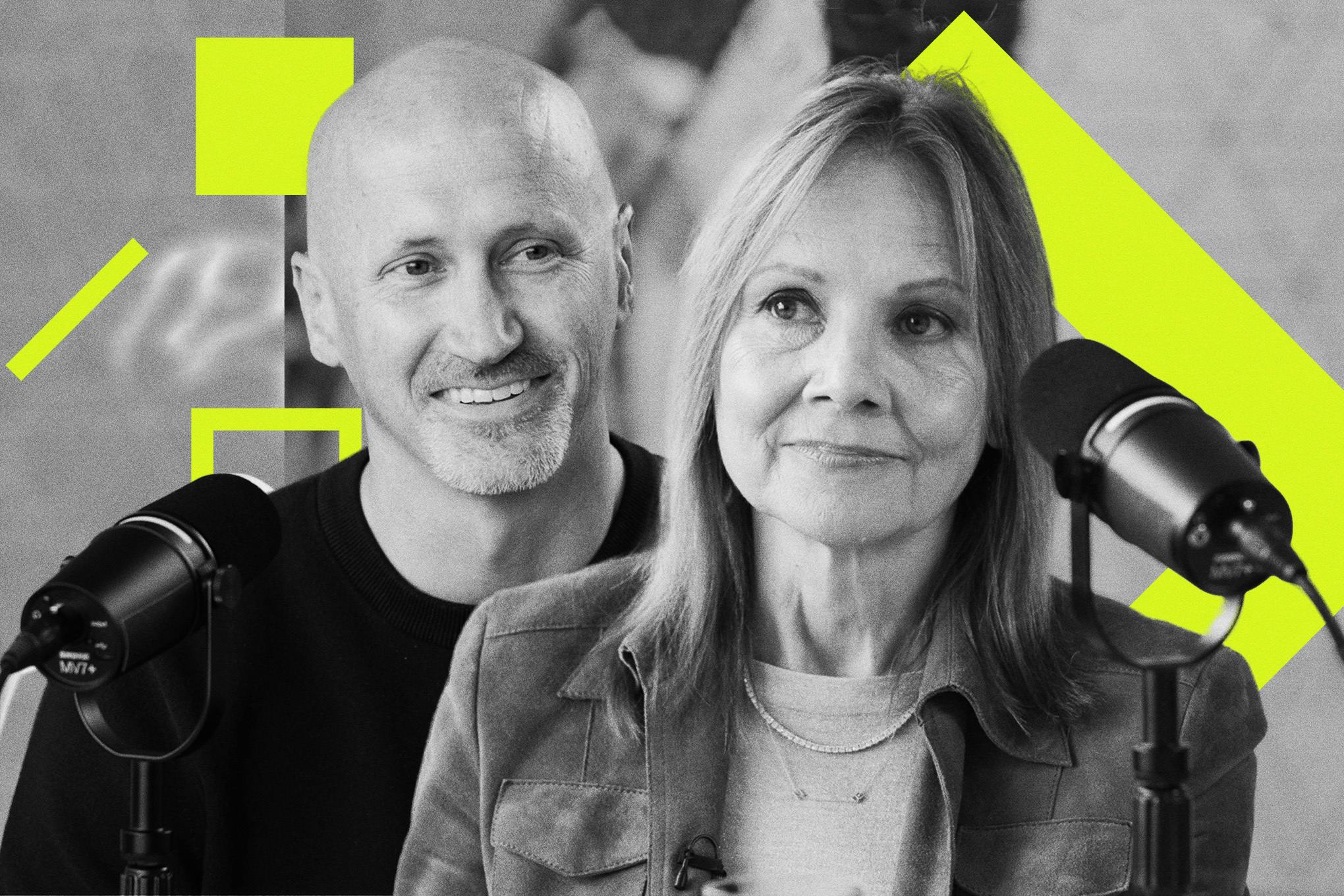
CEO Mary Barra has transformed GM's strategic planning from a rigid annual event into a more frequent and fluid process. This shift allows the senior leadership team to react quickly to new market data and technological learnings, preventing 'momentum' from pushing a program forward when a pivot is needed, a critical capability in the volatile auto market.
Related Insights
GM operates on a functional model, not siloed brand divisions, to maximize economies of scale. By developing a single core platform that can be adapted for different brands like Chevrolet and Cadillac, the company leverages its global scale to offer more features and technology at competitive price points, a key advantage in the capital-intensive auto industry.
In a volatile market with unpredictable factors like tariffs and supply chain issues, long-term plans quickly become obsolete. Macy's CEO operates with a "rolling operating forecast" updated weekly, admitting they are on the 27th version for the year, prioritizing real-time data over static, months-old plans.
Combining strategy, M&A, and integration under a single leader provides a full lifecycle, enterprise-wide view. This structure breaks down silos and creates a "closed-loop system" where post-deal integration performance and lessons learned directly feed back into future strategy and deal theses, refining success metrics beyond financials.

True business agility requires constantly syncing nested plans—tactical, operational, and strategic. It also involves managing efforts across three time horizons: the 'now, next, and beyond.' This military-inspired framework ensures immediate actions align with long-term vision amidst constant change.

In a rapidly evolving field like AI, long-term planning is futile as "what you knew three months ago isn't true right now." Maintain agility by focusing on short-term, customer-driven milestones and avoid roadmaps that extend beyond a single quarter.

Go beyond visual roadmaps. Create a monthly written document for executives that explains *why* the roadmap changed, details priorities, and includes data from recent launches. This forces intentionality, builds trust, and fosters deeper, more accountable conversations with leadership.
While maintaining EVs as its long-term 'North Star,' GM is pragmatically adjusting to slowing EV adoption and regulatory shifts. CEO Mary Barra acknowledges the need to 'meet the customer where they are,' indicating that the profitable internal combustion engine (ICE) business is crucial for funding the transition and maintaining stability through market volatility.
To prevent rigid plans that break, maintain consistency in your high-level strategic pillars for the year. However, build in flexibility by allowing the specific tactics used to achieve those pillars to change quarterly based on performance and new learnings.
Unlike competitors creating isolated 'skunkworks' teams for EV development, GM pursues a steady, integrated approach. The company believes this avoids the 'ingestion risk' of bringing a radical project back into the main organization, allowing innovations in battery tech and architecture to scale more quickly and efficiently across its massive global portfolio.
To avoid bureaucratic slowdown, LEGO's CEO broke his leadership team into smaller, empowered subgroups like a "commercial triangle" (CCO, COO, CMO). These groups handle operational decisions, only escalating disagreements. This has cut full executive meetings to just one hour a month plus quarterly strategy sessions.