Get your free personalized podcast brief
We scan new podcasts and send you the top 5 insights daily.
Complex AI models in soccer don't "speak English." Instead of feeding raw data to a coach, a specialized analyst interprets model outputs (e.g., moments with high goal probability) to find corresponding video clips. This translates complex analytics into a familiar medium coaches can act upon.

Related Insights
AI is only as good as the public data it's trained on. An expert coach provides proprietary, real-time frameworks and data that AI cannot access. For AI expert Callan Faulkner, paying for coaching is a strategy to 'collapse time' and gain an unbeatable competitive edge that generates massive ROI.

The challenge of modeling a fluid game like soccer is solved by "discretizing" continuous play. Analysts define a series of distinct micro-events (e.g., a 2.5-second pass-and-receive sequence), which turns an overwhelming stream of coordinate data into analyzable, aggregated metrics.
A significant part of a player's value, particularly on defense, comes from actions that prevent scoring opportunities. Analytics can now quantify this by measuring how effectively a player closes passing lanes, essentially calculating the value of a negative outcome that was successfully averted.
Despite the availability of live data, most data-driven tactical adjustments are not made second-by-second. Instead, analysts use halftime or other long breaks to compare the pre-game plan with the "realized outcome" of the first half and communicate key insights to managers for strategic changes.
To moderate Fernandes' high-risk shots, manager Erik ten Hag presented him with a data board visualizing his success rate from different positions. This data-driven coaching method proved more effective than simple instruction, persuading Fernandes to focus on higher-percentage opportunities without stifling his creativity.

An AI agent with access to work product can serve as an impartial manager. It can analyze performance quantitatively, like a sports coach reviewing game tape, and deliver feedback without the human biases, office politics, or emotional friction that complicates traditional performance reviews.
Brand and communications teams can bridge their data skills gap by using AI. By uploading performance reports to tools like ChatGPT, they can ask for analysis, identify trends, and learn to think like data-driven marketers, boosting their confidence and strategic input.

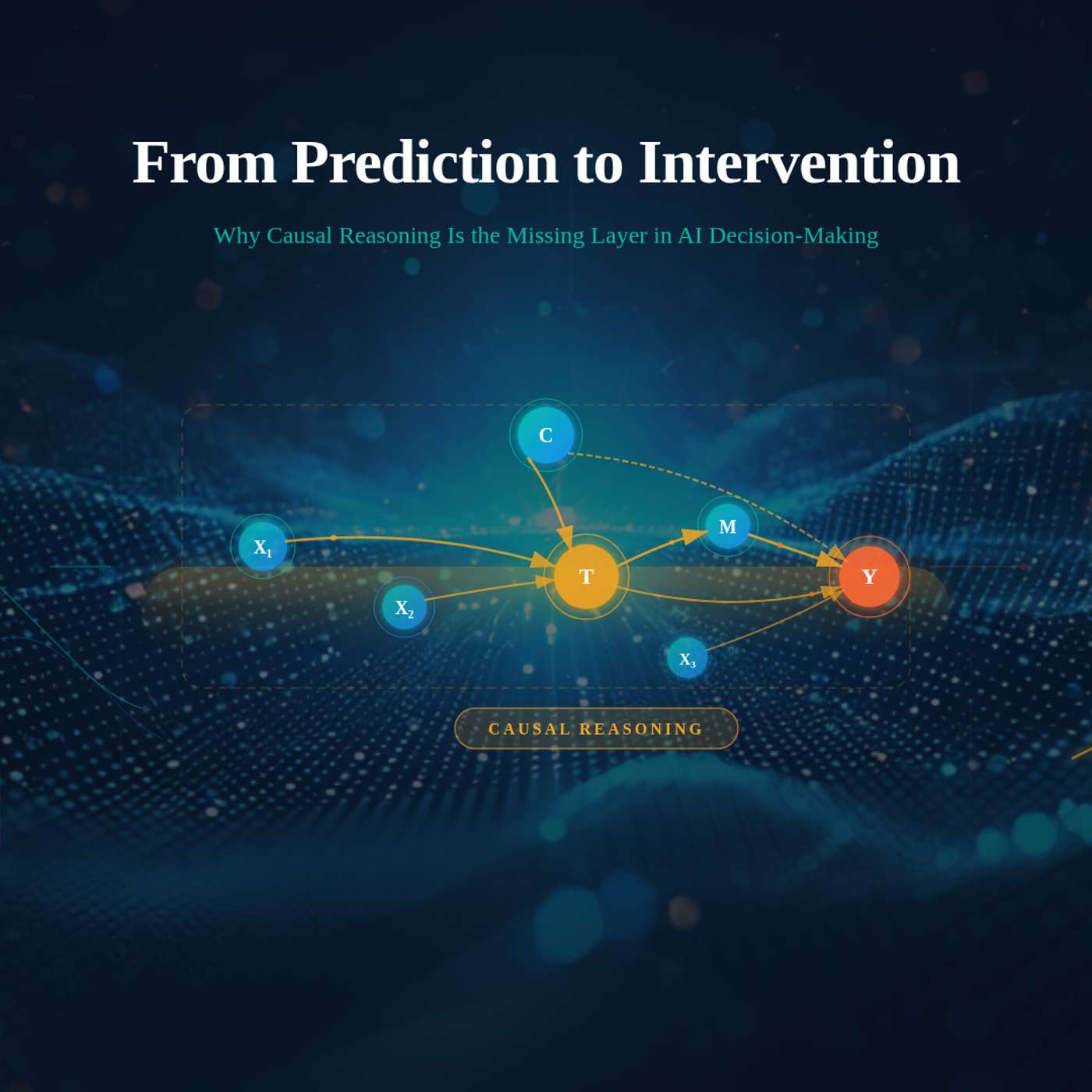
Causal AI is transforming the analyst's function from passively interpreting model predictions to actively prescribing and validating business interventions. This shift requires new skills, such as communicating causal diagrams and developing 'what if' narratives to guide stakeholder decisions and challenge model assumptions.
Gemini 3 can analyze hour-long videos, providing detailed, actionable feedback on performance. This moves AI from a content summarizer to a sophisticated coach for presenters, podcasters, and sales professionals, identifying nuanced issues like alienating audio-only audiences.

The value of a personal AI coach isn't just tracking workouts, but aggregating and interpreting disparate data types—from medical imaging and lab results to wearable data and nutrition plans—that human experts often struggle to connect.