Get your free personalized podcast brief
We scan new podcasts and send you the top 5 insights daily.
While the Colombian government touts a significant increase in cocaine interceptions as a success, the sheer volume of these seizures actually points to an unprecedented surge in production, which is at a record high.
Related Insights
Organized crime in Latin America is evolving as drug gangs diversify their portfolios into human trafficking. They repurpose existing infrastructure, such as corrupt official contacts and money laundering networks built for the cocaine trade, to run these new operations. This strategic shift has turned previously separate criminal networks into interconnected 'best friends.'

Instead of shipping finished cocaine, traffickers now export an intermediate product, "coca base," to Europe for final processing in local labs. This "narco nearshoring" strategy mirrors legitimate commodity export models, shifting risk and transforming Latin America into a raw material supplier for a European-finished product.
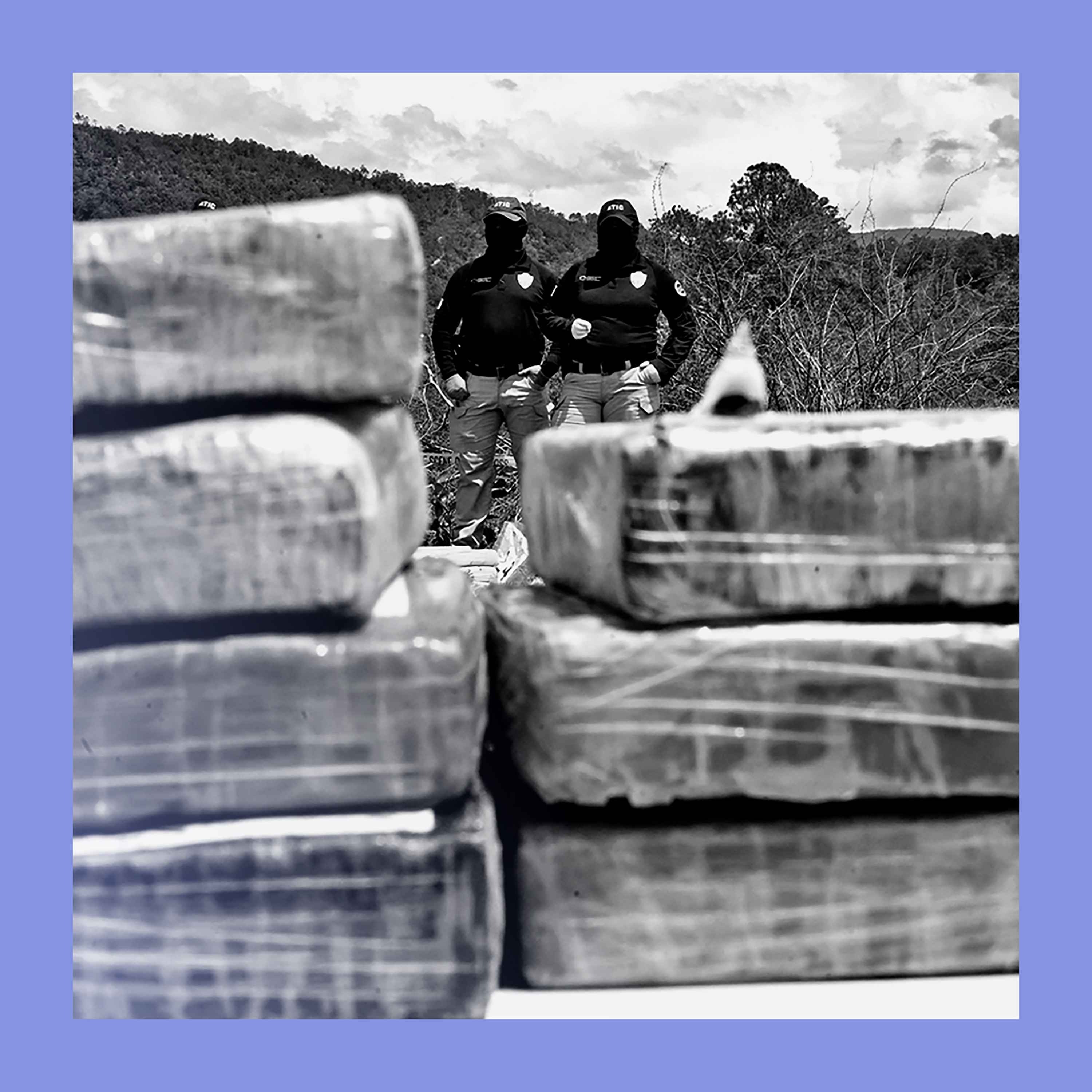
While US cocaine consumption has flattened, European demand has surged by 60% in a decade, making it the world's largest market. Traffickers are chasing higher wholesale prices in Europe and especially Australia, where a kilo can fetch over eight times the US price, fundamentally reshaping global smuggling routes.
The Mexican government's headline statistic on falling murder rates is misleading. A more comprehensive analysis including 'disappeared' persons, femicides, and manslaughter reveals a much more modest, though still significant, decline. This highlights how official data can obscure the full reality of a security situation.
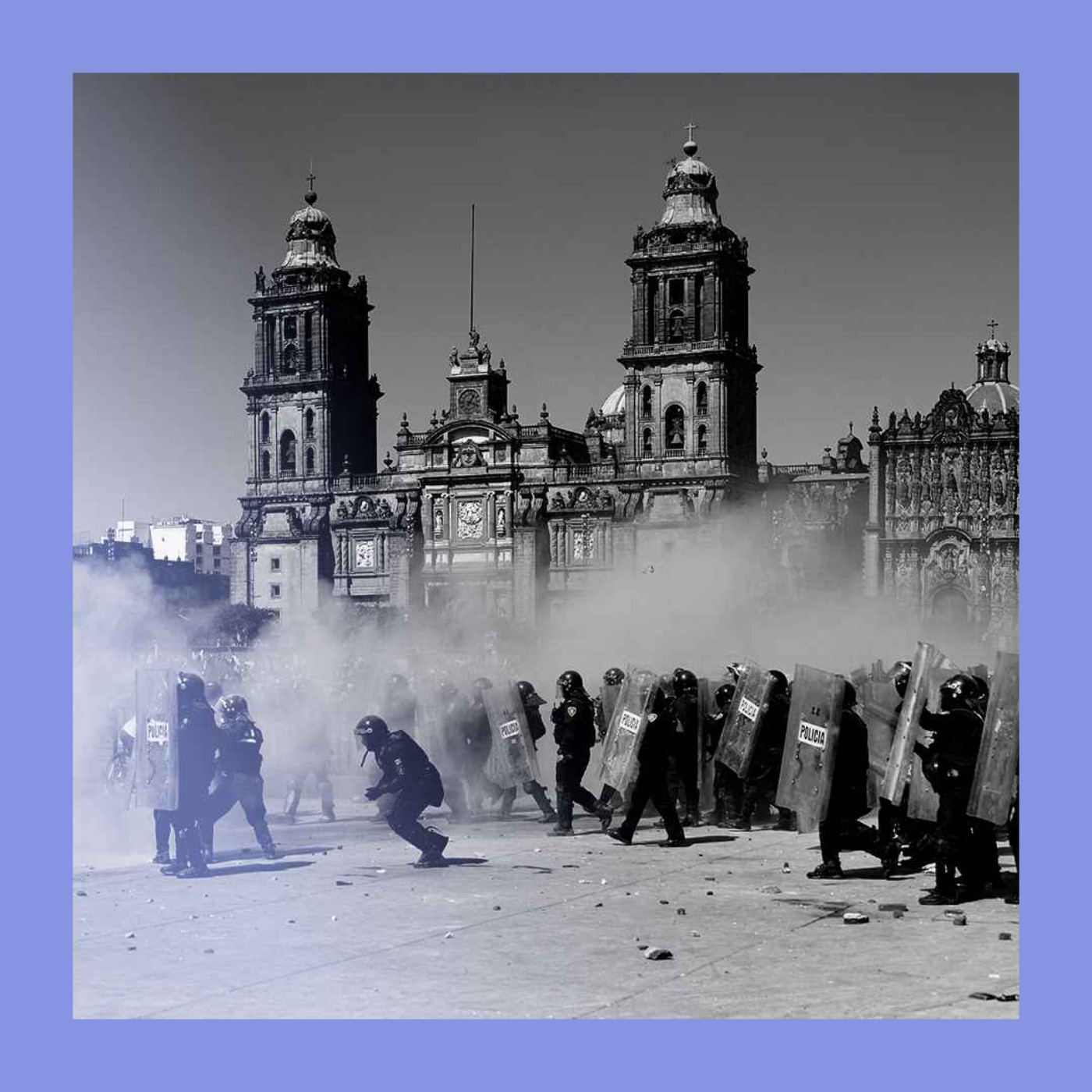
The successful crackdown on the relatively business-minded Sinaloa cartel created a power vacuum. This void was filled by the more brutal Jalisco New Generation Cartel, which uses extreme violence as its primary business model. This inadvertently worsened the security situation by replacing a predictable actor with a chaotic one.

Drug trafficking has shifted from vertically integrated cartels to a fluid network of specialized subcontractors. This model, similar to tech manufacturing, makes the supply chain more resilient to disruption and fosters innovation in cultivation, smuggling, and money laundering, making it harder for law enforcement to disrupt.
The public narrative of fighting narco-terrorism in Venezuela is a red herring. The true strategic goal is to justify a U.S. military presence in the Caribbean to counter China's growing economic and military investments in the region, including control of key shipping routes and military partnerships.

The drug crisis may be perpetuated by a system that benefits from its existence, including pharmaceutical companies, bureaucracies, and consultants. The proposed solution of providing more prescribed drugs is framed as ironically profiting the same industry that helped cause the opioid crisis, creating a perverse incentive against recovery.

The "narco-state" narrative is misleading. While officials profit from drug trafficking, the state's primary income is oil. Disrupting the drug trade angers corrupt generals but doesn't threaten the government's core financial stability.

The demand for extremely high-THC cannabis is a direct consequence of prohibition and over-regulation. Just as alcohol prohibition led to moonshine, when consumers take risks or pay high taxes, they demand the most potent product for their money, skewing the market.