Get your free personalized podcast brief
We scan new podcasts and send you the top 5 insights daily.
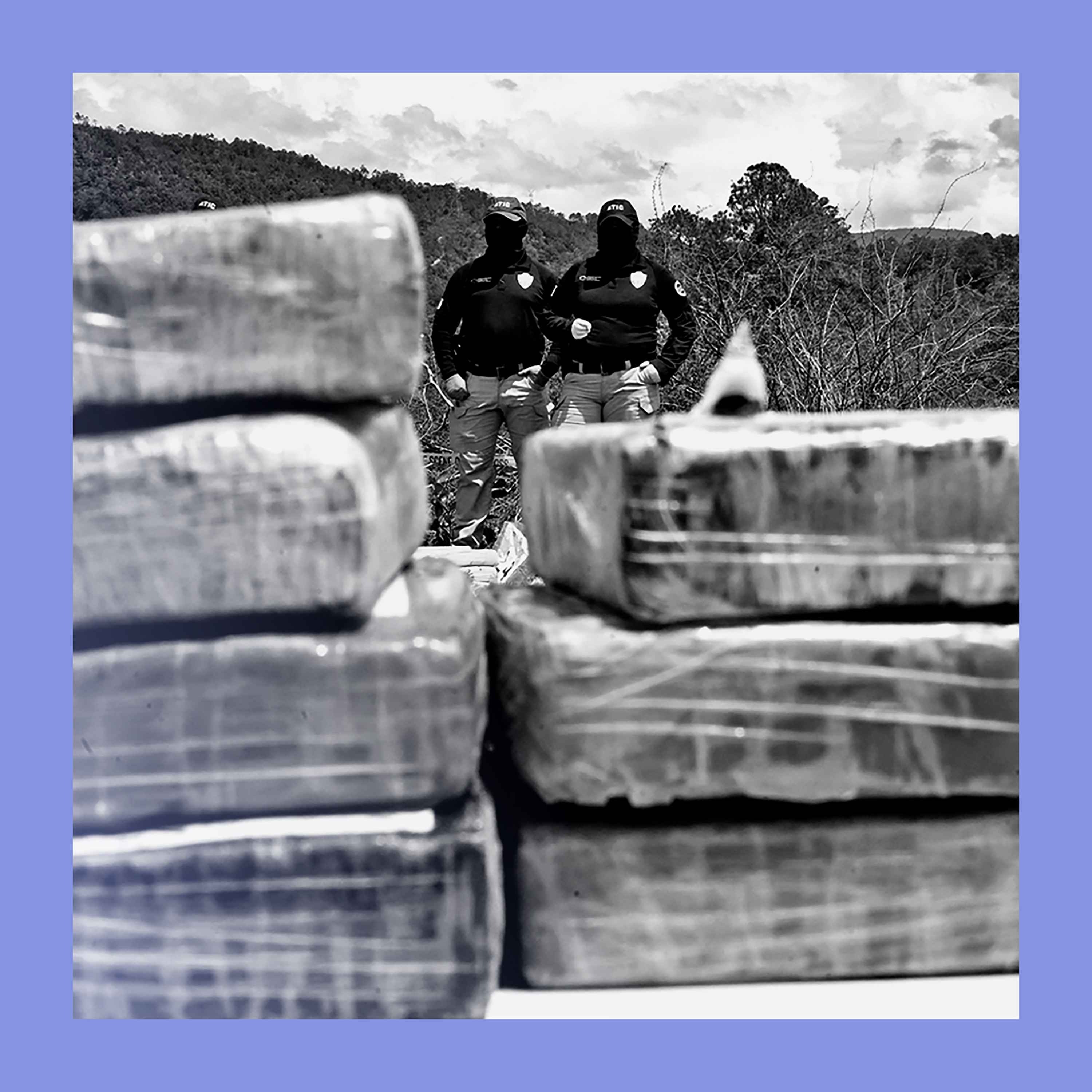
While US cocaine consumption has flattened, European demand has surged by 60% in a decade, making it the world's largest market. Traffickers are chasing higher wholesale prices in Europe and especially Australia, where a kilo can fetch over eight times the US price, fundamentally reshaping global smuggling routes.
Related Insights
The discount between world cocoa prices and what farmers in Côte d'Ivoire and Ghana receive has narrowed dramatically, from as high as 75% to around 25-30%. This vast improvement in farm gate prices provides a powerful financial incentive for farmers to increase output, boosting investor confidence and signaling a long-term structural shift towards a more balanced and stable supply.

Organized crime in Latin America is evolving as drug gangs diversify their portfolios into human trafficking. They repurpose existing infrastructure, such as corrupt official contacts and money laundering networks built for the cocaine trade, to run these new operations. This strategic shift has turned previously separate criminal networks into interconnected 'best friends.'

Instead of shipping finished cocaine, traffickers now export an intermediate product, "coca base," to Europe for final processing in local labs. This "narco nearshoring" strategy mirrors legitimate commodity export models, shifting risk and transforming Latin America into a raw material supplier for a European-finished product.
A novel form of organized crime involves gangs buying small, established freight forwarding businesses. They leverage the company's legitimate reputation to take possession of high-value shipping containers, steal the goods, and then promptly shut down the business and disappear, making the crime nearly untraceable.

The "Operation Gatekeeper" bust uncovered a massive illegal AI chip smuggling operation into China. This indicates that prior to the recent policy change, a significant black market existed to circumvent US export controls, suggesting high, unmet demand that official numbers don't capture.

The global cocoa market is becoming less concentrated as production becomes more geographically diversified. Specifically, a significant increase in output and market share from Ecuador is helping to mitigate the industry's historical over-reliance on crops from Côte d'Ivoire and Ghana. This structural shift reduces systemic supply-side risk for the entire industry.
Counterintuitively, the tobacco industry thrives despite losing millions of customers. As casual smokers quit, the remaining base is more addicted and less price-sensitive. Companies exploit this by raising prices faster than sales volume declines, increasing profits from a shrinking market.

While NVIDIA projects $20 billion in annual sales to China, the recent bust of a $160 million smuggling ring suggests a vast black market already existed. This new legal channel may not represent entirely new demand but rather the formalization of pre-existing, illicit supply chains.
Drug trafficking has shifted from vertically integrated cartels to a fluid network of specialized subcontractors. This model, similar to tech manufacturing, makes the supply chain more resilient to disruption and fosters innovation in cultivation, smuggling, and money laundering, making it harder for law enforcement to disrupt.
The Maduro regime is not just a corrupt petrostate; it is a diversified criminal enterprise. It has expanded into drug trafficking, gold smuggling, and human trafficking, turning Venezuela into a safe haven for global criminal networks, terrorist groups, and adversaries like Russia and Iran.