Get your free personalized podcast brief
We scan new podcasts and send you the top 5 insights daily.
The core appeal of open-source projects like OpenClaw is that they run locally on user hardware, granting full control over personal data. This contrasts with cloud-based agents from Meta, positioning data ownership and privacy as a key differentiator against convenience.

Related Insights
By running locally on a user's machine, AI agents can interact with services like Gmail or WhatsApp without needing official, often restrictive, API access. This approach works around the corporate "red tape" that stifles innovation and effectively liberates user data from platform control.
The primary competitive vector for consumer AI is shifting from raw model intelligence to accessing a user's unique data (emails, photos, desktop files). Recent product launches from Google, Anthropic, and OpenAI are all strategic moves to capture this valuable personal context, which acts as a powerful moat.

While tech enthusiasts focus on powerful but complex agents like OpenClaw, Meta's Manus is gaining traction by offering a simplified, code-free version. This suggests mass-market adoption for AI agents hinges on ease of use and accessibility, not just technical capability.

The technical friction of setting up AI agents creates a market for dedicated hardware solutions that abstract away complexity, much like Sonos did for home audio, making powerful AI accessible to non-technical users.
By running AI models directly on the user's device, the app can generate replies and analyze messages without sending sensitive personal data to the cloud, addressing major privacy concerns.
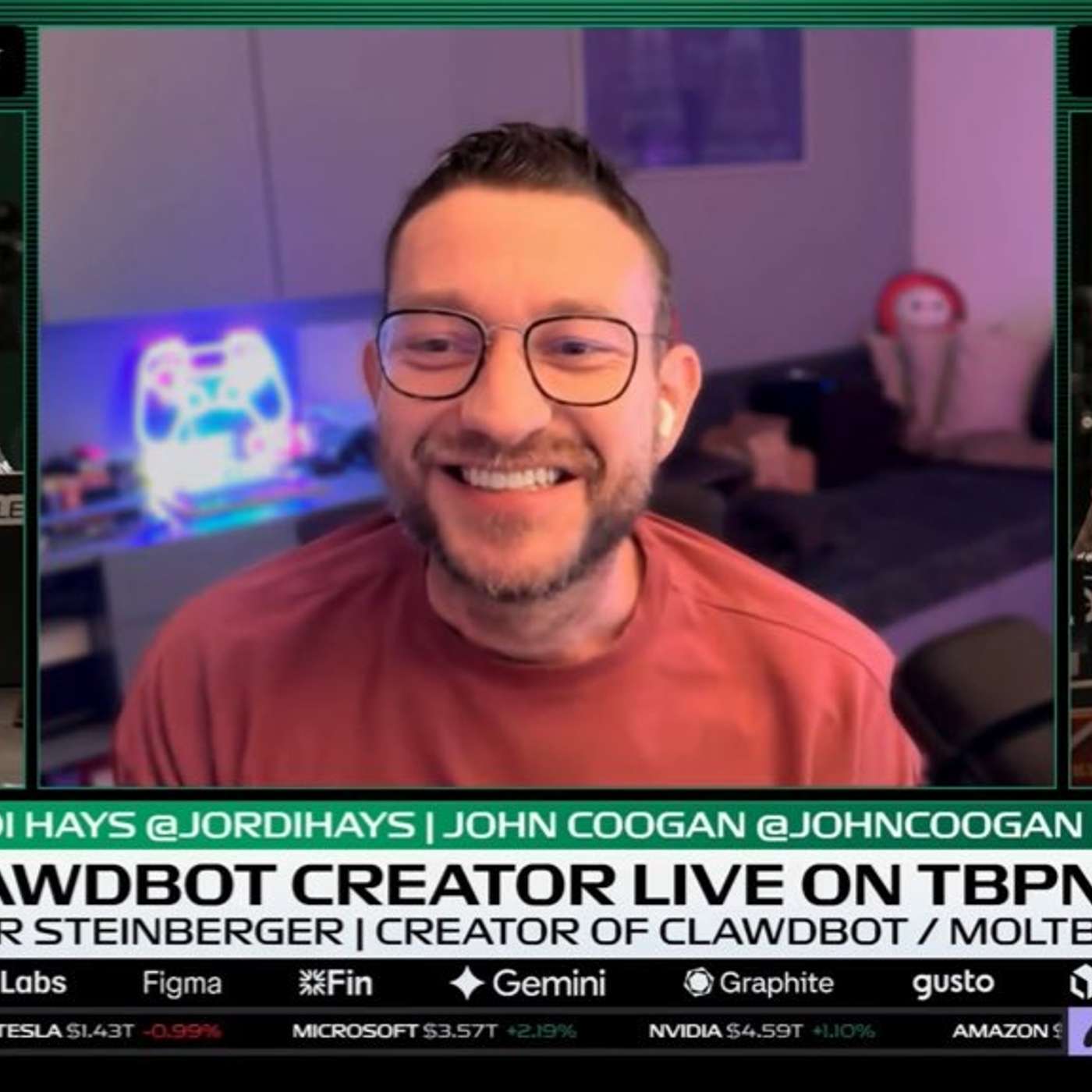
Clawdbot, an open-source project, has rapidly achieved broad, agentic capabilities that large AI labs (like Anthropic with its 'Cowork' feature) are slower to release due to safety, liability, and bureaucratic constraints.
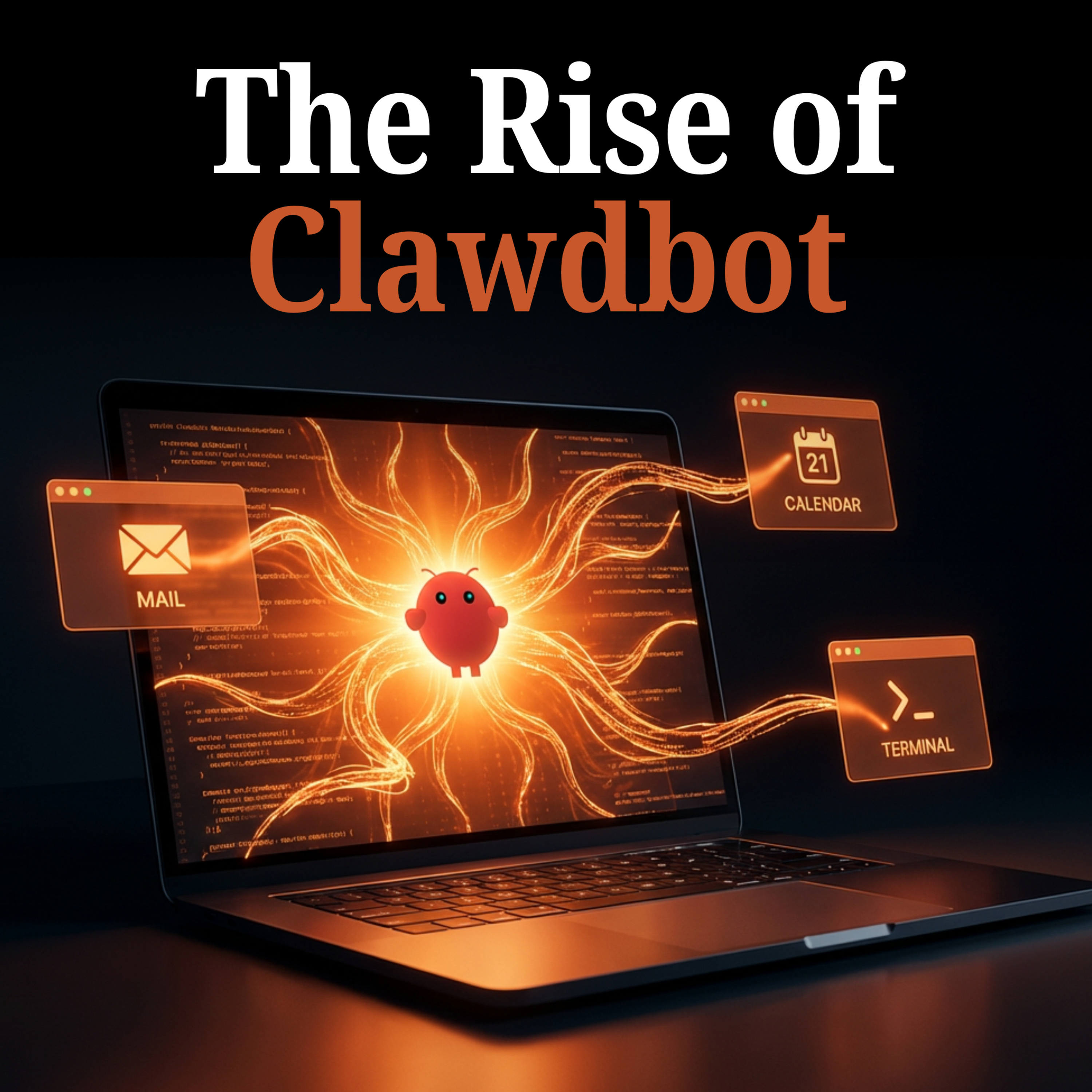
By running on a local machine, Clawdbot allows users to own their data and interaction history. This creates an 'open garden' where they can swap out the underlying AI model (e.g., from Claude to a local one) without losing context or control.
The excitement around tools like OpenClaw stems from their ability to empower non-programmers to create custom software and workflows. This replicates the feeling of creative power previously exclusive to developers, unlocking a long tail of niche, personalized applications for small businesses and individuals who could never build them before.
The primary driver for running AI models on local hardware isn't cost savings or privacy, but maintaining control over your proprietary data and models. This avoids vendor lock-in and prevents a third-party company from owning your organization's 'brain'.
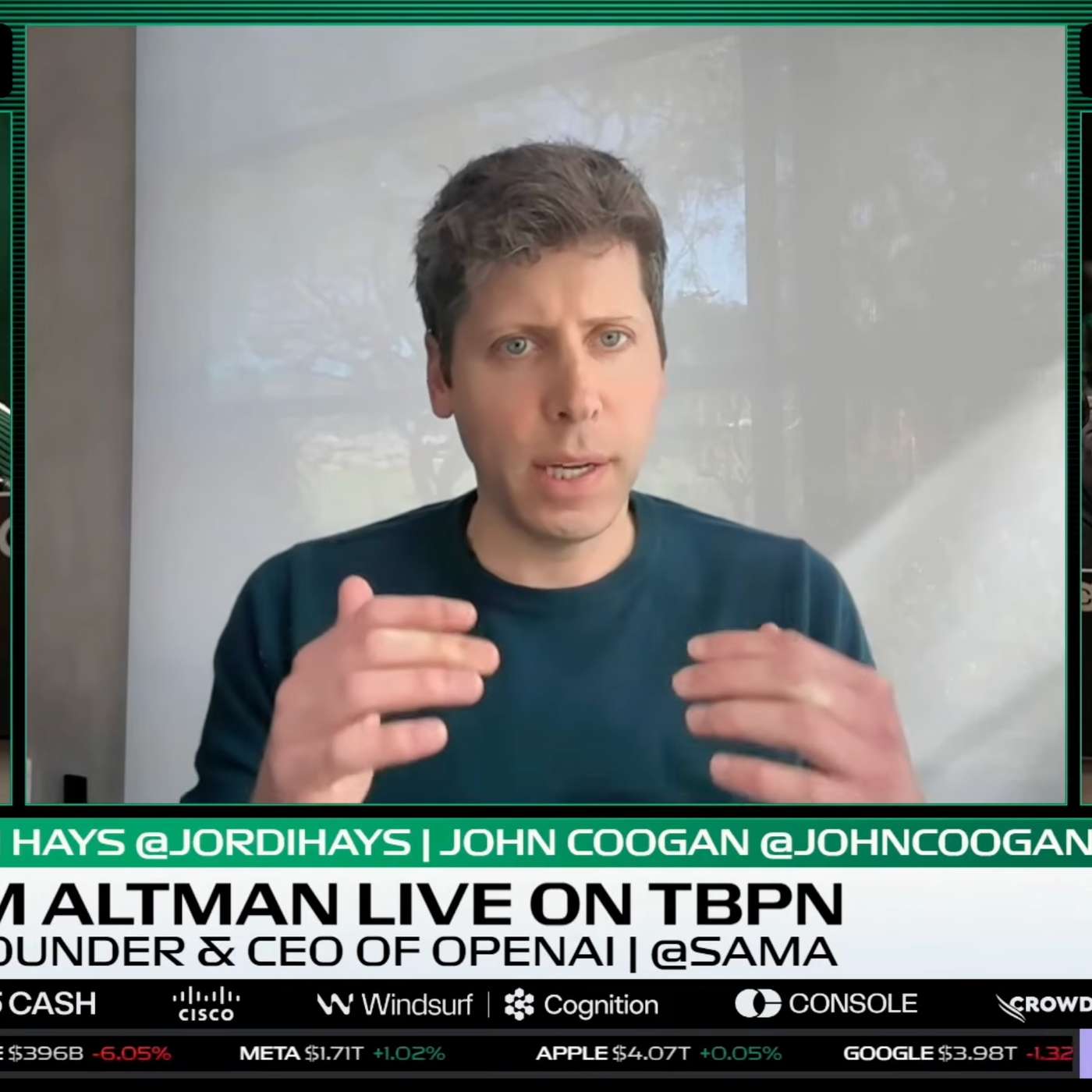
Altman praises projects like OpenClaw, noting their ability to innovate is a direct result of being unconstrained by the lawsuit and data privacy fears that paralyze large companies. He sees them as the "Homebrew Computer Club" for the AI era, pioneering new UX paradigms.