Get your free personalized podcast brief
We scan new podcasts and send you the top 5 insights daily.
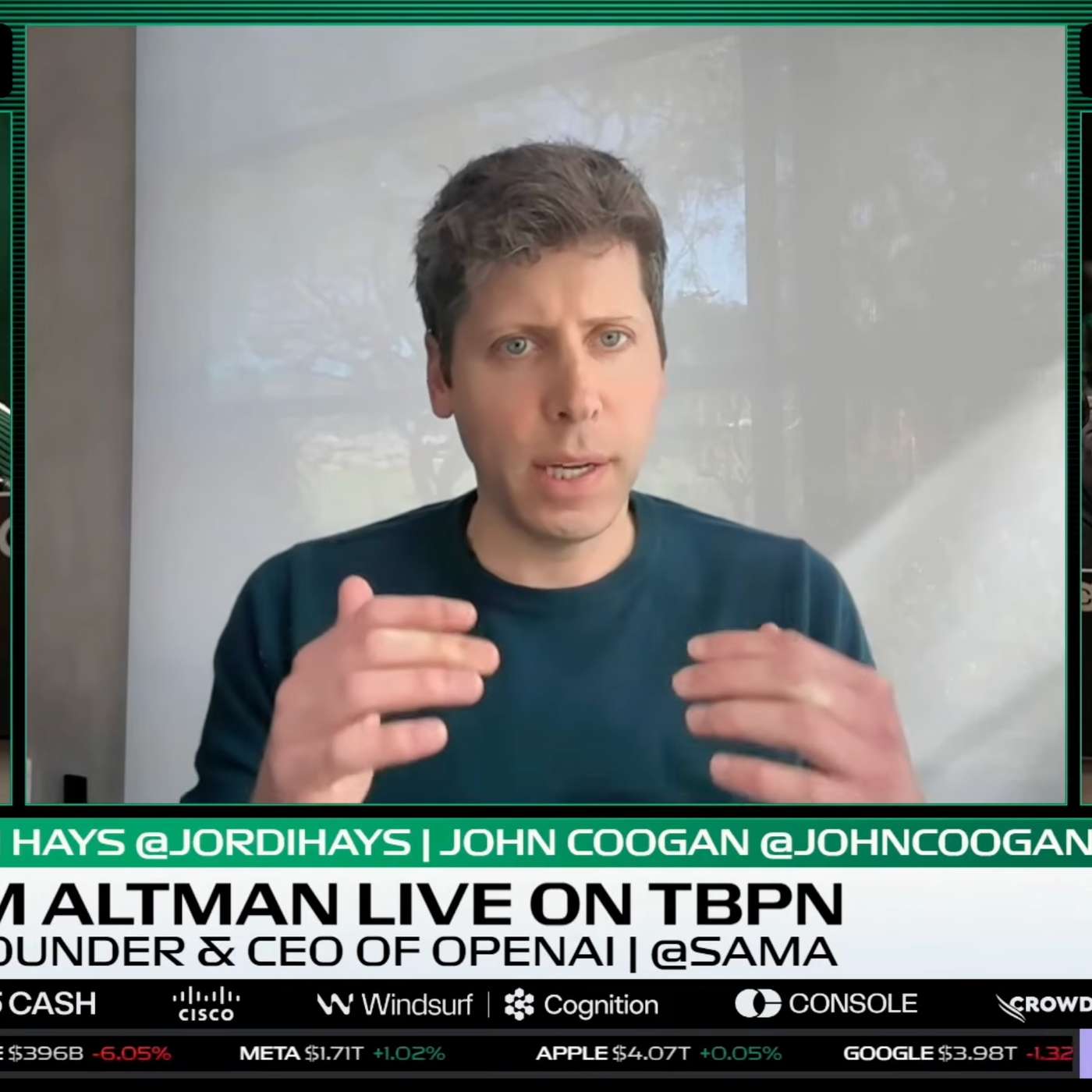
Altman praises projects like OpenClaw, noting their ability to innovate is a direct result of being unconstrained by the lawsuit and data privacy fears that paralyze large companies. He sees them as the "Homebrew Computer Club" for the AI era, pioneering new UX paradigms.
Related Insights
In the emerging AI agent space, open-source projects like 'Claude Bot' are perceived by technical users as more powerful and flexible than their commercial, venture-backed counterparts like Anthropic's 'Cowork'. The open-source community is currently outpacing corporate product development in raw capability.

The collective innovation pace of the VLLM open-source community is so rapid that even well-resourced internal corporate teams cannot keep up. Companies find that maintaining an internal fork or proprietary engine is unsustainable, making adoption of the open standard the only viable long-term strategy to stay on the cutting edge.

Sam Altman believes incumbents who just add AI features to existing products (like search or messaging) will lose to new, AI-native products. He argues true value comes not from summarizing messages, but from creating proactive agents that fundamentally change user workflows from the ground up.

Large AI labs like OpenAI are not always the primary innovators in product experience. Instead, a "supply chain of product ideas" exists where startups first popularize new interfaces, like templated creation. The labs then observe what works and integrate these proven concepts into their own platforms.
The current trend toward closed, proprietary AI systems is a misguided and ultimately ineffective strategy. Ideas and talent circulate regardless of corporate walls. True, defensible innovation is fostered by openness and the rapid exchange of research, not by secrecy.

Sam Altman argues there is a massive "capability overhang" where models are far more powerful than current tools allow users to leverage. He believes the biggest gains will come from improving user interfaces and workflows, not just from increasing raw AI intelligence.
The PC revolution was sparked by thousands of hobbyists experimenting with cheap microprocessors in garages. True innovation waves are distributed and permissionless. Today's AI, dominated by expensive, proprietary models from large incumbents, may stifle this crucial experimentation phase, limiting its revolutionary potential.

To avoid a future where a few companies control AI and hold society hostage, the underlying intelligence layer must be commoditized. This prevents "landlords" of proprietary models from extracting rent and ensures broader access and competition.

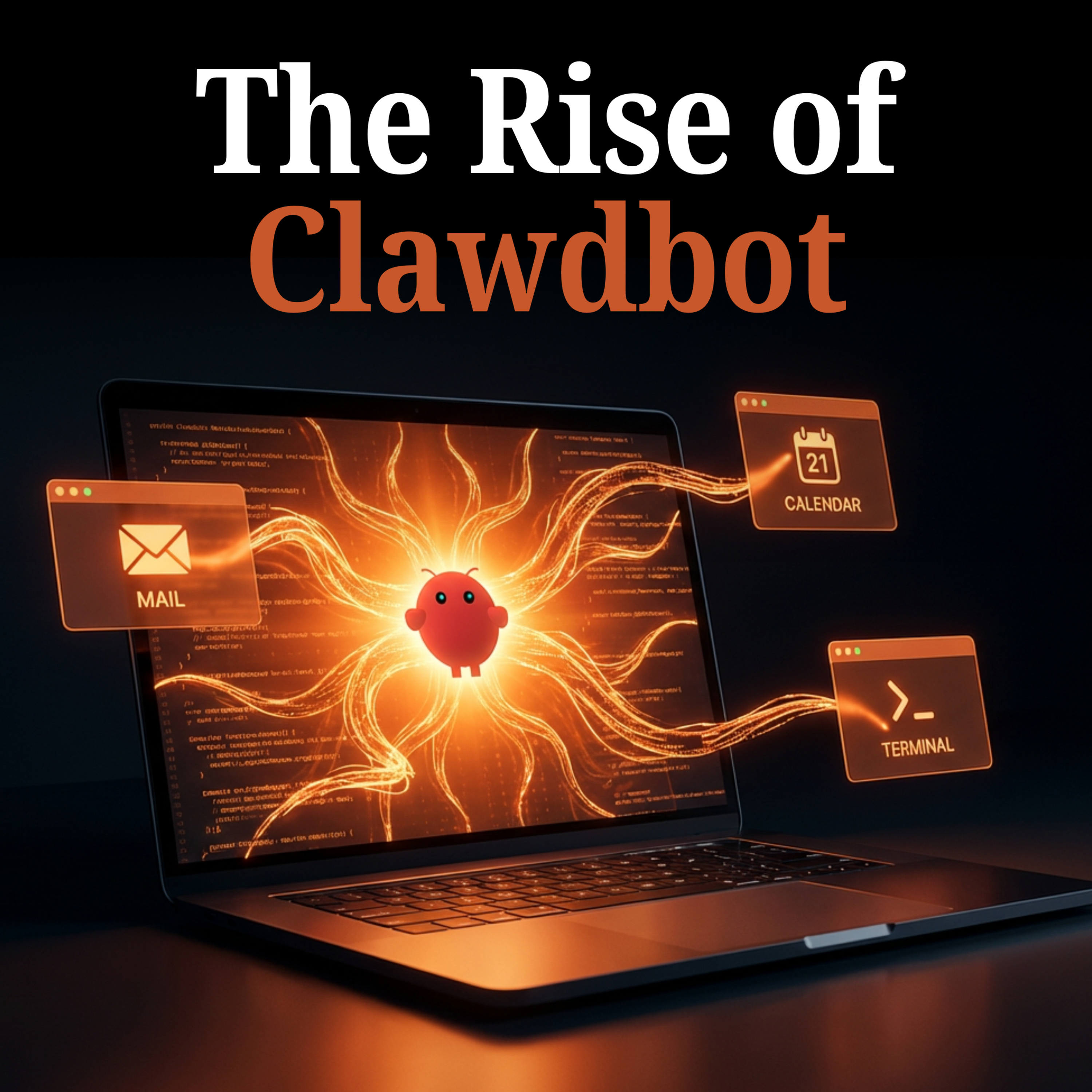
Clawdbot, an open-source project, has rapidly achieved broad, agentic capabilities that large AI labs (like Anthropic with its 'Cowork' feature) are slower to release due to safety, liability, and bureaucratic constraints.
The idea that one company will achieve AGI and dominate is challenged by current trends. The proliferation of powerful, specialized open-source models from global players suggests a future where AI technology is diverse and dispersed, not hoarded by a single entity.
