Get your free personalized podcast brief
We scan new podcasts and send you the top 5 insights daily.
The primary driver for running AI models on local hardware isn't cost savings or privacy, but maintaining control over your proprietary data and models. This avoids vendor lock-in and prevents a third-party company from owning your organization's 'brain'.
Related Insights
The "agentic revolution" will be powered by small, specialized models. Businesses and public sector agencies don't need a cloud-based AI that can do 1,000 tasks; they need an on-premise model fine-tuned for 10-20 specific use cases, driven by cost, privacy, and control requirements.

The future of AI isn't just in the cloud. Personal devices, like Apple's future Macs, will run sophisticated LLMs locally. This enables hyper-personalized, private AI that can index and interact with your local files, photos, and emails without sending sensitive data to third-party servers, fundamentally changing the user experience.
The next major hardware cycle will be driven by user demand for local AI models that run on personal machines, ensuring privacy and control away from corporate or government surveillance. This shift from a purely cloud-centric paradigm will spark massive demand for more powerful personal computers and laptops.

The high cost and data privacy concerns of cloud-based AI APIs are driving a return to on-premise hardware. A single powerful machine like a Mac Studio can run multiple local AI models, offering a faster ROI and greater data control than relying on third-party services.
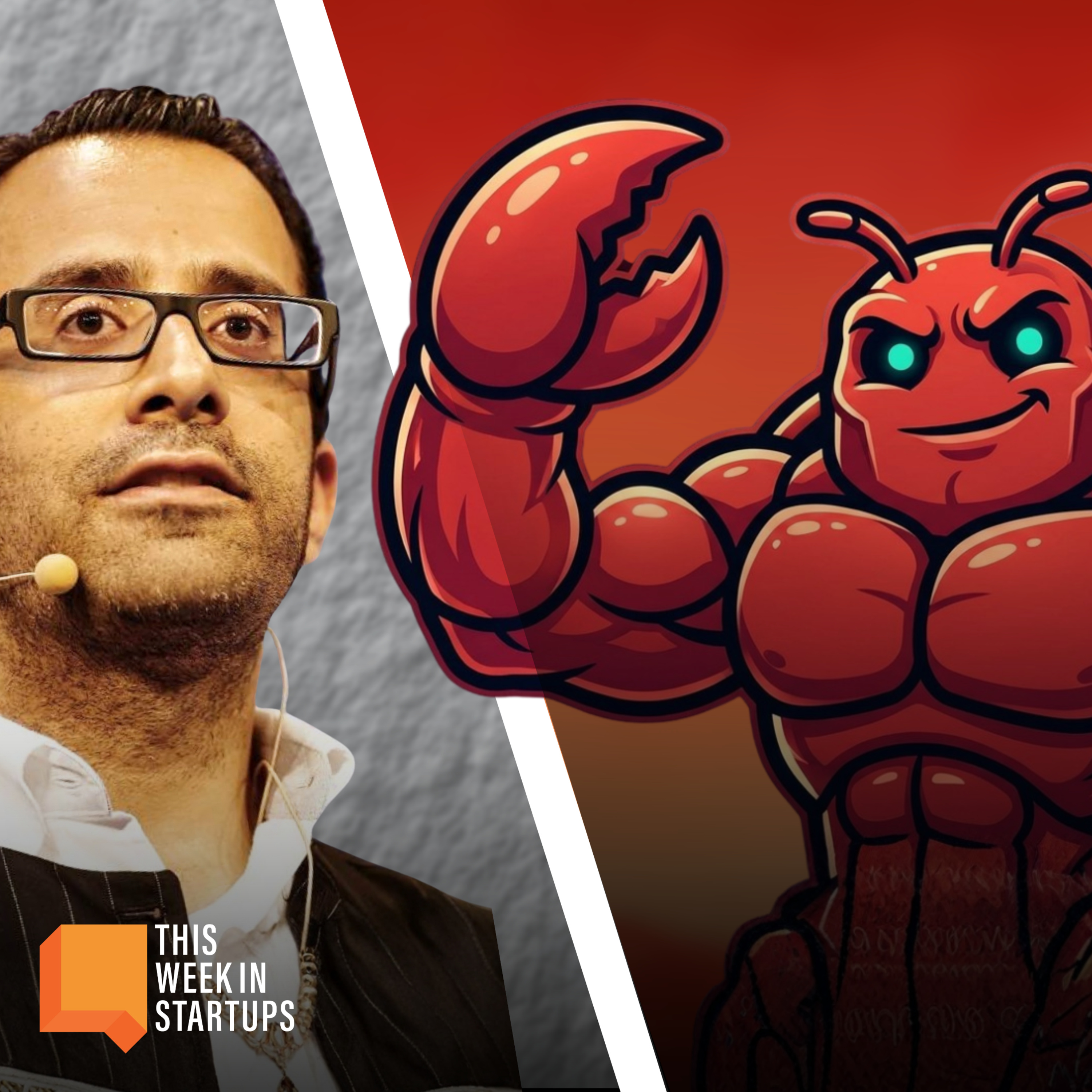
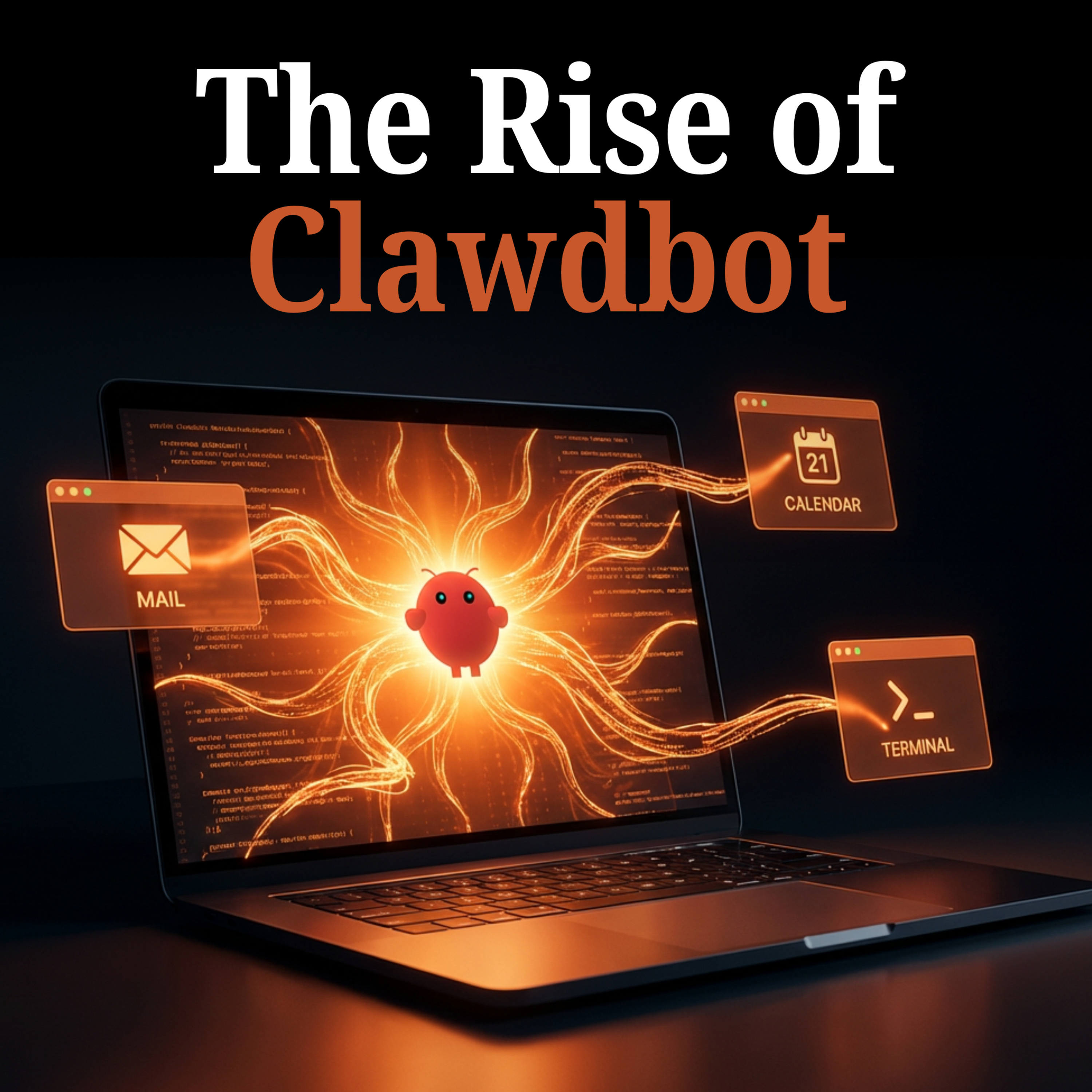
By running on a local machine, Clawdbot allows users to own their data and interaction history. This creates an 'open garden' where they can swap out the underlying AI model (e.g., from Claude to a local one) without losing context or control.
For many companies, 'AI sovereignty' is less about building their own models and more about strategic resilience. It means having multiple model providers to benchmark, avoid vendor lock-in, and ensure continuous access if one service is cut off or becomes too expensive.

If a company and its competitor both ask a generic LLM for strategy, they'll get the same answer, erasing any edge. The only way to generate unique, defensible strategies is by building evolving models trained on a company's own private data.

For AI to function as a "second brain"—synthesizing personal notes, thoughts, and conversations—it needs access to highly sensitive data. This is antithetical to public cloud AI. The solution lies in leveraging private, self-hosted LLMs that protect user sovereignty.

Companies are becoming wary of feeding their unique data and customer queries into third-party LLMs like ChatGPT. The fear is that this trains a potential future competitor. The trend will shift towards running private, open-source models on their own cloud instances to maintain a competitive moat and ensure data privacy.
The concept of "sovereignty" is evolving from data location to model ownership. A company's ultimate competitive moat will be its proprietary foundation model, which embeds tacit knowledge and institutional memory, making the firm more efficient than the open market.