Get your free personalized podcast brief
We scan new podcasts and send you the top 5 insights daily.
When faced with profound trauma like a loved one's terminal diagnosis, the act of writing becomes a lifeline. It is not about crafting a narrative for later but about processing overwhelming events as they unfold, creating a way to survive the horror.

Related Insights
Trauma is not an objective property of an event but a subjective experience created by the relationship between a present situation and past memories. Because experience is a combination of sensory input and remembered past, changing the meaning or narrative of past events can change the experience of trauma itself.

For individuals whose symptoms have been repeatedly dismissed, a serious diagnosis can feel like a relief. It provides validation that their suffering is real and offers a concrete problem to address, overriding the initial terror of the illness itself.

Receiving a difficult diagnosis like FTD provides a framework that can actually reduce a caregiver's stress. It validates their gut feeling that something was wrong, explains past confusing behaviors, and allows them to separate the person from the disease. This clarity transforms chaos into an actionable, albeit difficult, path forward.

Artists can become emotionally detached from their own work over time. Experiencing profound personal hardship, while devastating, can be a 'gift' that forces a reconnection with the visceral emotions their music explores. This allows them to see their art through the fans' eyes again, understanding the catharsis their audience experiences on a much deeper level.

Matthew McConaughey reveals a paradoxical use of writing. He initially journaled "so I could forget," clearing his mind. Decades later, he published those same entries to "remember" and reconnect with his core beliefs, using the process as a form of self-therapy to combat his own doubt.

Journaling is not just for self-reflection. The act of privately untangling fears and emotions on the page externalizes them, making it easier to name them and then discuss them openly with others. This private practice is a powerful tool for improving interpersonal communication.
Psychologists can predict the severity of a person's depressive and anxious symptoms not by the content of their trauma, but by the form of their narrative. Recurring, stuck narratives, or what is called the "same old story," correlate with poorer mental health outcomes.
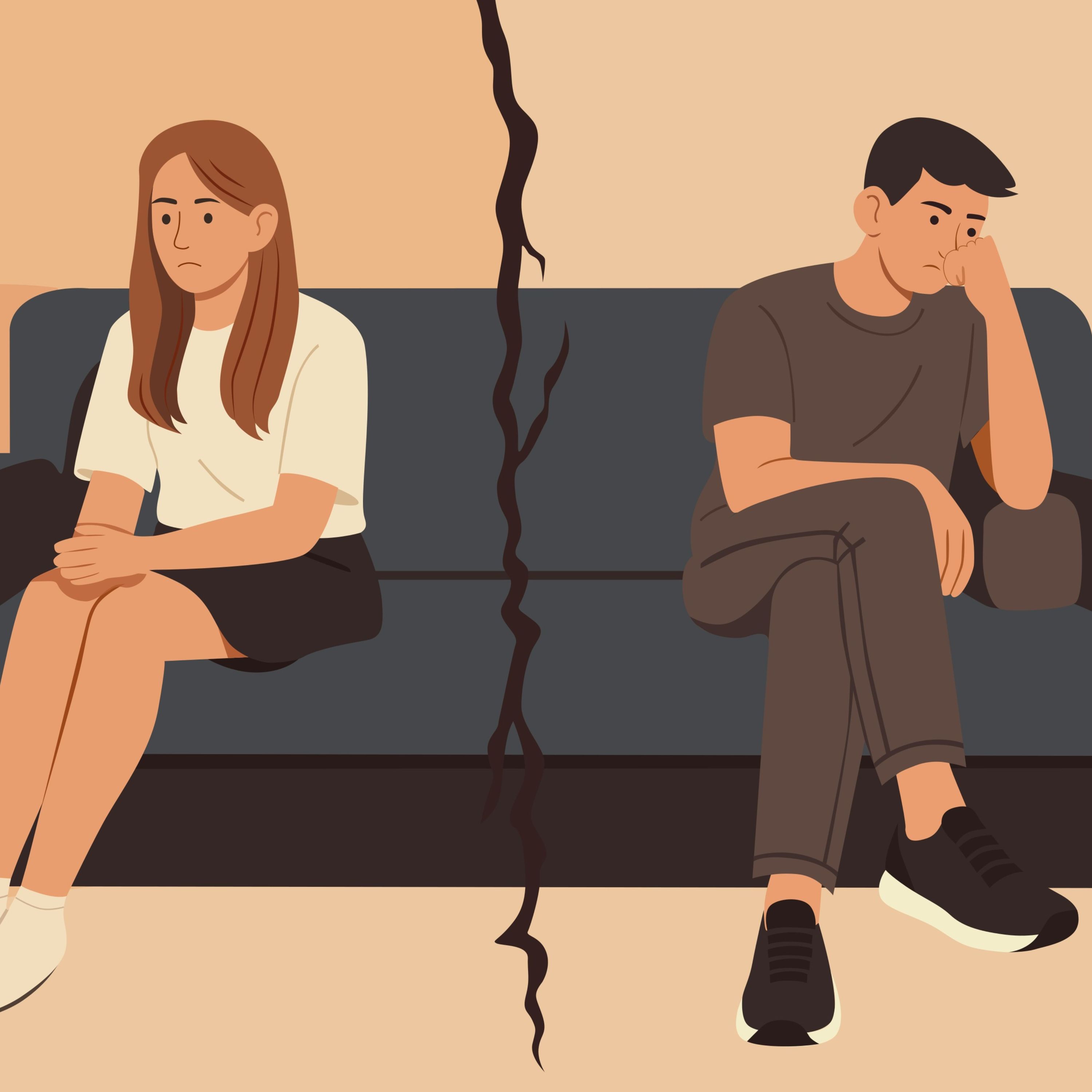
As creators become successful, their comfortable lives can create a 'relatability crisis,' severing their connection to the struggles that fuel their art. To combat this, they must consciously 'pick open some scabs' from their past. Revisiting old heartbreaks, failures, and traumas becomes a necessary tool for finding authentic, resonant material when current life lacks friction.
The meaning of an event is not fixed but is shaped by its narrative framing. As both the author and protagonist of our life stories, we can change an experience's impact by altering its "chapter breaks." Ending a story at a low point creates a negative narrative, while extending it to include later growth creates a redemptive one.

In his darkest moment, Anthony Trucks' friend told him, 'I thought I'd lost a hero.' This external perspective—that he was unknowingly inspiring others—planted a seed of purpose. It provided a powerful reason to live that existed outside of his own internal pain and despair.