Get your free personalized podcast brief
We scan new podcasts and send you the top 5 insights daily.
A current US military doctrine involves intentionally starting conflicts with limited force, knowing the resulting instability will spread to allies. This compels them to "share the burden" of US national security interests, effectively forcing their involvement in conflicts they might otherwise avoid.

Related Insights
Official White House and Department of War documents outline a "burden sharing" doctrine. This policy dictates that when the U.S. acts in its own interest, allies must bear the consequential burdens, including military casualties and economic fallout. Israel is explicitly named as the model for this approach.

America's unpredictable, "law of the jungle" approach doesn't embolden adversaries like Russia or China, who already operate this way. Instead, it forces traditional allies (Canada, Europe, Japan) to hedge their bets, decouple their interests, and reduce reliance on an unreliable United States for upholding international law.

US agencies and NATO fund a network of NGOs that act as a cohesive "swarm." This swarm delivers threats of political instability or economic ruin to foreign leaders, effectively coercing them to align with US interests without direct government intervention.

The US is moving from a global deterrence posture to concentrating massive force for specific operations, as seen with Iran. This strategy denudes other theaters of critical assets, creating windows of opportunity for adversaries like China while allies are left exposed.

Trump's confrontational stance with allies isn't just chaos; it's a calculated strategy based on the reality that they have nowhere else to go. The U.S. can troll and pressure nations like Canada and European countries, knowing they won't realistically align with China, ultimately forcing them to increase their own defense commitments.

Nations like the US and USSR prolong involvement in failed conflicts like Afghanistan primarily due to "reputational risk." The goal shifts from achieving the original mission to avoiding the perception of failure, creating an endless commitment where objectives continually morph.

Stephen Walt defines Trump's foreign policy as 'predatory hegemony,' a unique strategy where a dominant power uses its leverage to extract concessions and tribute from everyone, including long-standing allies. This departs from traditional great power politics, which is typically predatory only toward rivals.

The Trump administration demands allies take more responsibility for regional security. Yet when Japan's leader did so regarding Taiwan and faced Chinese pressure, the U.S. prioritized its direct relationship with Beijing, effectively hanging a key ally "out to dry" and contradicting its own strategic doctrine.
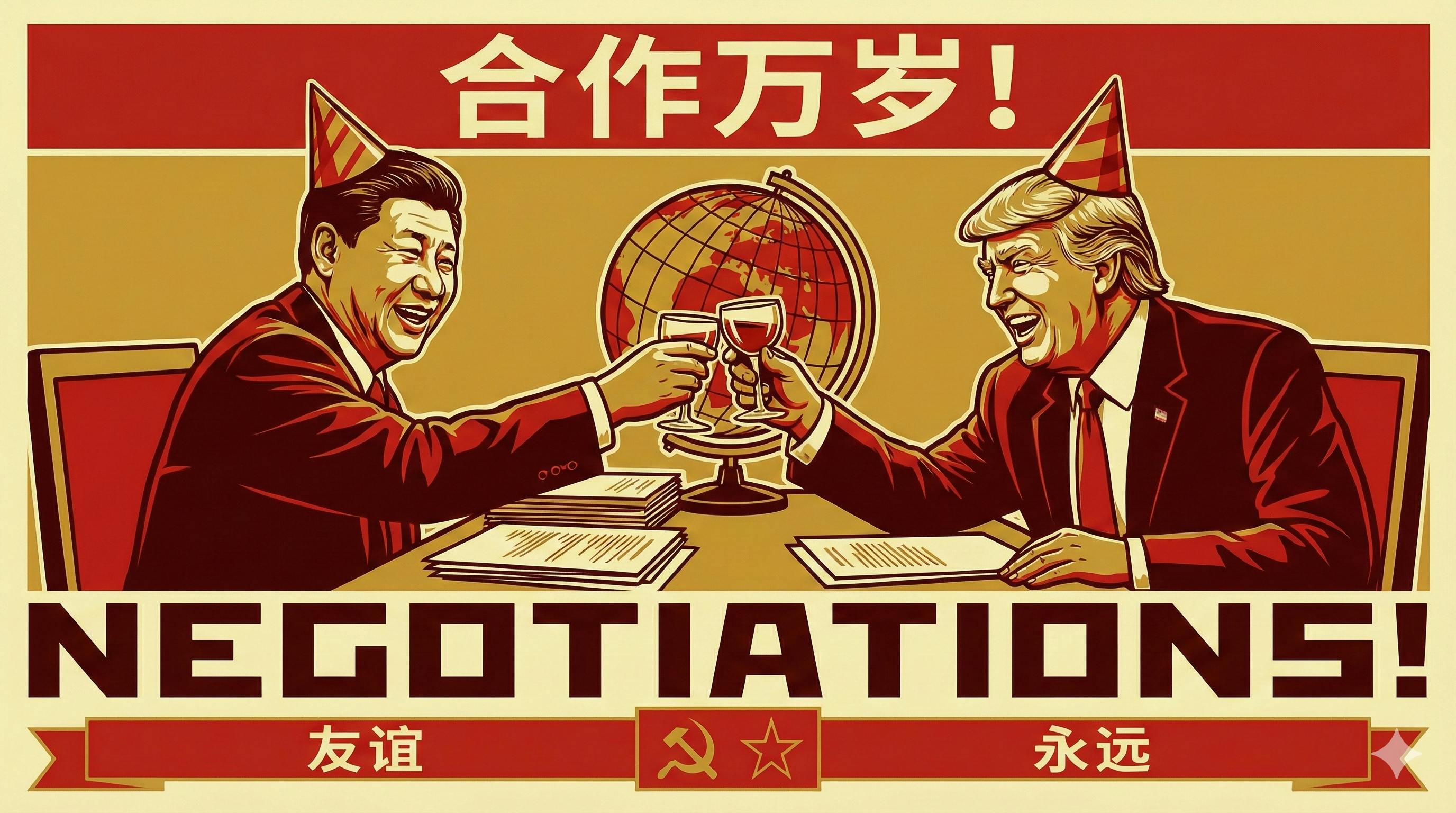
The backbone of NATO is not just US military might, but European trust in it. A dispute initiated by the US against allies is more existentially dangerous than past internal conflicts or external threats because it directly undermines the core assumption of mutual defense.
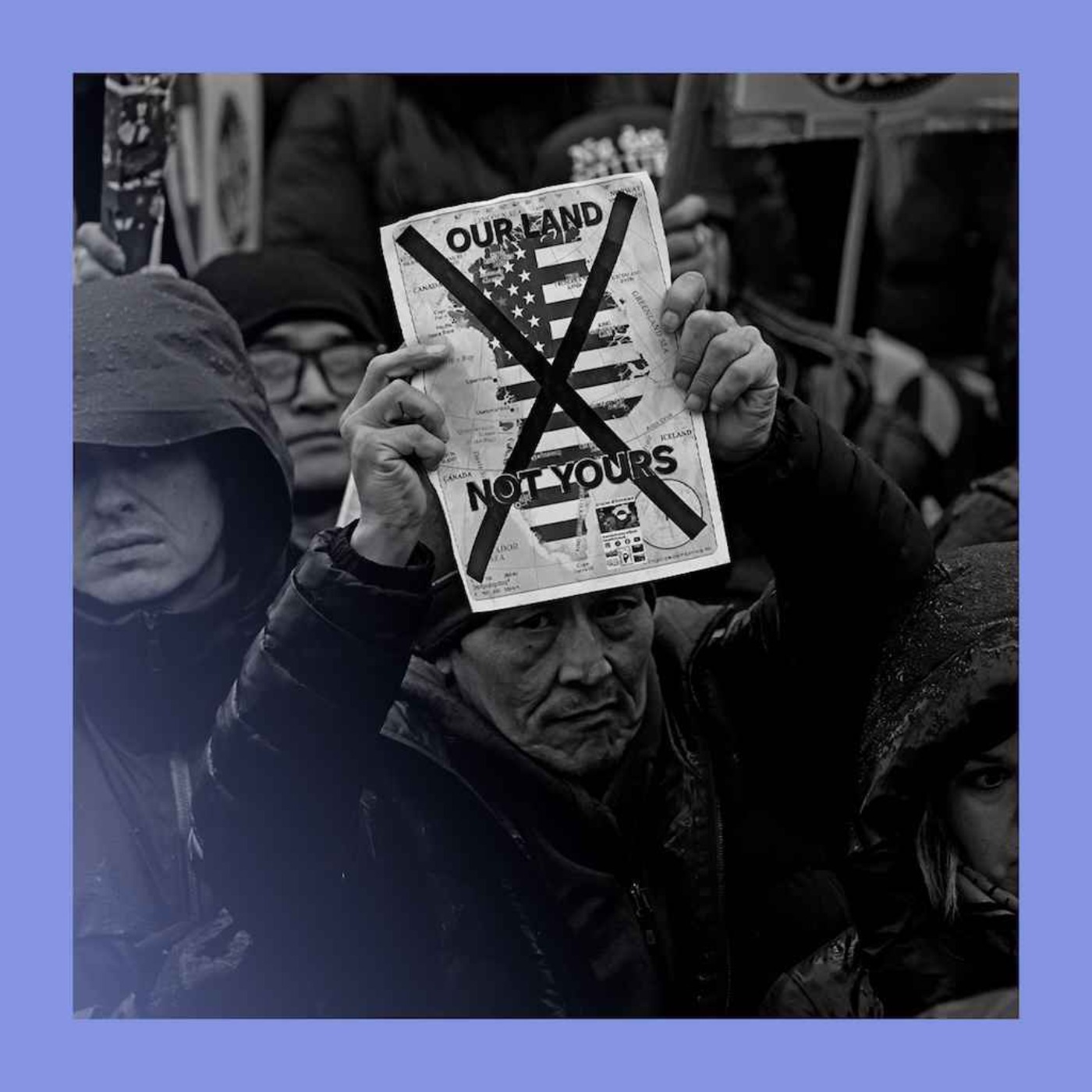
A cynical but plausible US strategy is to provoke conflicts, like with Iran, and then withdraw. This forces regional allies such as Saudi Arabia and the UAE to manage the fallout by purchasing billions in American weaponry, creating a forced market for the defense industry.