Get your free personalized podcast brief
We scan new podcasts and send you the top 5 insights daily.
Official White House and Department of War documents outline a "burden sharing" doctrine. This policy dictates that when the U.S. acts in its own interest, allies must bear the consequential burdens, including military casualties and economic fallout. Israel is explicitly named as the model for this approach.

Related Insights
Major European allies like the UK and France face a "lethal problem" where raising defense spending to meet US-led targets could trigger a bond market revolt. This fiscal constraint, coupled with voter opposition to tax hikes, makes meeting these commitments politically and economically untenable.

Luckey argues that US foreign policy is shifting away from direct military intervention. The new, more effective strategy is to arm allies, turning them into "prickly porcupines" that are difficult to attack. This approach maintains US influence and economic benefits while avoiding the political and human cost of deploying troops.
![Palmer Luckey - Inventing the Future of Defense - [Invest Like the Best, CLASSICS] thumbnail](https://megaphone.imgix.net/podcasts/f7c9aa8e-cb8d-11f0-828e-0b281809c10a/image/cc07f91ec47f95abbde771a4956b37b7.jpg?ixlib=rails-4.3.1&max-w=3000&max-h=3000&fit=crop&auto=format,compress)
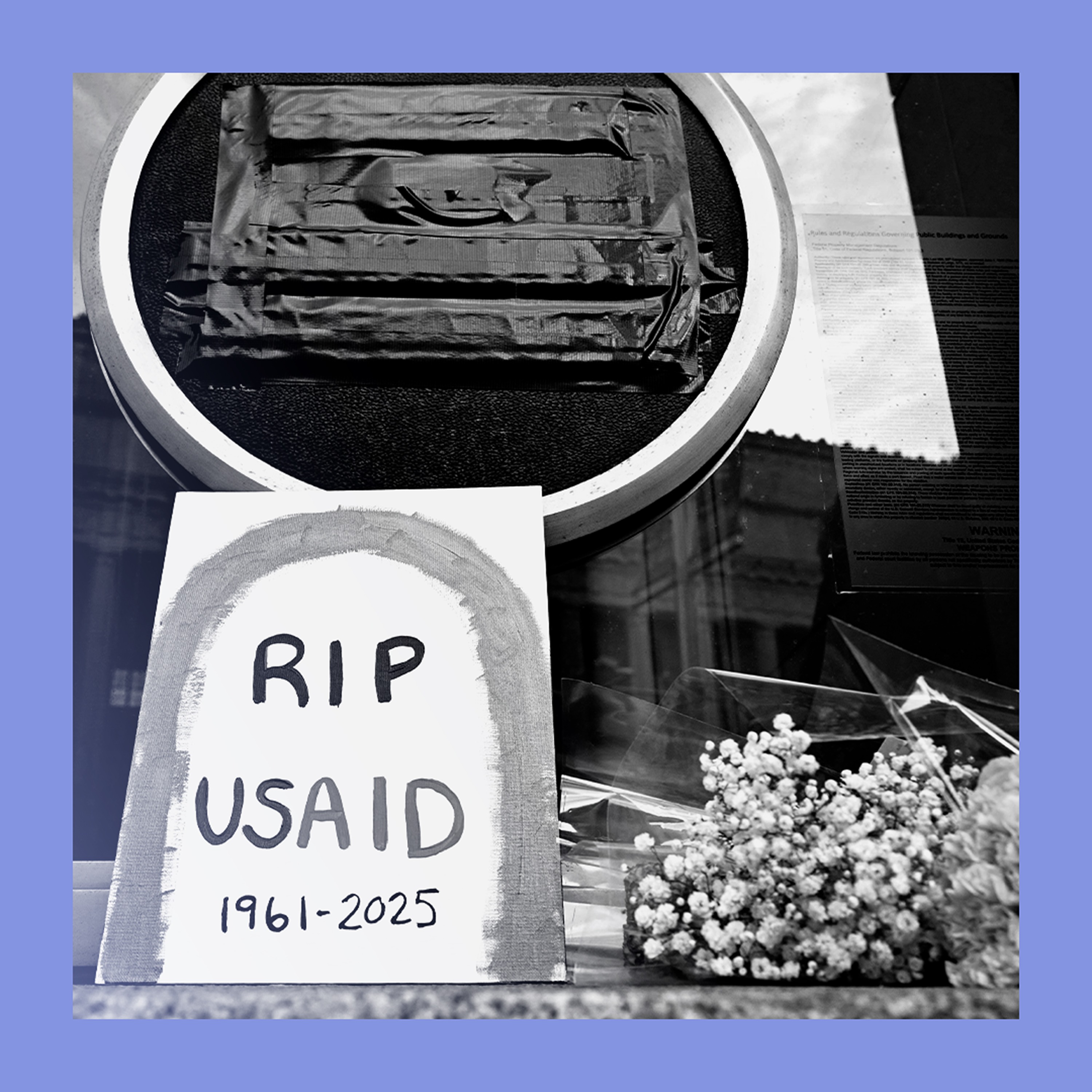
Despite dismantling traditional aid programs to save taxpayer money, Trump's new strategy of bailing out allies, countering China, and securing supply chains is projected to be incredibly expensive. This new approach of weaponized aid could ultimately exceed previous USAID spending levels, contradicting its cost-saving premise.
While currently aligned, the long-term interests of Israel and the US in a war with Iran could split. Israel seeks total elimination of Iran's missile threat, implying a prolonged conflict. The US, however, may have less tolerance for a drawn-out war due to concerns about its impact on global energy prices and the economy.
Trump's confrontational stance with allies isn't just chaos; it's a calculated strategy based on the reality that they have nowhere else to go. The U.S. can troll and pressure nations like Canada and European countries, knowing they won't realistically align with China, ultimately forcing them to increase their own defense commitments.

The long-standing Monroe Doctrine is being superseded by a "Trump Doctrine." This new worldview prioritizes hemispheric dominance, unilateralism, and proactive intervention for specific economic and security interests (e.g., controlling immigration, securing vital assets), fundamentally changing how America views its sphere of influence.
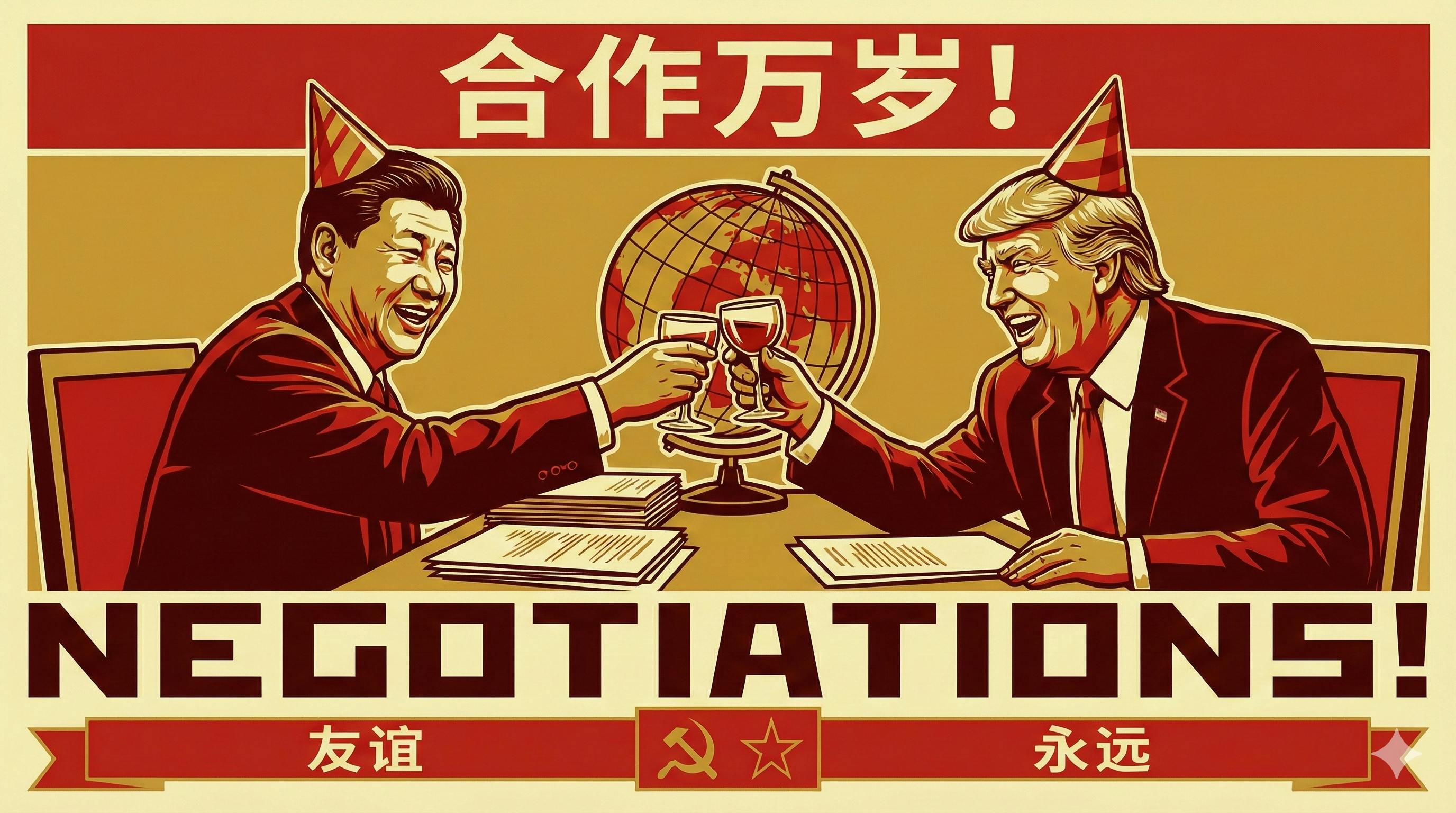
Stephen Walt defines Trump's foreign policy as 'predatory hegemony,' a unique strategy where a dominant power uses its leverage to extract concessions and tribute from everyone, including long-standing allies. This departs from traditional great power politics, which is typically predatory only toward rivals.

The Trump administration demands allies take more responsibility for regional security. Yet when Japan's leader did so regarding Taiwan and faced Chinese pressure, the U.S. prioritized its direct relationship with Beijing, effectively hanging a key ally "out to dry" and contradicting its own strategic doctrine.
By forgoing consultation with allies, Congress, or the UN, the Trump administration frames its military action as ad hoc rather than a defense of international rules. This erodes legitimacy and alienates key European partners who prioritize a rules-based system, contrasting sharply with the coalition-building of past interventions like the Iraq War.

A cynical but plausible US strategy is to provoke conflicts, like with Iran, and then withdraw. This forces regional allies such as Saudi Arabia and the UAE to manage the fallout by purchasing billions in American weaponry, creating a forced market for the defense industry.
