Get your free personalized podcast brief
We scan new podcasts and send you the top 5 insights daily.
A cynical but plausible US strategy is to provoke conflicts, like with Iran, and then withdraw. This forces regional allies such as Saudi Arabia and the UAE to manage the fallout by purchasing billions in American weaponry, creating a forced market for the defense industry.

Related Insights
Luckey argues that US foreign policy is shifting away from direct military intervention. The new, more effective strategy is to arm allies, turning them into "prickly porcupines" that are difficult to attack. This approach maintains US influence and economic benefits while avoiding the political and human cost of deploying troops.
![Palmer Luckey - Inventing the Future of Defense - [Invest Like the Best, CLASSICS] thumbnail](https://megaphone.imgix.net/podcasts/f7c9aa8e-cb8d-11f0-828e-0b281809c10a/image/cc07f91ec47f95abbde771a4956b37b7.jpg?ixlib=rails-4.3.1&max-w=3000&max-h=3000&fit=crop&auto=format,compress)
Modern multinationals avoid the high cost and risk of securing foreign markets themselves. Instead, they 'draft' behind the U.S. government, which uses its diplomatic and military power to create favorable conditions. This effectively socializes geopolitical risk for corporations while they privatize the profits.

Unlike past administrations that used pretexts like 'democracy,' the Trump administration openly states its transactional goals, such as seizing oil. This 'criming in plain sight' approach is merely an overt version of historical covert US actions in regions like Latin America.

Instead of sending aid, the US could profit from global conflicts by becoming the primary manufacturer and seller of weapons. This approach would re-industrialize the nation, create high-paying jobs in the military-industrial complex, and generate revenue without direct military intervention or sending cash abroad.

The US is moving from a global deterrence posture to concentrating massive force for specific operations, as seen with Iran. This strategy denudes other theaters of critical assets, creating windows of opportunity for adversaries like China while allies are left exposed.
The US decision to sell its most advanced fighter jets to Saudi Arabia marks a significant shift in regional military dynamics. This move worries Israel, which relies on its technological military edge to maintain its status as a regional power, signaling a potential realignment of power in the Middle East.
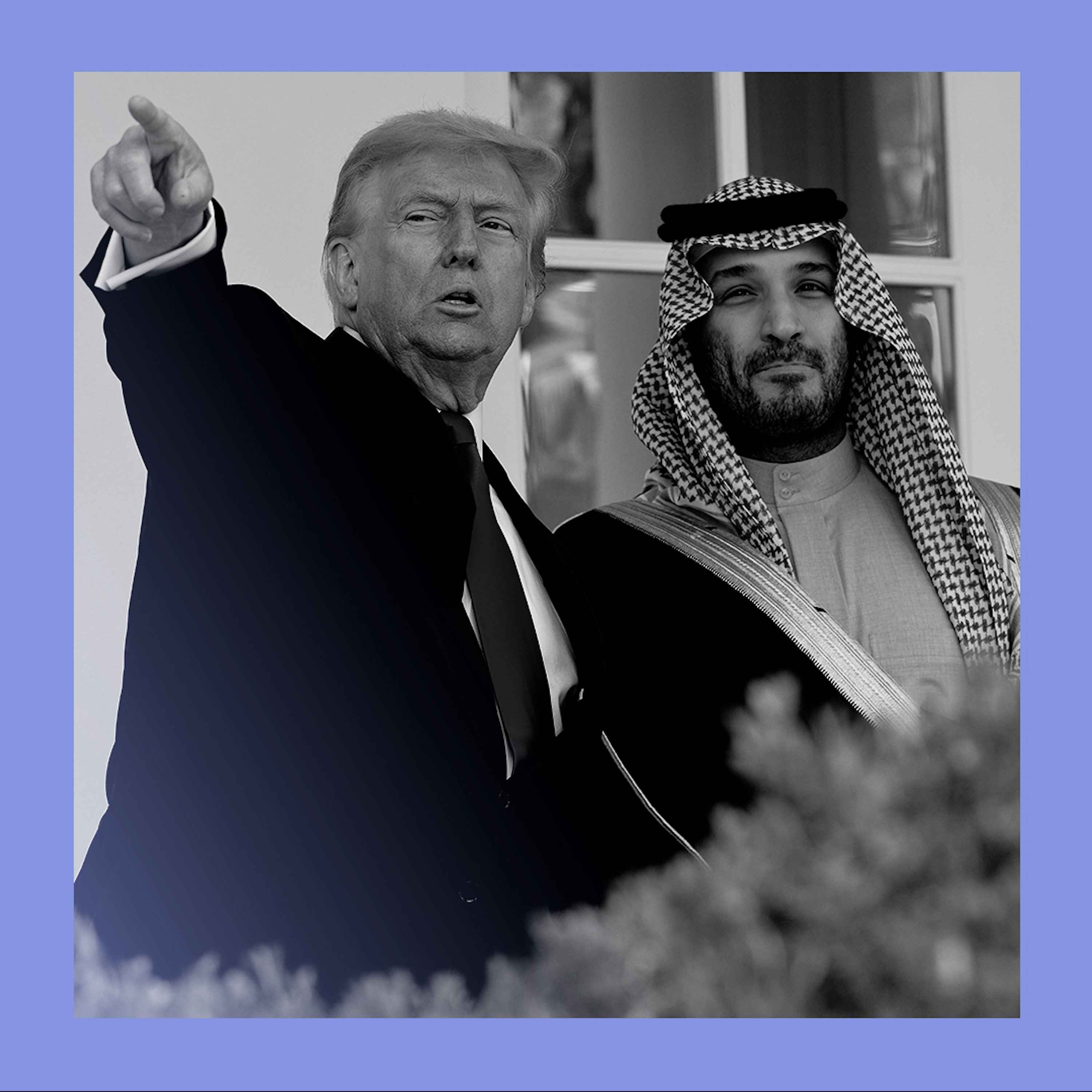
The public threats of a military strike against Iran may be a high-stakes negotiating tactic, consistent with Trump's style of creating chaos before seeking a deal. The goal is likely not war, which would be politically damaging, but to force Iran into economic concessions or a new agreement on US terms.

The personal and political rivalry between Saudi Arabia and the UAE is not contained to the Gulf. It is actively destabilizing other volatile regions as the two nations back opposing sides. This turns countries like Yemen, Syria, Ethiopia, and Eritrea into proxy battlegrounds, escalating local conflicts.

Trump's confrontational stance with allies isn't just chaos; it's a calculated strategy based on the reality that they have nowhere else to go. The U.S. can troll and pressure nations like Canada and European countries, knowing they won't realistically align with China, ultimately forcing them to increase their own defense commitments.

Contrary to the isolationist interpretation, "America First" under Trump is a doctrine of pragmatic, and often aggressive, foreign intervention. It justifies actions like controlling another country's resources if they are deemed critical to American national security or economic stability.
