Get your free personalized podcast brief
We scan new podcasts and send you the top 5 insights daily.
The practice of using expensive interceptors, like $4 million Patriot missiles, to destroy cheap drones creates a severe economic imbalance. This cost-imposition strategy by adversaries can bankrupt a nation's defense budget long before its military is defeated, revealing a critical flaw in current air defense doctrine.

Related Insights
Focusing on the cost of a single cheap drone versus an expensive interceptor missile is a flawed analysis. It ignores the total operational cost (fuel, personnel), the immense value of the asset being protected (e.g., a warship), and the catastrophic cost of mission failure.

The conflict highlights a critical economic vulnerability in US defense strategy. The US is forced to use multi-million dollar missiles to counter Iranian drones that cost only $20,000. This massive cost imbalance demonstrates the power of asymmetric warfare and a significant strategic inefficiency for the US military.

Low-cost, mass-produced drones create strategic advantage by forcing a disproportionately expensive defensive response ($4M missiles for $20K drones). This 'weaponized financial asymmetry' can extend conflicts by draining an opponent's budget, even if the drones are successfully intercepted.

The US faces a severe economic disadvantage in the Middle East conflict. Iran uses $30,000 drones that can disable $160 million tankers, while US countermeasures involve $4 million Patriot missiles. This cost imbalance allows Iran to inflict massive economic damage cheaply, posing a significant strategic threat.

Russia's use of cheap drones creates a significant economic and strategic challenge for NATO. The current defensive approach is financially unsustainable, as seen when Poland used a million-dollar missile on a cheap drone. This asymmetry is forcing Europe to develop new, low-cost interception methods, such as a continent-wide "drone wall".
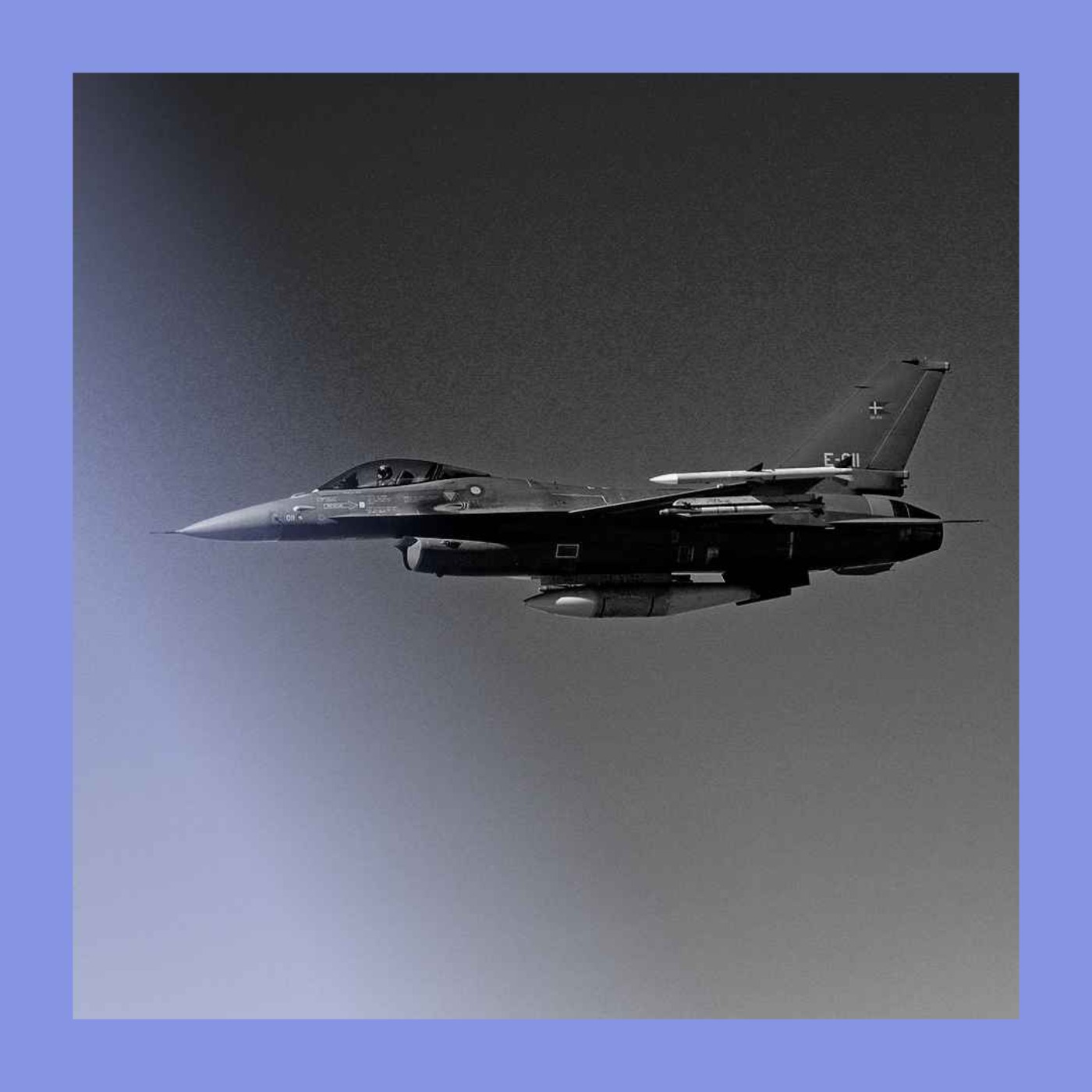
Nations like Iran and Russia deploy vast numbers of cheap drones (around $55,000 each), forcing defenders to use multi-million dollar missiles. This creates a severe cost imbalance, making traditional, high-end air defense economically unsustainable over time.

Modern asymmetric warfare is less about ground skirmishes and more about economic attrition through missile technology. Adversaries use extremely cheap drones and mines to exhaust the multi-million-dollar missile defense systems of better-equipped powers, creating a lopsided cost exchange.
The key takeaway from conflicts in Ukraine and Iran is the severe cost imbalance created by drones. Cheap, disposable drones can threaten multi-million dollar assets, forcing a strategic shift toward developing low-cost, mass-produced "attributable weapons" to level the economic playing field.

The conflict with Iran highlights a new reality in warfare. Inexpensive, easily produced drones create an asymmetrical threat, as defense systems are vastly more expensive to deploy per incident, making traditional defense economically unsustainable.

The Iran conflict reveals a critical flaw in US defense strategy: using multi-million-dollar missiles to intercept $35,000 drones. This economically unsustainable exchange rate highlights an urgent need for advanced, low-cost defensive technologies.
