Get your free personalized podcast brief
We scan new podcasts and send you the top 5 insights daily.
To counter the high cost of traditional interceptors, Ukraine has developed a strategy of using cheap, fast FPV (first-person view) drones to destroy incoming Shaheed drones. The newest versions use AI for autonomous final-stage guidance, creating a new paradigm in air defense.

Related Insights
The conflict in Ukraine exposed the vulnerability of expensive, "exquisite" military platforms (like tanks) to inexpensive technologies (like drones). This has shifted defense priorities toward cheap, mass-producible, "attritable" systems. This fundamental change in product and economics creates a massive opportunity for startups to innovate outside the traditional defense prime model.

The conflict highlights a critical economic vulnerability in US defense strategy. The US is forced to use multi-million dollar missiles to counter Iranian drones that cost only $20,000. This massive cost imbalance demonstrates the power of asymmetric warfare and a significant strategic inefficiency for the US military.

Low-cost, mass-produced drones create strategic advantage by forcing a disproportionately expensive defensive response ($4M missiles for $20K drones). This 'weaponized financial asymmetry' can extend conflicts by draining an opponent's budget, even if the drones are successfully intercepted.

The intense signal jamming by Russia in Ukraine makes remotely piloted drones ineffective in the final phase of an attack. This has created a tactical necessity for drones that can autonomously complete their mission after losing their data link, accelerating the development of practical, on-board AI for target engagement.

Russia's use of cheap drones creates a significant economic and strategic challenge for NATO. The current defensive approach is financially unsustainable, as seen when Poland used a million-dollar missile on a cheap drone. This asymmetry is forcing Europe to develop new, low-cost interception methods, such as a continent-wide "drone wall".
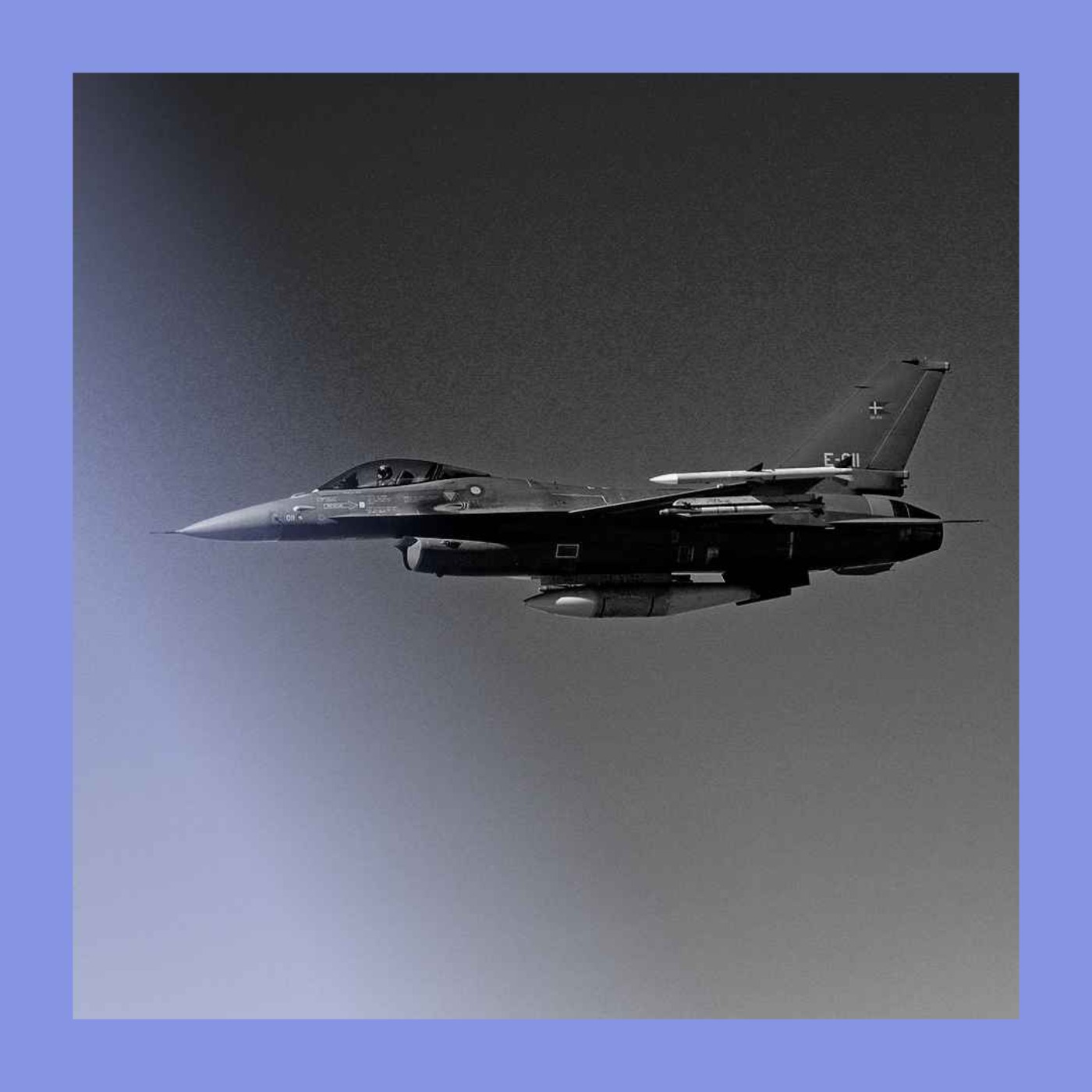
Nations like Iran and Russia deploy vast numbers of cheap drones (around $55,000 each), forcing defenders to use multi-million dollar missiles. This creates a severe cost imbalance, making traditional, high-end air defense economically unsustainable over time.
Instead of slow, bureaucratic rearmament, Germany could apply an 'Operation Warp Speed' model to its defense industry. By mass-producing Ukraine’s innovative drone designs at scale, Germany would not only create a powerful deterrent against Russia but also trigger its own economic recovery, a decisive strategic win-win.

Ukraine's unique experience defending against Shaheed drones has become a valuable diplomatic asset. President Zelensky is offering this specialized knowledge to Gulf nations and Western partners in a direct exchange for investment in its defense industry and crucial military aid.
The effectiveness of Ukrainian defense technology comes from its ability to dramatically lower the 'cost per shot' by orders of magnitude compared to legacy systems. This demonstrates that financial efficiency and adaptability, not just advanced features, are decisive on the modern battlefield.

The war in Ukraine has evolved from a traditional territorial conflict into a "robot war," with drones dominating the front lines. This real-world battlefield is accelerating innovation at an "unbelievable" pace, driving new solutions for secure communications and autonomous targeting, providing critical lessons for US drone strategy.