Get your free personalized podcast brief
We scan new podcasts and send you the top 5 insights daily.
Widespread emigration of young people, who are most likely to protest, has left Cuba with an aging population. This demographic shift naturally suppresses dissent and makes a popular uprising against the regime less likely, regardless of the severity of economic hardships.

Related Insights
Widespread suffering alone doesn't trigger a revolution. Historically, successful uprisings require a politically savvy, well-organized group with a clear agenda and influential leadership. Disparate and unorganized populations, no matter how desperate, tend to see their energy dissipate without causing systemic change.

China's narrative of national success is contradicted by a significant diaspora of its citizens—from millionaires and creatives to ordinary workers. This flight of human capital seeking stability and freedom abroad signals a fundamental precariousness within the authoritarian system that pure economic growth cannot solve.

The transition to a "minority majority" country, where the formerly dominant ethnic group falls below 50% of the population, is a powerful historical indicator of civil war. This pattern is not unique to the US or white populations; it has been observed globally, including in India, suggesting a deep-seated human response to demographic shifts.
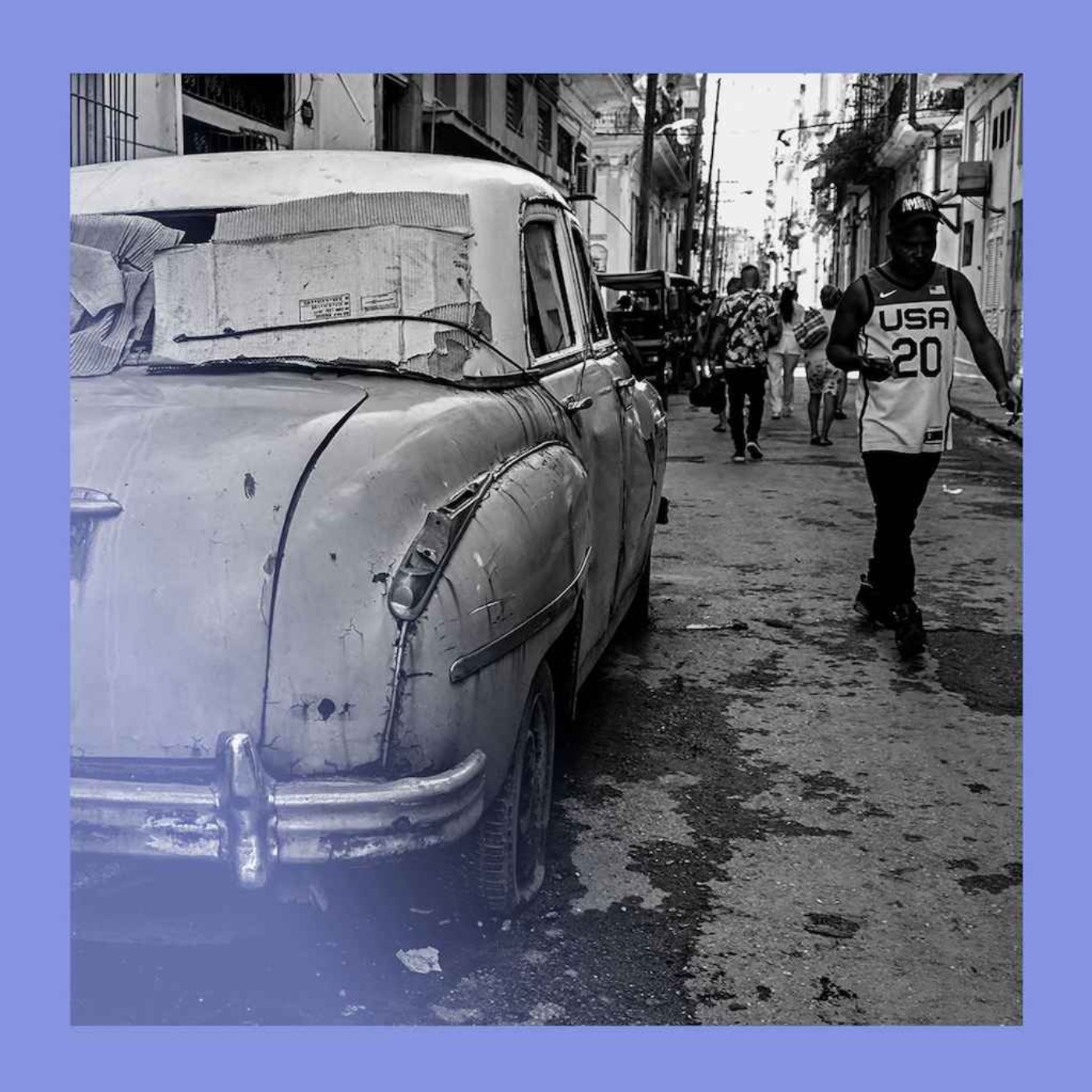
Despite facing extreme economic scarcity, crippling power outages, and decades of US pressure, the Cuban government's collapse is not imminent. Analysts warn against underestimating the regime's staying power, citing its highly disciplined organization and a core of revolutionaries who have defied predictions of their demise.

The Islamic regime's support base is limited to an aging demographic that participated in or benefited from the 1979 revolution. The country's overwhelmingly young population, a result of a post-revolution population boom, bears the brunt of the regime's failures and is staunchly opposed to it.

Beyond its widely reported economic woes, Cuba is experiencing a severe demographic crisis. A leading demographer estimates that nearly a quarter of the entire population has emigrated in just the last five to six years, representing a profound brain drain and a challenge to the nation's future stability.
The US strategy in Cuba may not be to oust the Castro family entirely, but to replace the current president while leaving the core power structure and even Castro relatives intact. This mirrors the approach in Venezuela, suggesting a pragmatic rather than purely ideological goal.
A key element of Venezuela's economic paralysis is that the country's vast human capital—the eight million people who left—will not return without fundamental changes. The regime's survival depends partly on this stalemate, as a mass return of talent and investment requires a restoration of freedom, safety, and property rights that would threaten its power.

Political actions may be accelerating the process, but the collapse of globalization was inevitable. The primary driver is a global demographic picture where aging populations and declining birth rates mean there are not enough young people to sustain the consumption required for global trade.

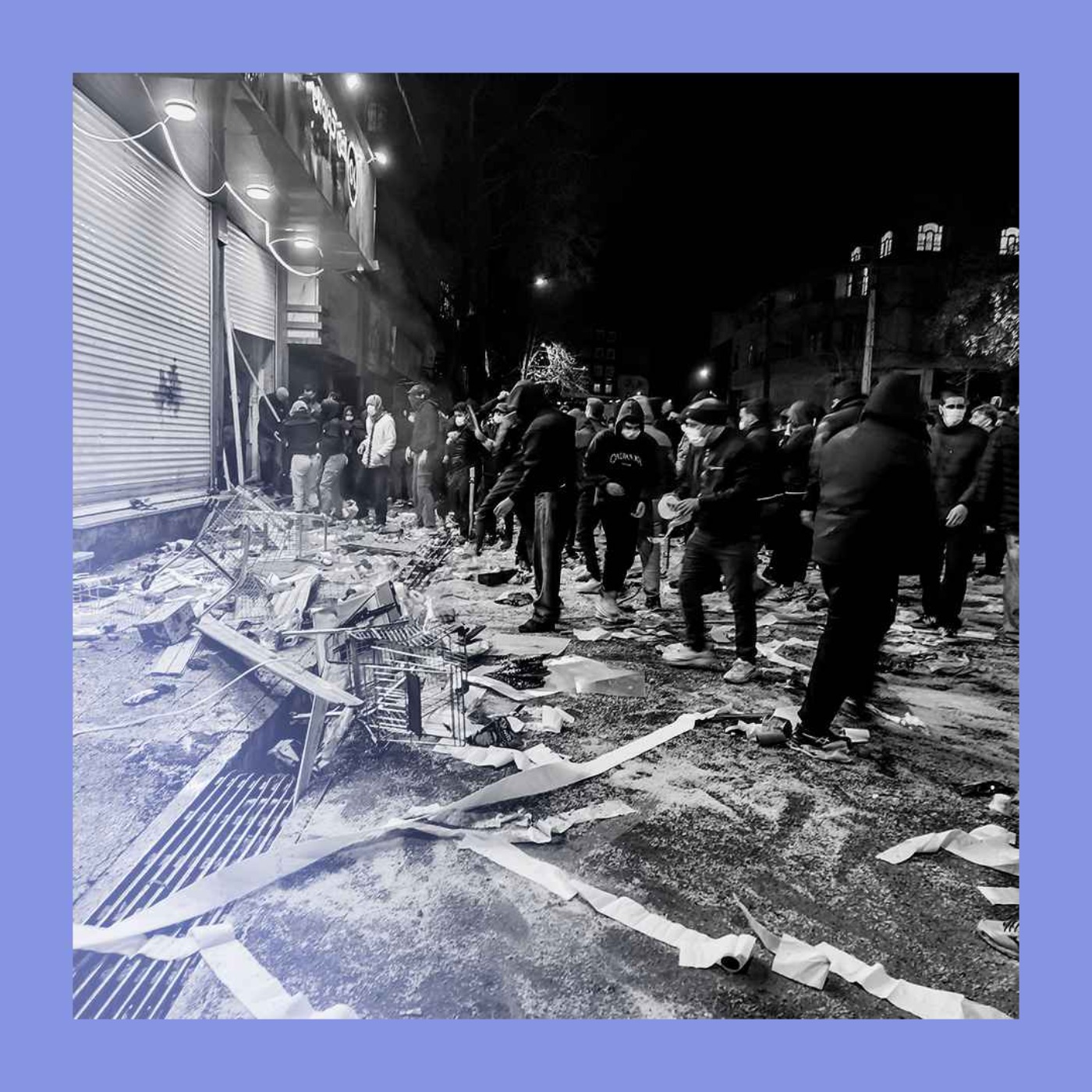
Unlike the 2022 protests led by middle-class women over social freedoms, the current unrest is driven by jobless young men—a traditionally pro-regime group—angry about economic collapse. This shift in demographics and motivation makes the government's usual appeasement tactics less effective.