Get your free personalized podcast brief
We scan new podcasts and send you the top 5 insights daily.
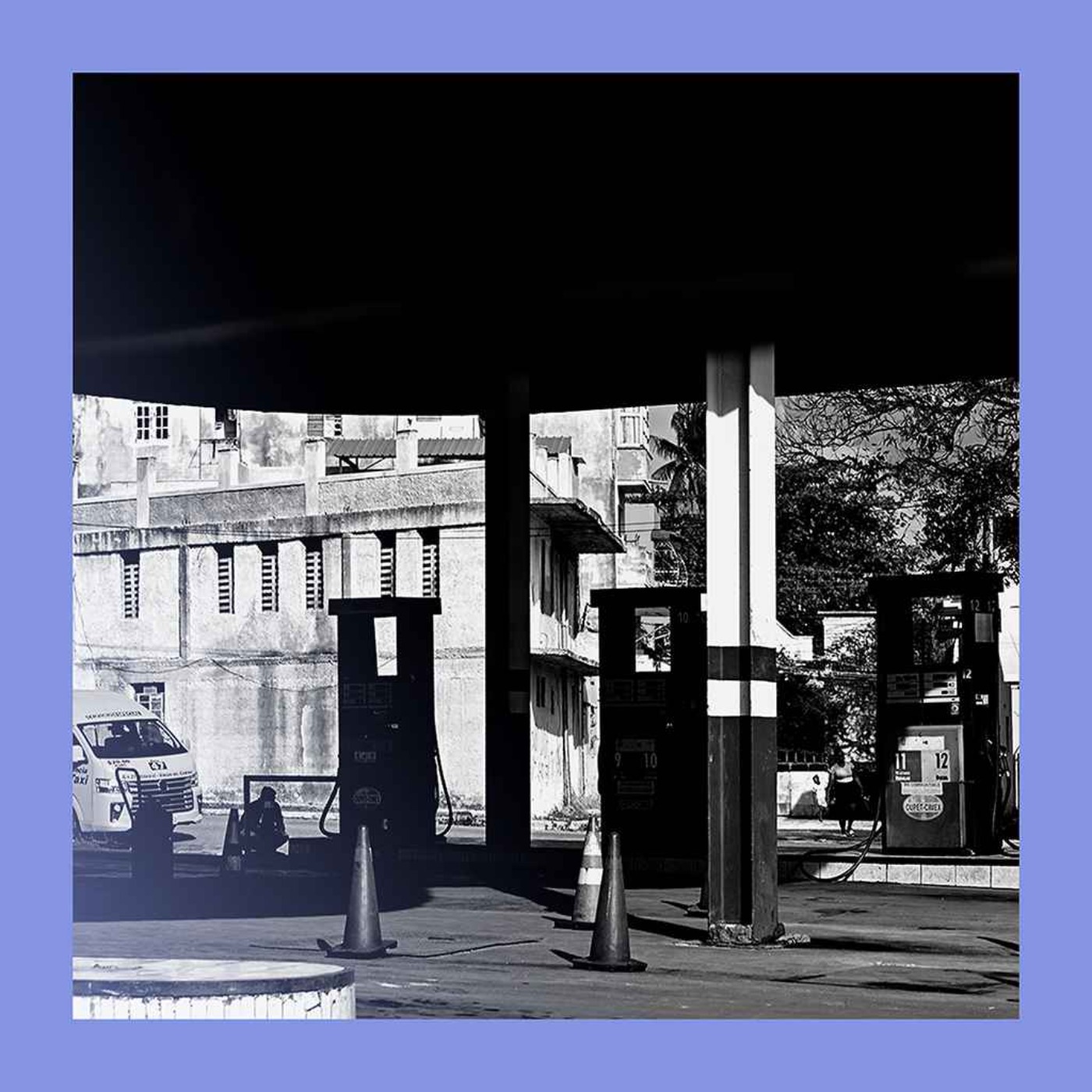
By crippling the Cuban government's ability to operate, US sanctions are forcing the regime to cede control of key sectors. For example, the state has had to hand off its monopoly on importing oil, allowing private businesses to import it for their own needs—an ironic push towards a free-market principle.
Related Insights
U.S. sanctions, intended to pressure the Venezuelan regime, create a legal barrier that prevents creditors and the government from even beginning negotiations on restructuring its defaulted debt. The path to resolution is ironically blocked by the very policy designed to force it.

Private small and medium-sized businesses, legalized in 2021, have become vital for Cubans' survival, paying up to 10 times state salaries. However, the Communist Party remains ambivalent, creating a climate of legal uncertainty for entrepreneurs who are essential to the economy.

Once a destination for American economic opportunity, Venezuela's economy imploded after nationalizing its top industry and imposing widespread price controls. This recent, dramatic collapse serves as a powerful, real-world example of how such policies can lead to ruin, yet they remain popular.
Due to sanctions, Iran's oil exports go almost exclusively to China. This monopsony gives Beijing immense leverage, allowing it to demand deep price discounts and pay in yuan. The funds are held in Chinese banks, restricting Iran to using them only for Chinese goods, crippling its ability to buy essentials elsewhere.
Instead of crippling China, aggressive US sanctions and tech restrictions are having the opposite effect. They have forced China to accelerate its own domestic R&D and manufacturing for advanced technologies like microchips. This is creating a more powerful and self-sufficient competitor that will not be reliant on the West.
Despite his stated goal of lowering oil prices, President Trump's aggressive sanctions on Venezuela, Iran, and Russia have removed significant supply from the market. This creates logistical bottlenecks and "oil on water" buildups, effectively tightening the market and keeping prices higher than they would be otherwise.

The DSA's support for Cuba's regime perpetuates a narrative that U.S. sanctions are the sole cause of its struggles. This overlooks the historical fact that Cuba's vibrant economy collapsed following Castro's disastrous policy of forcing the entire nation into sugar production, which destroyed other industries.
Authoritarian power hinges on 'control over life chances'—dictating access to jobs, housing, and education. A robust private sector creates alternative paths for citizens, diminishing the state's leverage. Fostering private enterprise is therefore a subtle but effective tool for eroding an autocrat's grip on society.

China uses small, independent "teapot" refineries to buy sanctioned oil from nations like Iran. These entities are more risk-tolerant than state-owned giants because they have little exposure to the U.S. dollar system. This parallel structure allows China to secure cheap energy while its major firms avoid direct sanctions risk.
By threatening to force Anthropic to remove military use restrictions, the Pentagon is acting against the free-market principles that fostered US tech dominance. This government overreach, telling a private company how to run its business and set its policies, resembles state-controlled economies.
