Get your free personalized podcast brief
We scan new podcasts and send you the top 5 insights daily.
While third-party Shopify themes seem convenient, they risk becoming unsupported or outdated. For custom builds, the best practice is to use Shopify's native "Dawn" theme as a foundation. It's the most up-to-date and developer-friendly option, ensuring long-term compatibility and easier customization.

Related Insights
Don't assume a successful pre-launch test means your checkout will remain stable. During high-traffic events like BFCM, conduct test purchases in an incognito browser window every few hours. This practice helps catch unforeseen bugs or conflicts that can arise under heavy load before they cost you significant revenue.

To enable AI agents to effectively modify your front-end, you must first remove global CSS files. These create hidden dependencies that make simple changes risky. Adopting a utility-first framework like Tailwind CSS allows for localized, component-level styling, making it vastly easier for AI to understand context and implement changes safely.

Don't just offer a single product with a price. Turn the buy box into a strategic merchandising area by offering curated bundles (e.g., 1, 3, or 5 packs) that provide better value or convenience. This guided buying experience can significantly increase Average Order Value (AOV).
When creating partner marketing assets, avoid bespoke one-offs. Instead, build foundational tools that the partner with the fewest resources can use 'out of the box.' This ensures scalability, as more advanced partners can still adapt and customize the core components for their own needs.

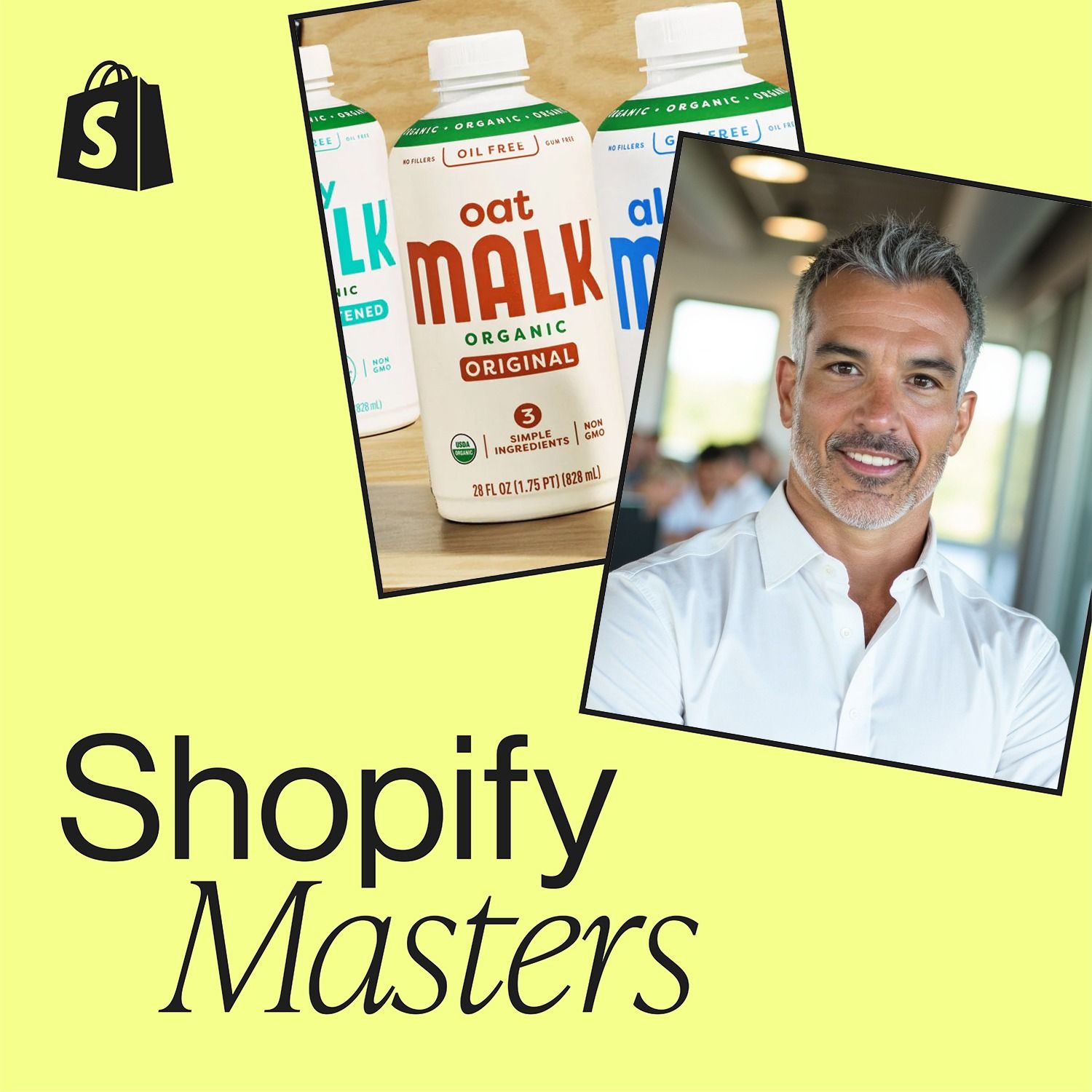
Malk, a retail-focused brand, built a Shopify site not for direct sales but to control messaging, connect with consumers, and gather data. Their site uses technology allowing users to add products to a local retailer's online cart. This creates a valuable, albeit incomplete, data point on purchase intent for a channel that traditionally offers none.
Instead of building UI elements from scratch, adopt modern libraries like Tailwind's Catalyst or Shad CN. They provide pre-built, accessible components, allowing founders to focus engineering efforts on unique features rather than reinventing solved problems like keyboard navigation in dropdowns.

Standard PDPs aren't optimized for high-intent DPA traffic from platforms like Facebook or Google. Build dedicated PDPs for these campaigns featuring aggressive bundles and faster information capture to significantly increase conversion rates for this specific, fast-paced audience.
Most product orgs focus on the 6-12 month medium term, which is the hardest to predict and control. Shopify's design teams are pushed to ignore this messy middle and focus only on the very long-term North Star and the very short-term actions they can take today, creating a more effective planning process.

Avoid the 'settings screen' trap where endless customization options cater to a vocal minority but create complexity for everyone. Instead, focus on personalization: using behavioral data to intelligently surface the right features to the right users, improving their experience without adding cognitive load for the majority.
The "stair-step method" mitigates the dual complexity of building and marketing a SaaS from scratch. By first launching a simpler add-on within a marketplace like Shopify or Heroku, founders can leverage a built-in marketing channel, allowing them to master the technical and product challenges of SaaS.