Get your free personalized podcast brief
We scan new podcasts and send you the top 5 insights daily.
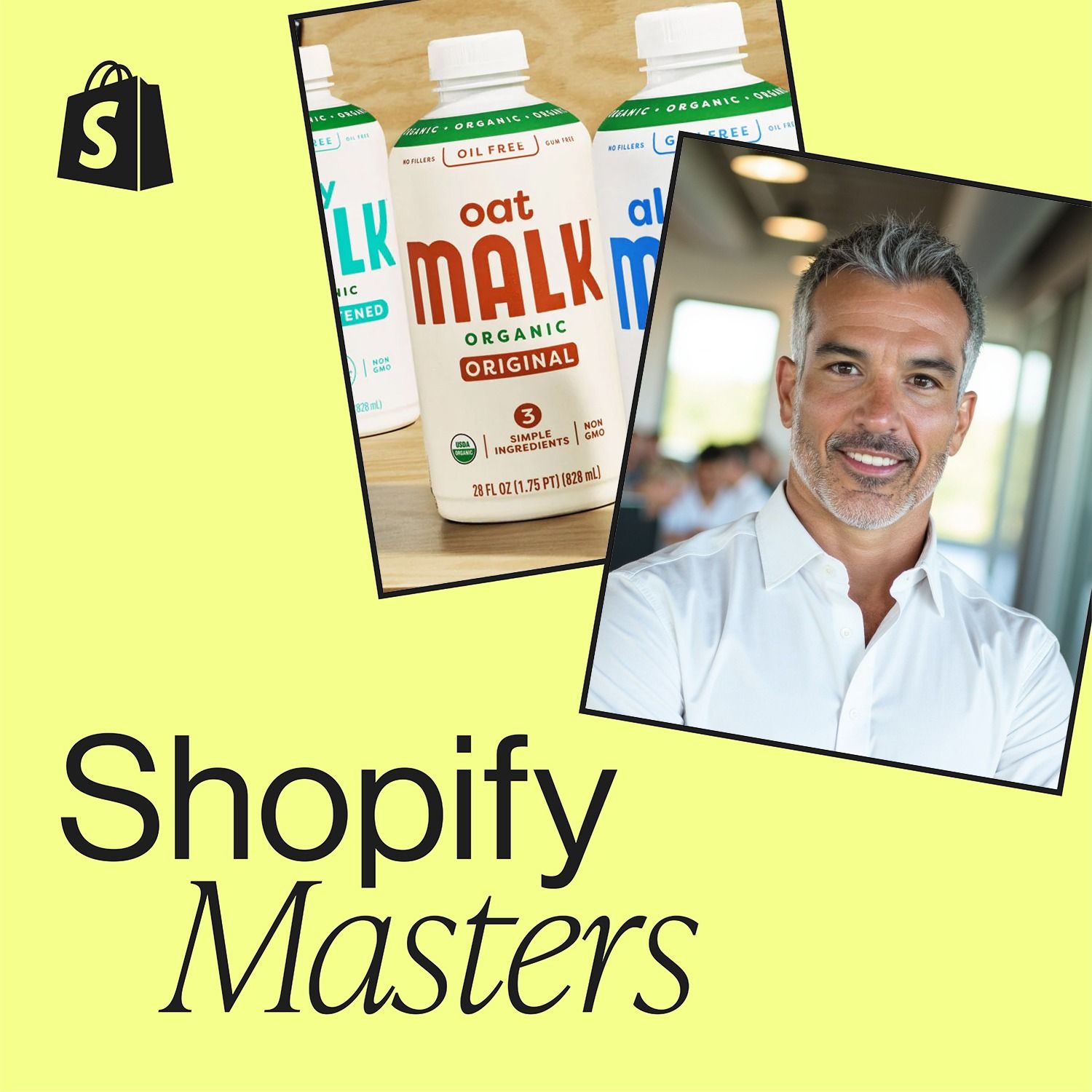
Malk, a retail-focused brand, built a Shopify site not for direct sales but to control messaging, connect with consumers, and gather data. Their site uses technology allowing users to add products to a local retailer's online cart. This creates a valuable, albeit incomplete, data point on purchase intent for a channel that traditionally offers none.
Related Insights
Instead of relying on internal intuition, baby care brand Coterie validated its expansion into skincare by directly surveying its D2C customer base. An overwhelming 8 out of 10 existing customers stated they would purchase the new product, effectively de-risking the launch before development.

AI's most significant impact is not just campaign optimization but its ability to break down data silos. By combining loyalty, e-commerce, and in-store interaction data, retailers can create a holistic customer view, enabling truly adaptive and intelligent marketing across all channels.

Despite beverages being a category people rarely buy online, Breeze generated tens of millions in DTC sales. This built a huge base of customers who preferred to buy in-store, creating a powerful demand flywheel. When Breeze launched in retail, it sold four months of inventory in two weeks.

The software practice of analyzing user clicks can be applied to any business. For retail, identify your top-spending customers and reverse-engineer their entire journey, from their first store visit to their big purchase. This helps find common patterns—like interacting with a specific employee—that can be replicated for all customers.

For consumers under 35, cart abandonment is no longer just a sign of friction—it's a deliberate strategy to solicit a discount. Brands relying on standard ESPs miss most of these high-intent moments, while identity resolution can increase identification of these opportunities by up to 10x.

Large CPG players have slow, agency-driven feedback loops. Nimble DTC brands can win by rapidly testing creative, messaging, and offers online, gaining an insurmountable learning advantage. Speed itself becomes the strategic edge, not just a byproduct of being small.

Advanced retailers are moving beyond treating retail media as an ad channel for short-term sales. They integrate it with loyalty programs to deliver personalized value, which strengthens long-term customer relationships and retention, making it a strategic lever for growth.
Proving digital data can fuel offline sales, a Toronto restaurant group that launched e-commerce during the pandemic bridged the online-offline gap. By integrating Shopify data with MailChimp, they used automated welcome and win-back campaigns based on online grocery and wine purchases to successfully drive customers back into their physical restaurants.

Brands miss opportunities by testing product, packaging, and advertising in silos. Connecting these data sources creates a powerful feedback loop. For example, a consumer insight about desirable packaging can be directly incorporated into an ad campaign, but only if the data is unified.

Coterie treats its physical retail presence not just as a sales channel, but as a marketing tool. A well-placed product block acts like a billboard, driving discovery and funneling 10-12% of new customers back to their primary D2C subscription business.