Get your free personalized podcast brief
We scan new podcasts and send you the top 5 insights daily.
People often enter relationships because the other person resolves an insecurity, making them feel better about themselves. This dependency ensures that the person who started as the "solution" eventually becomes perceived as the "problem" when you still have to face your own unresolved issues.

Related Insights
Insisting a partner must change for you to be happy creates a state of "self-justifying passivity." You become trapped waiting for them, rather than reclaiming your power to improve the relationship by being the one who moves first towards understanding.
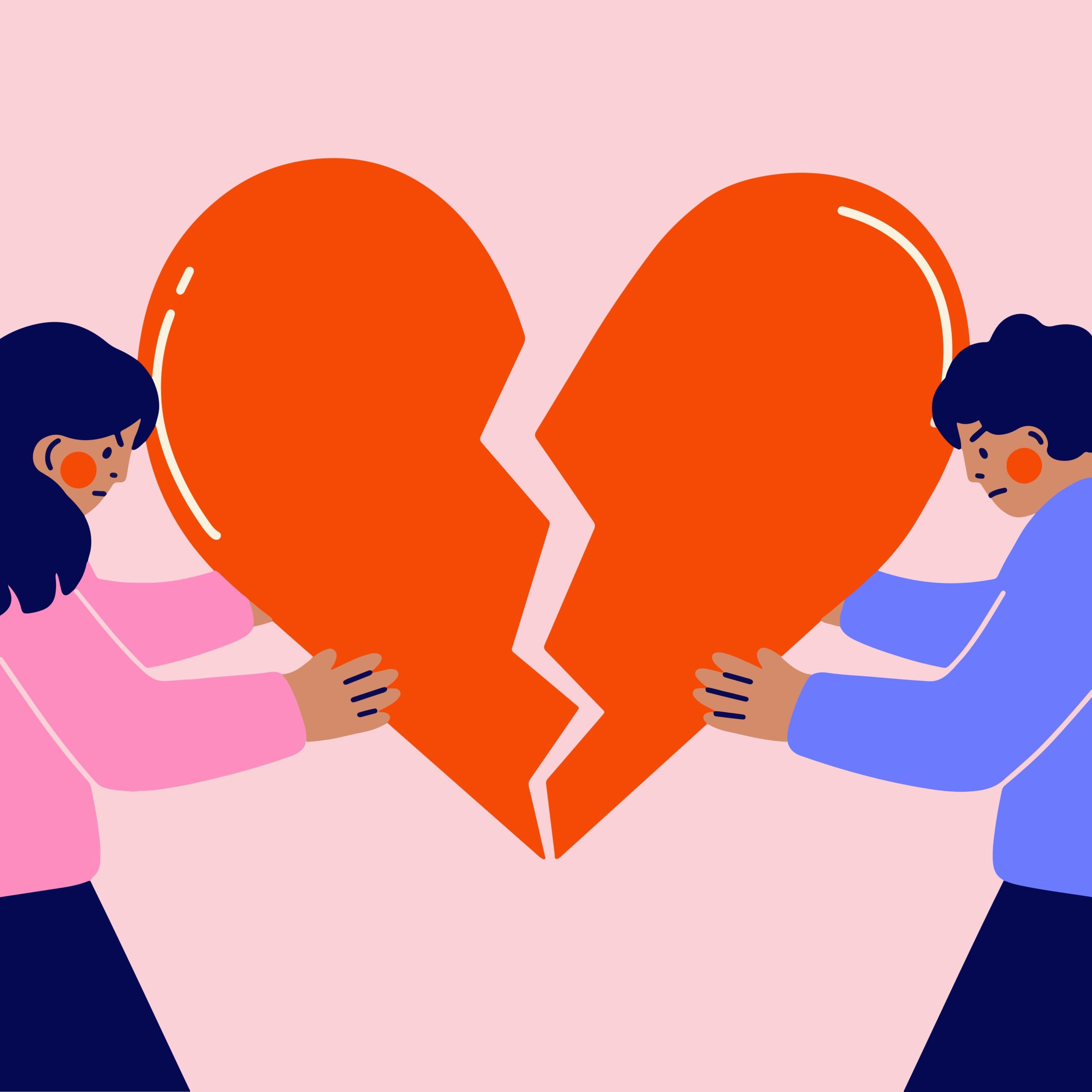
The current self-care narrative suggests one must be 'perfectly healed' and self-sufficient before entering a relationship. This creates an impossible standard, framing normal human flaws as barriers to connection and real-world engagement.

People mistakenly believe marriage will either change their partner for the better (fixing flaws) or prevent their partner from ever changing (preserving the current dynamic). Both assumptions are flawed and set the relationship up for failure.

Toxic relationships often persist not because of the other person, but because your own insecurities make you a target for exploitation or attract an equally insecure partner. Breaking the cycle requires addressing your own self-worth first.

Many enter relationships not out of genuine connection but to avoid confronting personal fears, insecurities, or a lack of purpose. The relationship becomes a convenient distraction from necessary self-reflection and personal growth.

An obsessive attachment to another person is not about the qualities of that person (the "drug"). It is a symptom of deeper internal issues and traumas. The relationship is merely the mechanism you are using to cope with your own pain, creating a cycle of dependency.

Psychotherapist Todd Barrett argues the myth of a perfect soulmate commodifies love and guarantees disappointment. A healthier approach is embracing a "good enough" partner, recognizing that true companionship isn't found but actively built through shared effort, mutual respect, and accepting human limitations.

Relationships don't start in earnest until the initial fantasy shatters. This 'crisis of disappointment' happens when partners see each other realistically for the first time, flaws and all. Only after this moment can a genuine connection be built on who the person actually is, rather than on an idealized projection.

Many people pick partners based on an idealized version of themselves, such as a non-outdoorsy person choosing a mountaineer. This leads to long-term failure. Lasting relationships require you to be ruthlessly honest about your actual lifestyle, values, and psychology, and then find someone whose reality is compatible with yours.

A relationship is not the key to personal happiness; it should be an expansion of it. You must first become a healthy, whole person on your own. Seeking a relationship to fix your problems is a flawed premise, as two dysfunctional people coming together only creates more dysfunction.