Get your free personalized podcast brief
We scan new podcasts and send you the top 5 insights daily.
Conversations fall into three types: practical (problem-solving), emotional (empathy-seeking), and social (relationship-building). Misalignment, like offering a practical solution to an emotional share, causes disconnection because different brain regions are activated for each type.
Related Insights
Many conversations fail because we don't truly listen. Instead, we just pause to formulate our next attack. This isn't listening; it's strategizing. This defensive approach erodes connection and understanding, costing us relationships and opportunities because it's hard to hate someone you truly understand.

This simple framework, taught to teachers, directly addresses the three conversational modes (social, practical, emotional). Asking this question helps align communication by explicitly identifying what the other person needs in that moment, preventing mismatched responses.

People engage in three types of conversations: practical (problem-solving), emotional (empathy), or social (identity). When participants are in different modes—like one offering solutions when the other wants validation—the connection fails. Recognizing and aligning these modes is key to effective communication.

Deadlocks often arise from misinterpretations between negotiator types (Assertive, Analyst, Accommodator), not substantive disagreement. For example, an Analyst's thinking silence can be misinterpreted by an Accommodator as anger, killing the deal.

People often confuse empathy with agreement. In collaborative problem-solving, empathy is a tool for understanding. You can completely disagree with someone's perspective while still working to accurately understand it, which is the necessary first step to finding a solution.
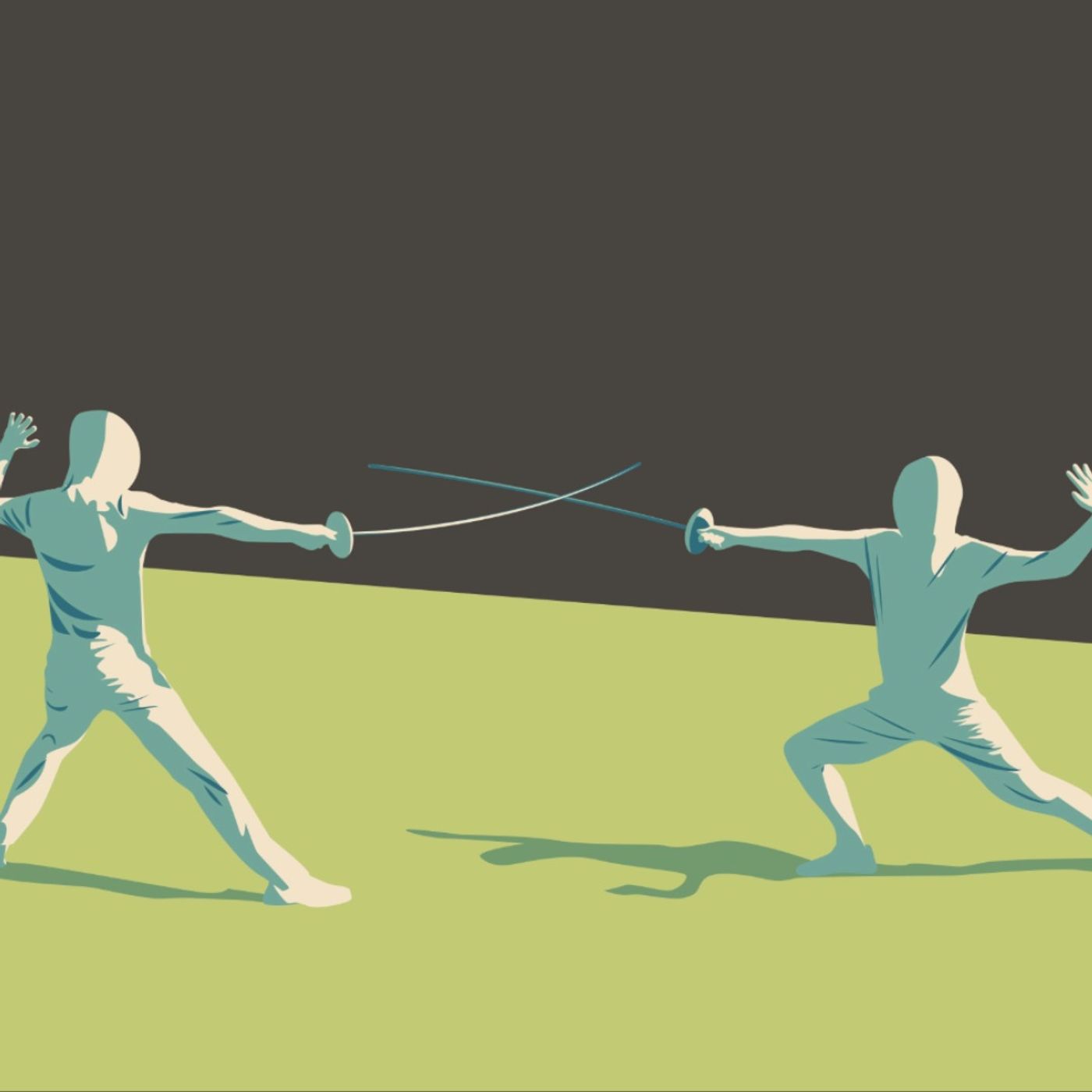
When a big-picture leader communicates with a detail-oriented team, friction is inevitable. Recognizing this as a clash of communication styles—not a personal failing or lack of competence—is the first step. Adaptation, rather than frustration, becomes the solution.

The biggest myth in communication is that what is sent is what is received. When feeling misunderstood, arguing your original point is ineffective. Instead, ask the other person, "What did you hear?" to identify the exact point of disconnect and correct it collaboratively.

Masculine communication focuses on conveying semantic information, where understanding is confirmed by summarizing facts. Feminine communication aims to provoke a shared emotional experience. This disconnect causes conflict when men respond to the literal words women say, while women are trying to make their partner feel what they are feeling.

All discussions contain three underlying conversation types: practical (problem-solving), emotional (feeling-sharing), and social (identity-related). Miscommunication arises when individuals are in different modes, like offering a practical solution to an emotional problem.
Effective communication requires identifying and matching the conversation's underlying purpose. A mismatch—like offering practical advice during an emotional conversation—prevents connection. Acknowledge the current mode (e.g., emotional) before suggesting a shift to another (e.g., practical).
