Get your free personalized podcast brief
We scan new podcasts and send you the top 5 insights daily.
The rise of LLMs creates a new bar for leadership communication: the "GPT test." If a public figure's statements or writings are indistinguishable from what ChatGPT could generate, they will fail to build an authentic brand. This forces a shift towards genuine originality and unpolished thought.
Related Insights
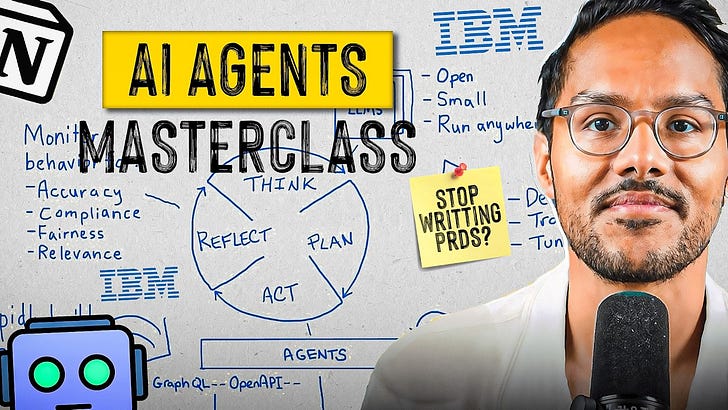
While AI tools once gave creators an edge, they now risk producing democratized, undifferentiated output. IBM's AI VP, who grew to 200k followers, now uses AI less. The new edge is spending more time on unique human thinking and using AI only for initial ideation, not final writing.
The most common marketing phrases generated by ChatGPT are now so overused they cause a 15% drop in audience engagement. Marketers must use a follow-up prompt to 'un-AI' the content, specifically telling the tool to remove generic phrases, corporate tone, and predictable language to regain authenticity.

The proliferation of AI-generated content has eroded consumer trust to a new low. People increasingly assume that what they see is not real, creating a significant hurdle for authentic brands that must now work harder than ever to prove their genuineness and cut through the skepticism.

In a world of AI-generated content, true expertise is proven by the ability to answer spontaneous, unscripted questions on a topic for an extended period. This demonstrates a level of domain mastery and authenticity that AI cannot replicate, building genuine trust with an audience.

In the age of AI, the new standard for value is the "GPT Test." If a person's public statements, writing, or ideas could have been generated by a large language model, they will fail to stand out. This places an immense premium on true originality, deep insight, and an authentic voice—the very things AI struggles to replicate.

As AI automates content creation, the ultimate differentiator becomes authentic human connection. This means prioritizing "reading the room," sharing personal stories, and even being inefficient to foster genuine relationships. While AI optimizes for output, marketers who optimize for humanity will build more resilient brands.

Mark Zuckerberg's evolution from a highly media-trained, scripted persona to an authentic public figure shows that the old playbook of message control is dead. The market now rewards leaders who are transparent and genuine ("this is me, deal with it"), even if they are less polished. Synthetically generated authenticity is easily spotted and rejected.
As AI generates endless look-alike content, a brand's ability to create genuine, human-to-human connection is a unique and defensible advantage. This 'vibe' cannot be automated or easily replicated, making it a crucial competitive differentiator in a crowded market.
AI is commoditizing knowledge by making vast amounts of data accessible. Therefore, the leaders who thrive will not be those with the most data, but those with the most judgment. The key differentiator will be the uniquely human ability to apply wisdom, context, and insight to AI-generated outputs to make effective decisions.

As AI floods the internet with generic content, consumers are growing skeptical of corporate voices. This is accelerating a shift in trust from faceless brands to authentic individuals and creators. B2B marketing must adapt by building strategies around these human-led channels, which now often outperform traditional brand-led marketing.
