Get your free personalized podcast brief
We scan new podcasts and send you the top 5 insights daily.
The song "Walk My Walk" by the AI artist "Breaking Rust" topped the Billboard country music chart. This event forces creative industries to confront how to classify and rank AI-generated content, sparking debate on whether AI art should compete directly against human-made work on established platforms.
Related Insights
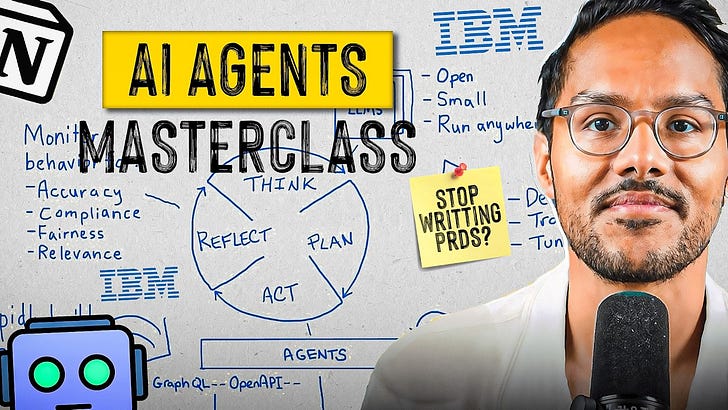
While AI tools once gave creators an edge, they now risk producing democratized, undifferentiated output. IBM's AI VP, who grew to 200k followers, now uses AI less. The new edge is spending more time on unique human thinking and using AI only for initial ideation, not final writing.
The fear of AI in music isn't that it will replace human artists, but that it will drown them out. The real danger is AI-generated music flooding streaming playlists, making genuine discovery impossible. The ultimate risk is platforms like Spotify creating their own AI music and feeding it directly into their algorithms, effectively cutting human artists out of the ecosystem entirely.

In the age of AI, the new standard for value is the "GPT Test." If a person's public statements, writing, or ideas could have been generated by a large language model, they will fail to stand out. This places an immense premium on true originality, deep insight, and an authentic voice—the very things AI struggles to replicate.

True creative mastery emerges from an unpredictable human process. AI can generate options quickly but bypasses this journey, losing the potential for inexplicable, last-minute genius that defines truly great work. It optimizes for speed at the cost of brilliance.

AI is primarily a cost-saving tool, not a substitute for nuanced creative direction. Furthermore, a cultural backlash is emerging among younger consumers on social media who perceive AI content as inauthentic, actively criticizing brands like MrBeast and Liquid Death for using it.
Venture capitalists calling creators "Luddite snooty critics" for their concerns about AI-generated content creates a hostile dynamic that could turn the entire creative industry against AI labs and their investors, hindering adoption.
The success of "Breaking Rust," an AI-generated artist, on a Billboard chart suggests market acceptance of non-human creativity. This indicates that for many listeners, enjoyment is decoupled from the creator's identity, challenging traditional notions of artistry and revealing that audiences may not care about a song's origin as long as they like it.
As AI-generated content creates a sea of sameness, audiences will seek what machines cannot replicate: genuine emotion and deep, personal narrative. This will drive a creator-led shift toward more meaningful, long-form content that offers a real human connection.
The concept of data colonialism—extracting value from a population's data—is no longer limited to the Global South. It now applies to creative professionals in Western countries whose writing, music, and art are scraped without consent to build generative AI systems, concentrating wealth and power in the hands of a few tech firms.

The #1 country music song, 'Walk My Walk' by Breaking Rust, is believed to be AI-generated. Its mainstream success, with millions of streams and potential Grammy buzz, marks a critical milestone where AI is not just creating art but also achieving significant commercial success.
