Get your free personalized podcast brief
We scan new podcasts and send you the top 5 insights daily.
Venture capitalists calling creators "Luddite snooty critics" for their concerns about AI-generated content creates a hostile dynamic that could turn the entire creative industry against AI labs and their investors, hindering adoption.
Related Insights
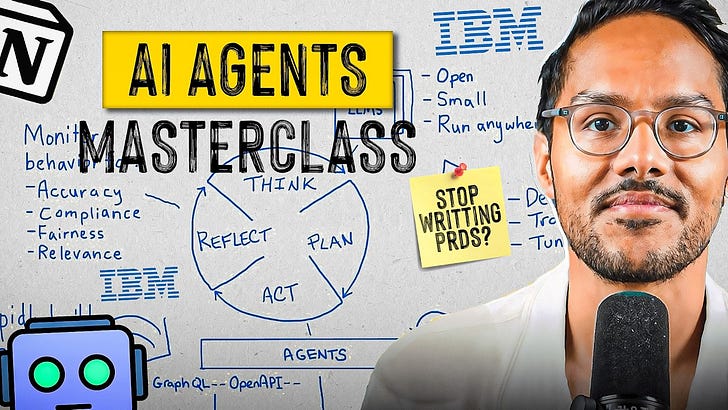
While AI tools once gave creators an edge, they now risk producing democratized, undifferentiated output. IBM's AI VP, who grew to 200k followers, now uses AI less. The new edge is spending more time on unique human thinking and using AI only for initial ideation, not final writing.
Don't view generative AI video as just a way to make traditional films more efficiently. Ben Horowitz sees it as a fundamentally new creative medium, much like movies were to theater. It enables entirely new forms of storytelling by making visuals that once required massive budgets accessible to anyone.

The fear of AI in music isn't that it will replace human artists, but that it will drown them out. The real danger is AI-generated music flooding streaming playlists, making genuine discovery impossible. The ultimate risk is platforms like Spotify creating their own AI music and feeding it directly into their algorithms, effectively cutting human artists out of the ecosystem entirely.

New technologies perceived as job-destroying, like AI, face significant public and regulatory risk. A powerful defense is to make the general public owners of the technology. When people have a financial stake in a technology's success, they are far more likely to defend it than fight against it.
As AI drives the cost of content creation to zero, the world floods with 'average' material. In this environment, the most valuable and scarce skill becomes 'taste'—the ability to identify, curate, and champion high-quality, commercially viable work. This elevates the role of human curators over pure creators.
![Ari Emanuel - The Anti-AI Bet - [Invest Like the Best, EP.448] thumbnail](https://megaphone.imgix.net/podcasts/c5910280-c4dd-11f0-94be-ab6a7a5865b0/image/1e5a2263eb62fcde200846919e24419a.jpg?ixlib=rails-4.3.1&max-w=3000&max-h=3000&fit=crop&auto=format,compress)
The leadership change at Sequoia, arguably the world's top venture firm, is a strong indicator of the intense pressure the entire VC industry faces. It reflects a fear of falling behind in the AI race and the brutal reality that even the best are struggling to adapt to the new competitive landscape.
True creative mastery emerges from an unpredictable human process. AI can generate options quickly but bypasses this journey, losing the potential for inexplicable, last-minute genius that defines truly great work. It optimizes for speed at the cost of brilliance.

AI is primarily a cost-saving tool, not a substitute for nuanced creative direction. Furthermore, a cultural backlash is emerging among younger consumers on social media who perceive AI content as inauthentic, actively criticizing brands like MrBeast and Liquid Death for using it.
Influencers from opposite ends of the political spectrum are finding common ground in their warnings about AI's potential to destroy jobs and creative fields. This unusual consensus suggests AI is becoming a powerful, non-traditional wedge issue that could reshape political alliances and public discourse.
Despite broad, bipartisan public opposition to AI due to fears of job loss and misinformation, corporations and investors are rushing to adopt it. This push is not fueled by consumer demand but by a 'FOMO-driven gold rush' for profits, creating a dangerous disconnect between the technology's backers and the society it impacts.
