Get your free personalized podcast brief
We scan new podcasts and send you the top 5 insights daily.
Contrary to the perception of a peaceful death, lethal injection causes immense suffering. The initial sedative alters blood acidity, making the lungs feel like they are burning. A subsequent paralytic drug prevents the person from crying out, masking their agony while they silently scream in pain.

Related Insights
Trauma is not an objective property of an event but a subjective experience created by the relationship between a present situation and past memories. Because experience is a combination of sensory input and remembered past, changing the meaning or narrative of past events can change the experience of trauma itself.

For individuals whose symptoms have been repeatedly dismissed, a serious diagnosis can feel like a relief. It provides validation that their suffering is real and offers a concrete problem to address, overriding the initial terror of the illness itself.

Showing mercy to disabled enemy combatants is tactically superior for three reasons: it encourages adversaries to surrender rather than fight to the death; it yields valuable intelligence from prisoners; and it establishes a standard of conduct that protects one's own captured soldiers from reciprocal brutality.

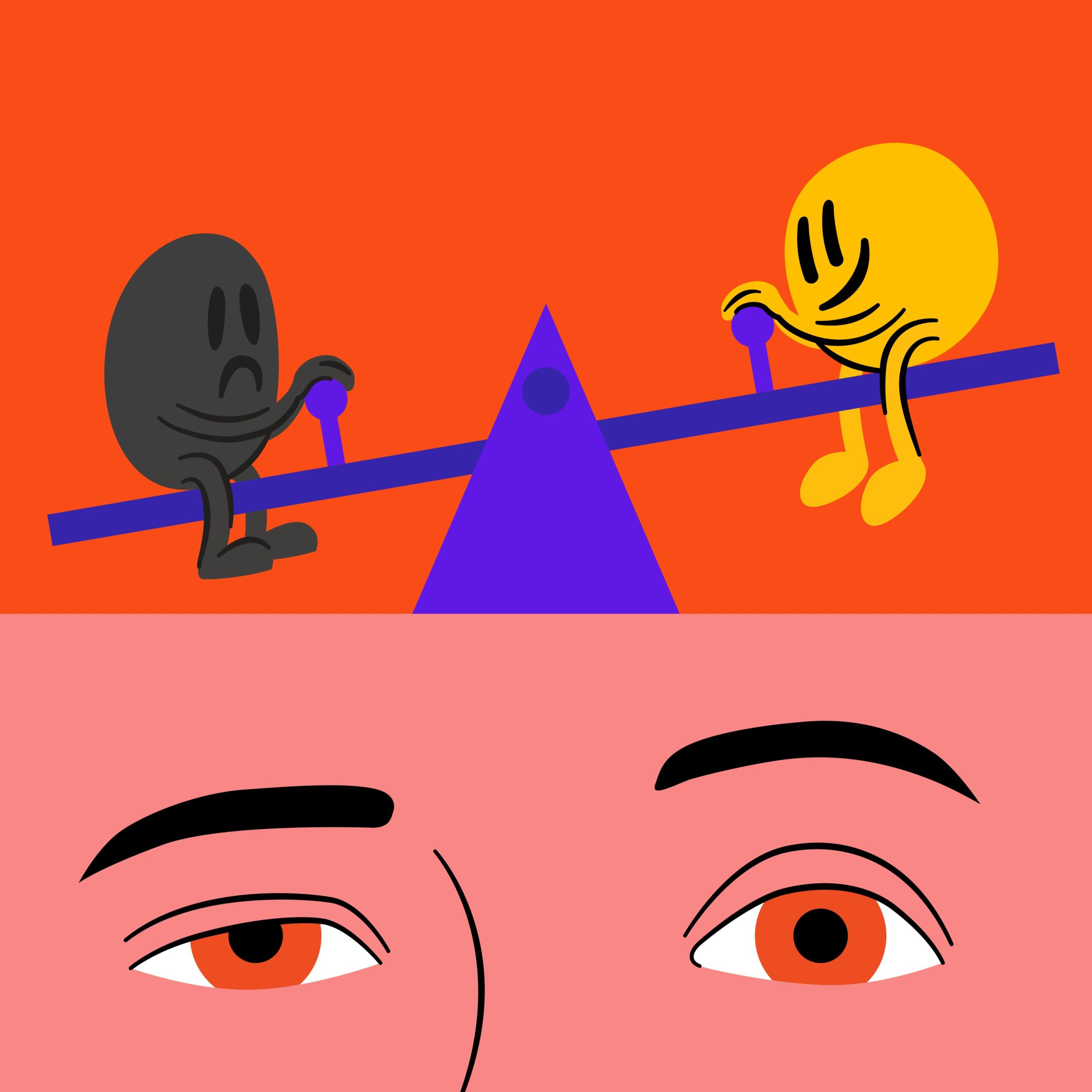
Neuroscience shows pleasure and pain are co-located in the brain and work like a seesaw. When we experience pleasure, the brain immediately compensates by tilting towards pain to restore balance. This neurological 'come down' is why constant pleasure-seeking eventually leads to a state of chronic pain and craving.
Long-term, consistent use of ketone esters based on 1,3-butanediol, a very common formulation, may lead to liver toxicity. This risk exists even at doses that are not considered excessively high, such as those used by endurance athletes or in protocols for Alzheimer's.

Research indicates trigger warnings are ineffective. They don't reduce distress from upsetting content and can increase anxiety by making a person experience the negative emotion twice: once in anticipation and again during the content.

Grisham's most pragmatic argument against the death penalty isn't moral but systemic: Texas has exonerated 18 people from death row. He argues that even if one supports the penalty in principle, one cannot support a system proven to make catastrophic errors. This "flawed system" framework is a powerful way to debate high-risk policies.
Most pain during intense exertion isn't a direct measure of physiological damage, but the brain's predictive mechanism to prevent harm. You can manage this by resetting the brain's expectations with small sensory changes, like how runner Elliot Kipchoge smiles when he's hurting to trick his brain into feeling okay.

The historical progression of the death penalty in America, from hanging to lethal injection, was not primarily about making death more humane. Instead, each change was intended to make the act of execution more palatable and acceptable for the public to witness, effectively a public relations strategy.
When you suppress an emotion, you physically jam an energetic pattern into your body. Over time, this creates tight, compressed areas—'lock boxes'—that can lead to chronic pain, postural issues, and shallow breathing. This physical blockage also disconnects you from your body, trapping you in your mind.
