Get your free personalized podcast brief
We scan new podcasts and send you the top 5 insights daily.
Research indicates trigger warnings are ineffective. They don't reduce distress from upsetting content and can increase anxiety by making a person experience the negative emotion twice: once in anticipation and again during the content.

Related Insights
You cannot simply think your way out of a deep-seated fear, as it is an automatic prediction. To change it, you must systematically create experiences that generate "prediction error"—where the feared outcome doesn't happen. This gradual exposure proves to your brain that its predictions are wrong, rewiring the response over time.

Contrary to the belief that people seek escapism during turbulent times, research shows a surge of interest in scary entertainment following real-life traumatic events. For example, after a campus murder, students in the victim's dorm were most likely to choose to watch a violent movie, suggesting a need to process and understand the threat.
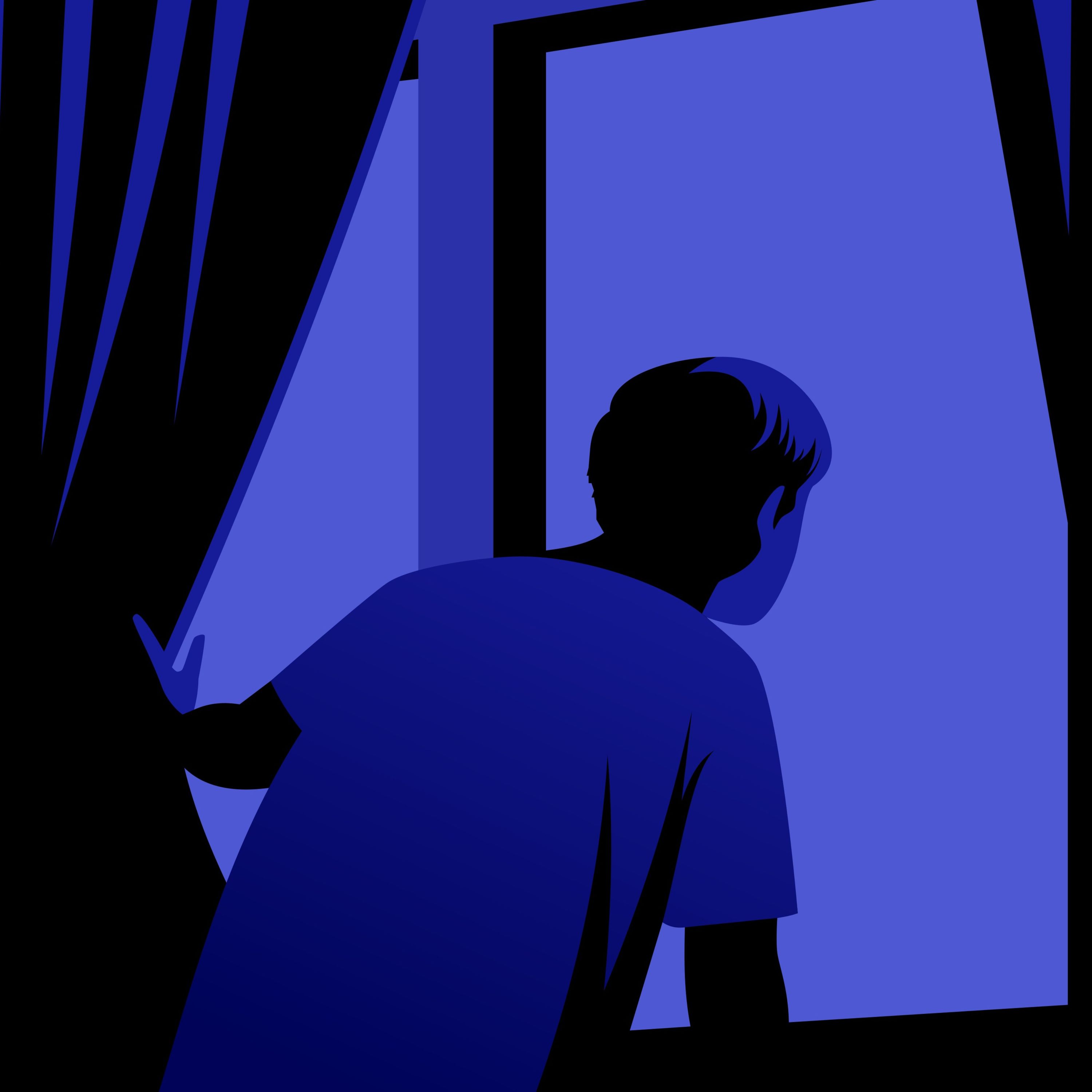
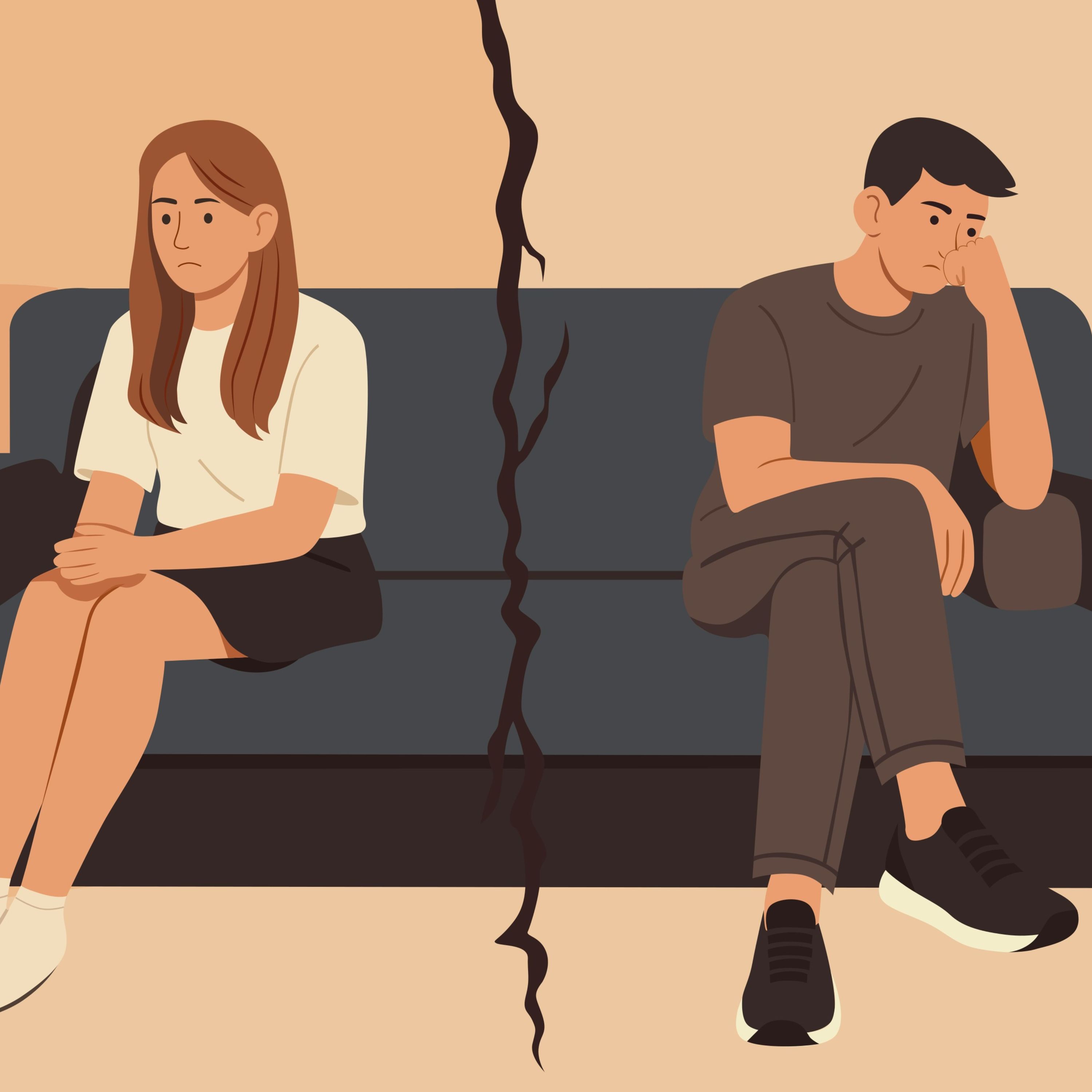
Features designed for delight, like AI summaries, can become deeply upsetting in sensitive situations such as breakups or grief. Product teams must rigorously test for these emotional corner cases to avoid causing significant user harm and brand damage, as seen with Apple and WhatsApp.
Horror can act as a tool for managing generalized anxiety. It hijacks the mind's vigilance cycle, which looks for a threat but can't find one, and provides a specific, identifiable, and controllable fictional threat on screen. Once the movie ends, the threat disappears, triggering the body's relaxation response and calming the nervous system.
Anxiety is not always a pathology but can be a purposeful signal. A study on chimps showed that removing the most sensitive, anxious members led to the entire group's demise, as they were the advance warning system for dangers. This reframes anxiety as a crucial societal function.

Forcing positivity on someone suffering invalidates their authentic feelings of fear, anger, and grief. This "toxic positivity" creates pressure to perform as a "graceful patient," preventing the honest conversations needed to process trauma and isolation. True support makes space for the "uglier aspects" of an experience.

Psychologists can predict the severity of a person's depressive and anxious symptoms not by the content of their trauma, but by the form of their narrative. Recurring, stuck narratives, or what is called the "same old story," correlate with poorer mental health outcomes.
Research conducted during the COVID-19 pandemic revealed that horror fans exhibited greater psychological resilience and less distress than non-fans. Regularly engaging with frightening fictional scenarios appears to serve as a form of emotional regulation practice, equipping individuals to better handle real-world stress and anxiety.
Anxiety spikes when you mentally separate from your own capacity to handle future challenges. Instead of focusing on uncontrollable 'what ifs,' the antidote is to reconnect with your agency and ability to respond, regardless of the outcome. Doubling down on your capacity to handle things quiets the alarm.

A growing trend in psychology suggests relabeling emotions like anger as “unpleasant” rather than “negative.” This linguistic shift helps separate the aversive sensation from the emotion's potential long-term benefits or consequences, acknowledging that many difficult feelings have upsides.