Get your free personalized podcast brief
We scan new podcasts and send you the top 5 insights daily.
The founding team—a graphic designer, a web developer, and an experiential marketer—had never met. They connected via LinkedIn and TikTok DMs after the initial concept went viral, demonstrating how complementary skills can be assembled rapidly from online communities.

Related Insights
Moltbook went from concept to viral phenomenon in a single weekend, illustrating a new development paradigm of 'vibe coding'. By rapidly building a product on a simple premise, using LLMs for content and social media for distribution, teams can generate massive hype and user attention almost instantaneously without traditional marketing.
Instead of building a coffee shop, the founders tested their 'one-item menu' concept by creating a TikTok video and design mockups. The posts generated millions of impressions, confirming massive market interest and de-risking the venture before any significant capital was spent.
CRM expert Megan Fletcher found an untapped audience for technical RevOps and Salesforce content on TikTok, a platform often overlooked for professional development. This proves that specialized B2B communities can be built successfully on consumer-focused social media.

The networking movement's rapid global adoption was driven by a simple, powerful rule: focus on the person, not the profession. By banning the typical transactional icebreaker, it created a space for genuine human connection, fulfilling a deep hunger for community in an increasingly online world.

Birdies founder Bianca Gates argues that real community isn't a marketing tactic. It emerges organically from a founder's genuine need for help, leveraging personal networks for everything from feedback to early sales. This desperation creates authentic early evangelists.

The founders leveraged non-business backgrounds as an advantage. Modeling experience drove the brand's aesthetic vision, while a history in music and community organizing taught them how to build a passionate team and following without significant financial resources.
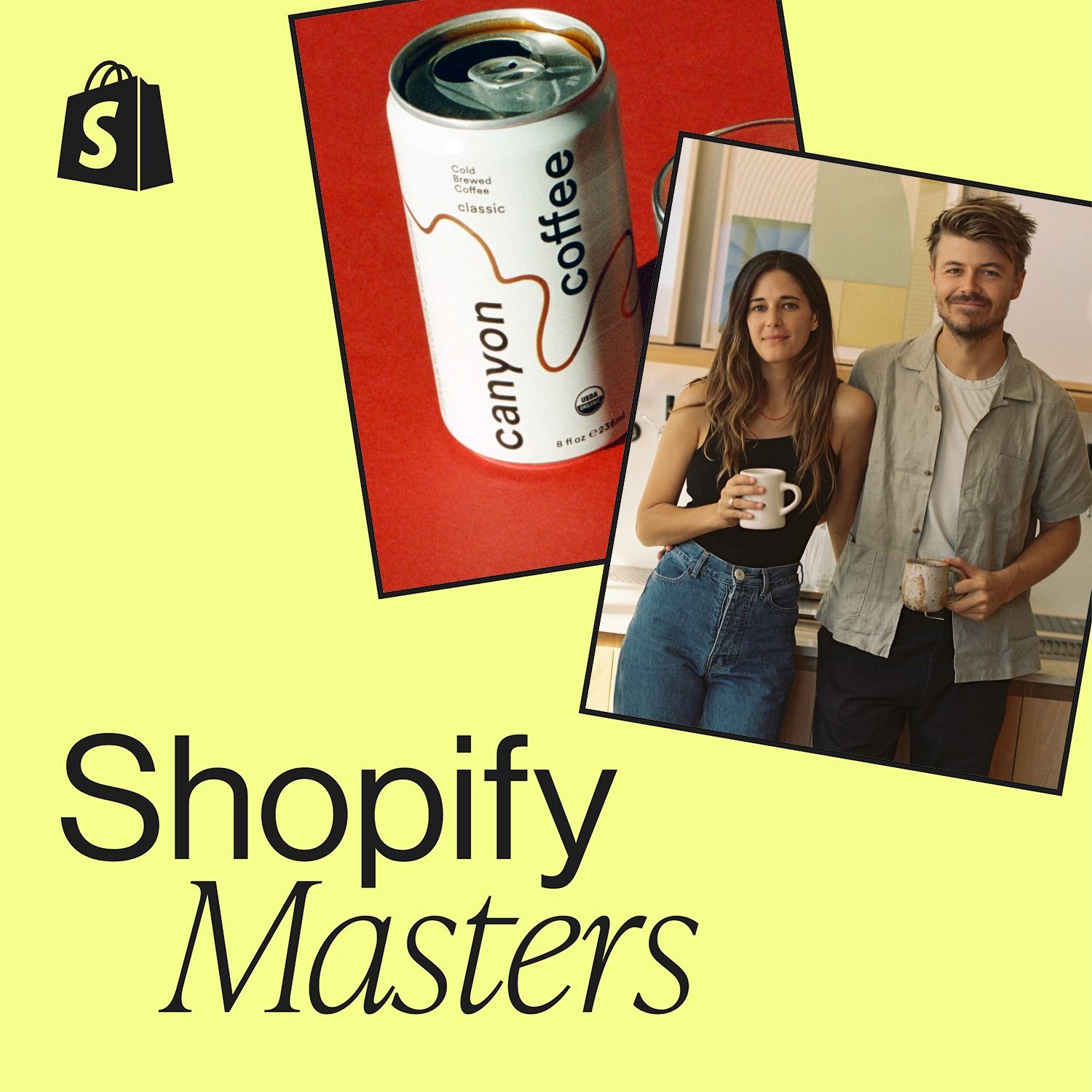
While creator Peter Steinberger is credited with Moltbot's viral success, he quickly brought on contributors to manage the project. This challenges the popular narrative of solo founders reaching massive scale, highlighting that even hyper-efficient creators need a team to handle rapid growth and operational complexity.
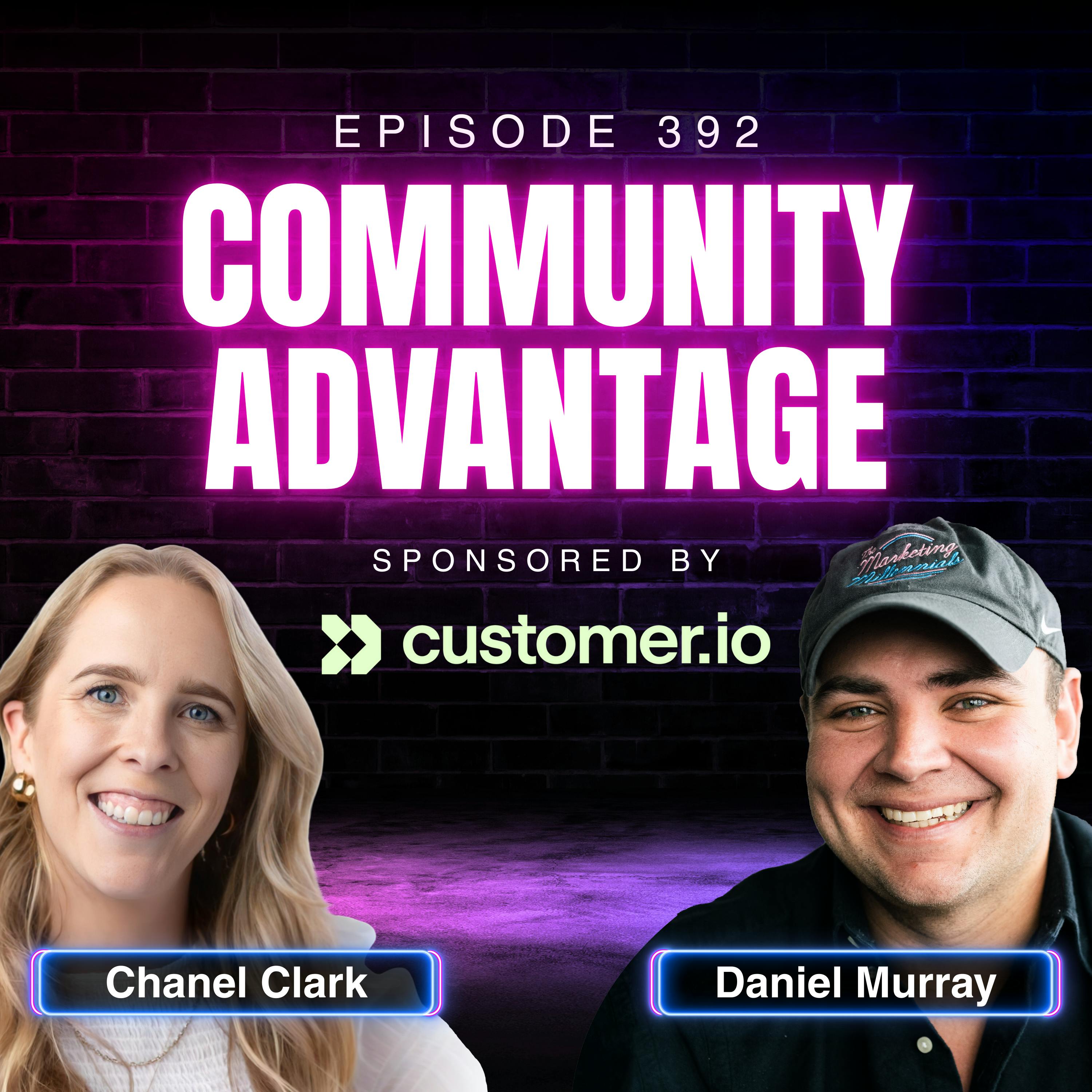
The Marketing Club (TMC) began not from a business plan, but from founder Chanel Clark's personal need as a solo marketer. A single, innocent LinkedIn post asking to connect with peers unexpectedly went viral, proving that organic, problem-led community origins are highly effective.
The business grew quickly because its three co-founders each brought a distinct, essential skill: creative design, business management, and deep product knowledge (fandom). This division of labor allowed them to scale the company while still working their other full-time jobs, with each founder's expertise complementing the others.
The founder of Stormy AI attracted the attention of YC's CEO by creating and sharing viral demos of local language models on Twitter. Instead of a cold application, his public building and social media presence led directly to an invitation to apply, highlighting a powerful, non-traditional path into top accelerators.
