Get your free personalized podcast brief
We scan new podcasts and send you the top 5 insights daily.
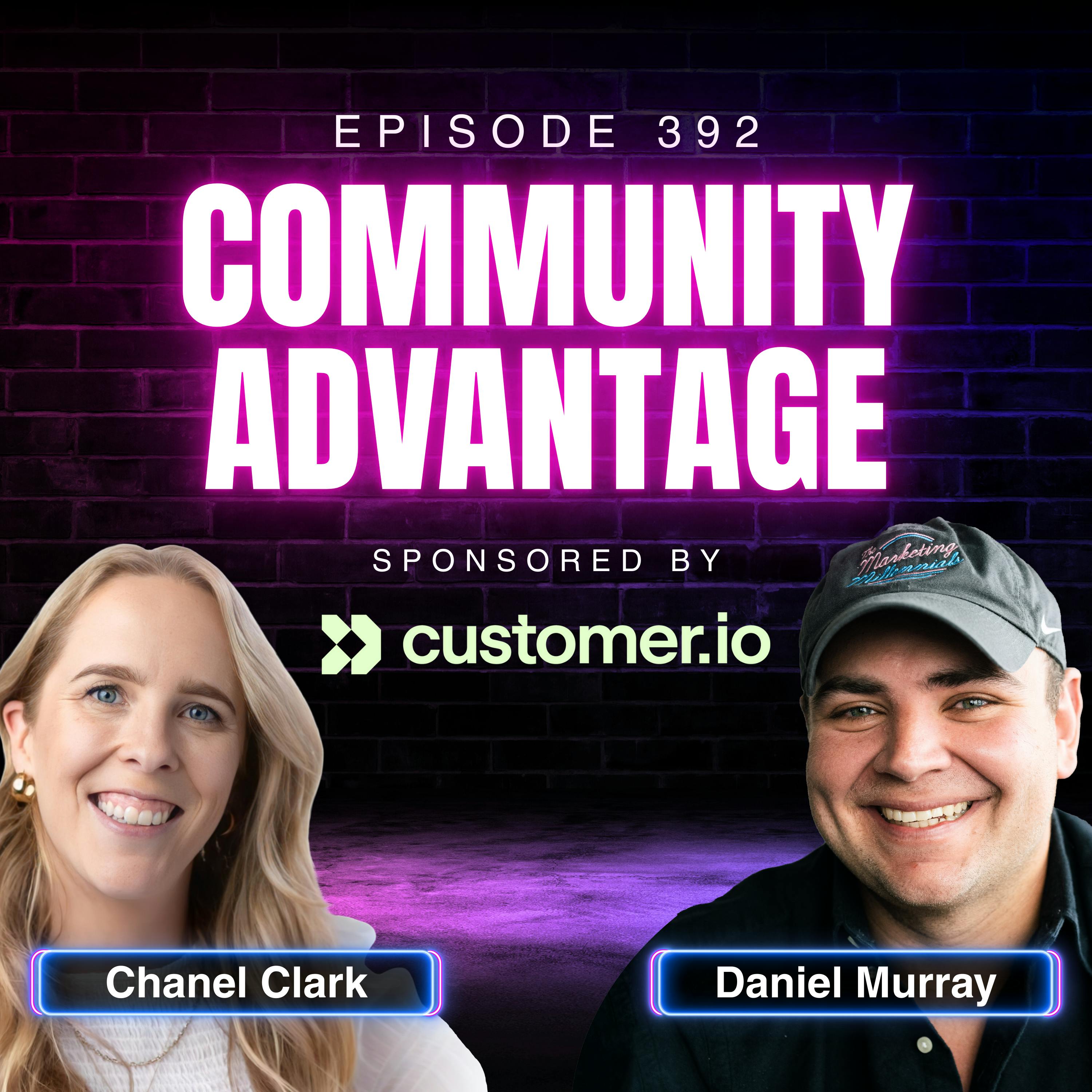
The Marketing Club (TMC) began not from a business plan, but from founder Chanel Clark's personal need as a solo marketer. A single, innocent LinkedIn post asking to connect with peers unexpectedly went viral, proving that organic, problem-led community origins are highly effective.
Related Insights
Comms Hero wasn't a planned community. It began as a one-off Manchester event to offer an affordable, non-London alternative for comms professionals. Its success led to rapid expansion and organic community growth, driven by a genuine desire to serve the audience differently.

To scale her personal brand-centric community, Chanel Clark identifies hyper-engaged members in different cities. These "power users," who embody the community's vibe, are empowered as local chapter leads, allowing the founder's ethos to scale without her needing to be physically present at every event.
The most effective way to find a community isn't to search for a specific tribe. Instead, seek out situations of transition for yourself or others—like a new job or city. People are most open to new connections during these moments of change, creating fertile ground for authentic community to form.
Birdies founder Bianca Gates argues that real community isn't a marketing tactic. It emerges organically from a founder's genuine need for help, leveraging personal networks for everything from feedback to early sales. This desperation creates authentic early evangelists.

The most potent business ideas are discovered, not forced. They arise naturally from being an active participant in a niche community and experiencing its problems firsthand. Instead of searching for 'an idea,' immerse yourself in a passion; the right opportunity will present itself.
The foundation of Faberge's community wasn't a formal event strategy but a simple, organic act. After interviewing key people for her company, she would ask them if they'd like to meet others she'd spoken with. This personalized matchmaking naturally evolved into larger group gatherings.

The host's irritation with traditional, awkward networking conferences was the direct inspiration for creating a successful alternative event. This highlights the principle that personal frustrations often point to unmet market needs ripe for innovation.

The Marketing Club's growth accelerated dramatically after launching in-person events. This strategy transformed their online group into a tangible community, allowing members to form deeper connections and feel a true sense of belonging. This propelled membership from the hundreds into the thousands.
The most enduring companies, like Facebook and Google, began with founders solving a problem they personally experienced. Trying to logically deduce a mission from market reports lacks the authenticity and passion required to build something great. The best ideas are organic, not analytical.

The desire for connection and necessary skills often already exist within a group. A leader's role is not to construct community, but to create the conditions—like providing a shared space or a clear invitation—that activate these latent connections and allow them to flourish.
