Get your free personalized podcast brief
We scan new podcasts and send you the top 5 insights daily.
The appeal of complex conspiracies isn't just about information; it's psychological. Believing you are at the center of a vast plot makes life more exciting and meaningful. The realization that one is not important can lead to "secondary depression," making the conspiracy narrative preferable to reality.

Related Insights
We live in "communities of knowledge" where expertise is distributed. Simply being part of a group where others understand a topic (e.g., politics, technology) creates an inflated sense that we personally understand it, contributing to the illusion of individual knowledge.
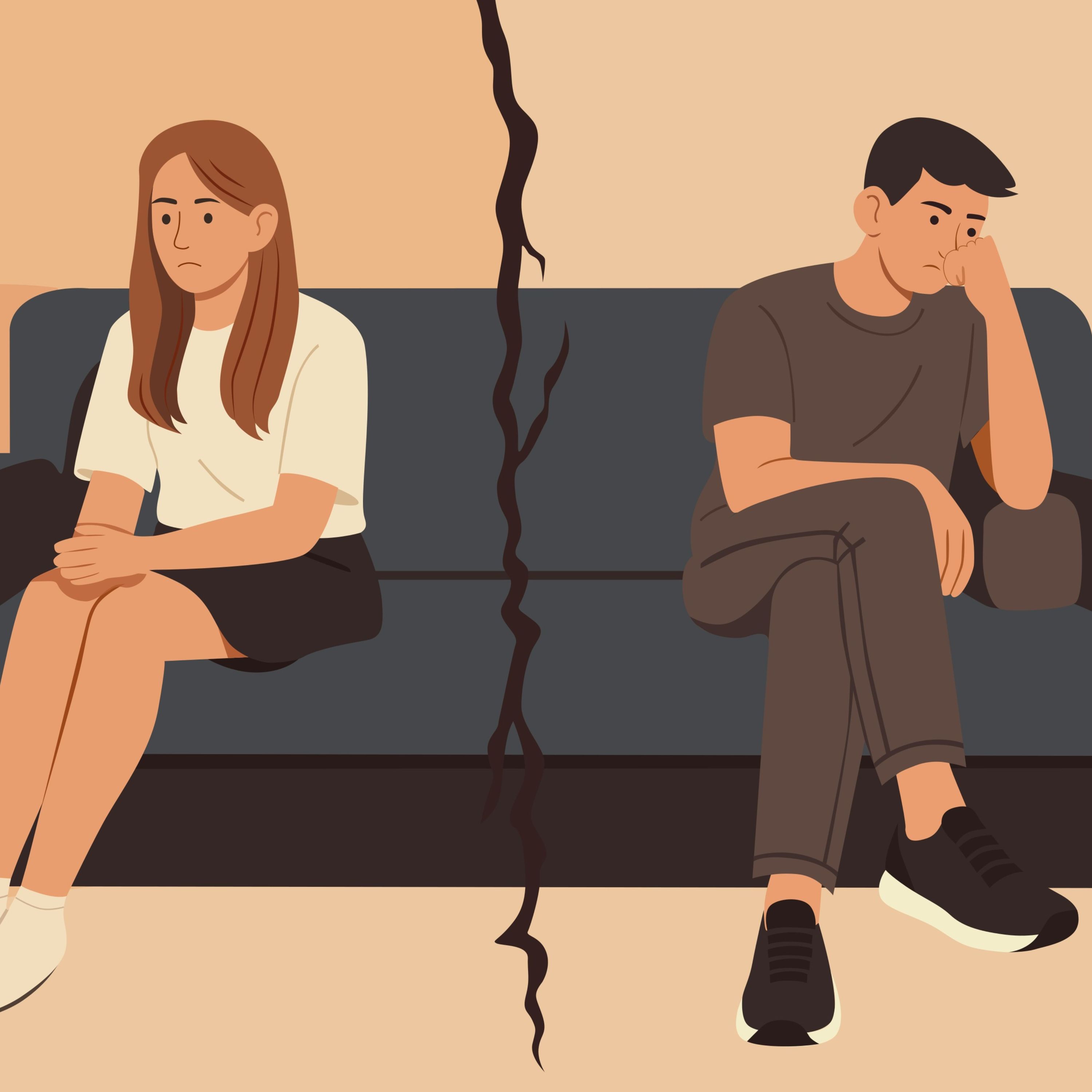
A former CIA operative suggests that government secrecy is frequently a tool to hide administrative incompetence, premature announcements, or procedural errors, rather than to cover up nefarious, large-scale conspiracies. This perspective reframes public distrust from calculated malice to bureaucratic failure.

Humans crave control. When faced with uncertainty, the brain compensates by creating narratives and seeing patterns where none exist. This explains why a conspiracy theory about a planned event can feel more comforting than a random, chaotic one—the former offers an illusion of understandable order.

Our fascination with danger isn't a flaw but a survival mechanism. Like animals that observe predators from a safe distance to learn their habits, humans consume stories about threats to understand and prepare for them. This 'morbid curiosity' is a safe way to gather crucial information about potential dangers without facing direct risk.
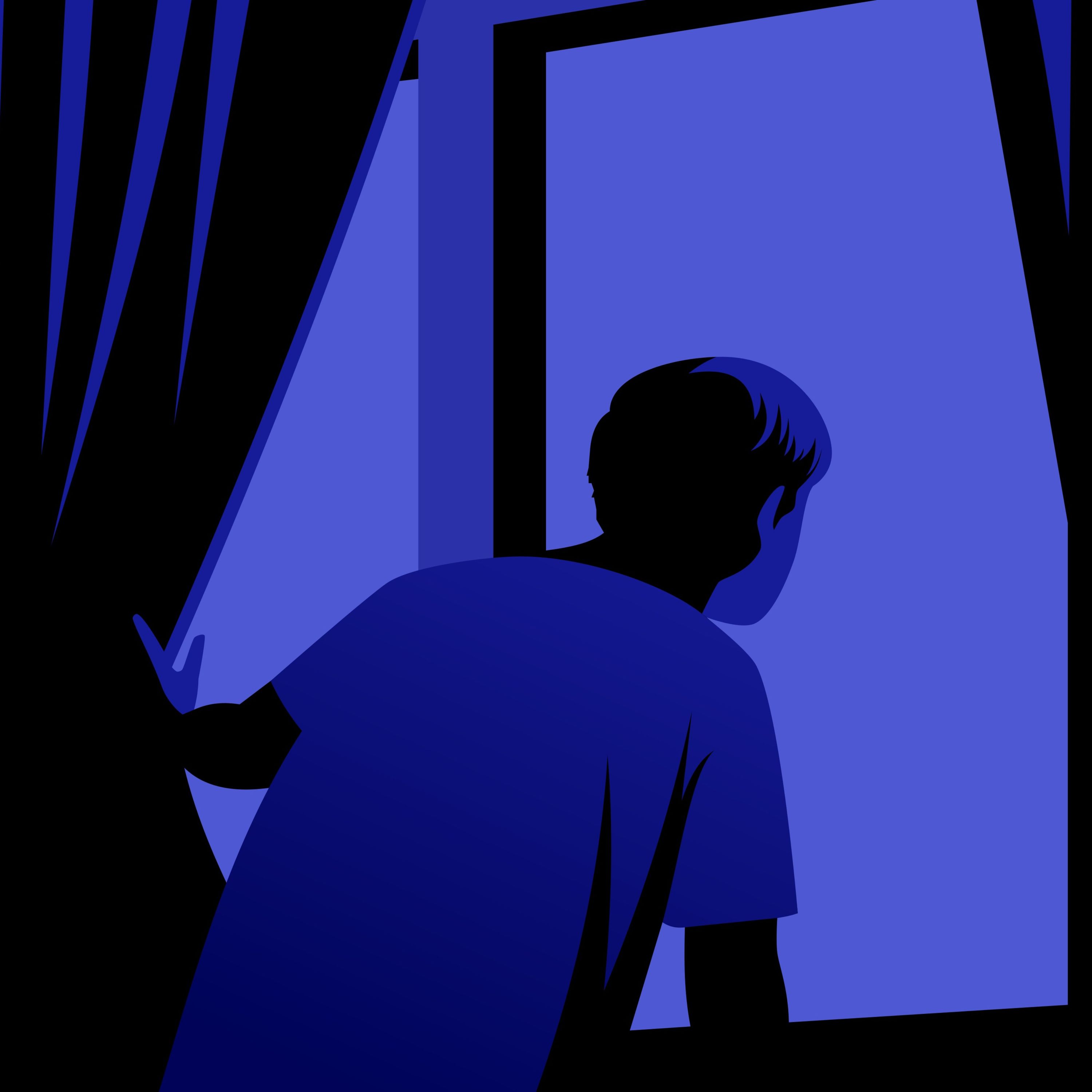
The human brain resists ambiguity and seeks closure. When a significant, factual event occurs but is followed by a lack of official information (often for legitimate investigative reasons), this creates an "open loop." People will naturally invent narratives to fill that void, giving rise to conspiracy theories.
People watched the movie 'Contagion' during the pandemic rather than reading scientific papers because the human brain is wired to learn through first-person stories, not lists of facts. Narratives provide a simulated, experiential perspective that taps into ancient brain mechanisms, making the information more memorable, understandable, and emotionally resonant.
When presented with direct facts, our brains use effortful reasoning, which is prone to defensive reactions. Stories transport us, engaging different, more social brain systems. This allows us to analyze a situation objectively, as if observing others, making us more receptive to the underlying message.

Humans can endure immense suffering, misery, and ugliness, but find boredom intolerable. This powerful aversion is an underestimated catalyst for major historical events, social movements, and even revolutions, as people seek excitement and a sense of purpose over monotony.
A story's core mechanic for engagement is not just emotion, but the constant betrayal of the audience's expectations. People are drawn to narratives, jokes, and songs precisely because they want their predictions about what happens next to be wrong. This element of surprise is what makes a story satisfying and compels an audience to continue.
People often mistake cynicism for intelligence. However, research shows it's a protective measure used by those with poorer reasoning skills to avoid being taken advantage of. This self-protection leads them to miss out on positive human interactions by assuming the worst in others.
