Get your free personalized podcast brief
We scan new podcasts and send you the top 5 insights daily.
When pitching, a 'win-win' can still imply unequal outcomes. A 'no-lose' offer, where you assume all the risk and upfront cost (like creating free product samples), completely eliminates the recipient's hesitation and dramatically increases your chances of success.

Related Insights
A powerful offer isn't just a free trial. It's a low-risk, easy-to-implement "baby step" that solves a very specific problem without requiring them to rip and replace an existing system. The goal is to create an entry point into a relationship that is so valuable and low-friction that turning it down feels irrational.

A successful cold pitch isn't an essay about your brand's story. It should be short enough to maintain interest, compellingly frame the value you offer the recipient (not the other way around), and end with a clear, actionable request like sending samples.
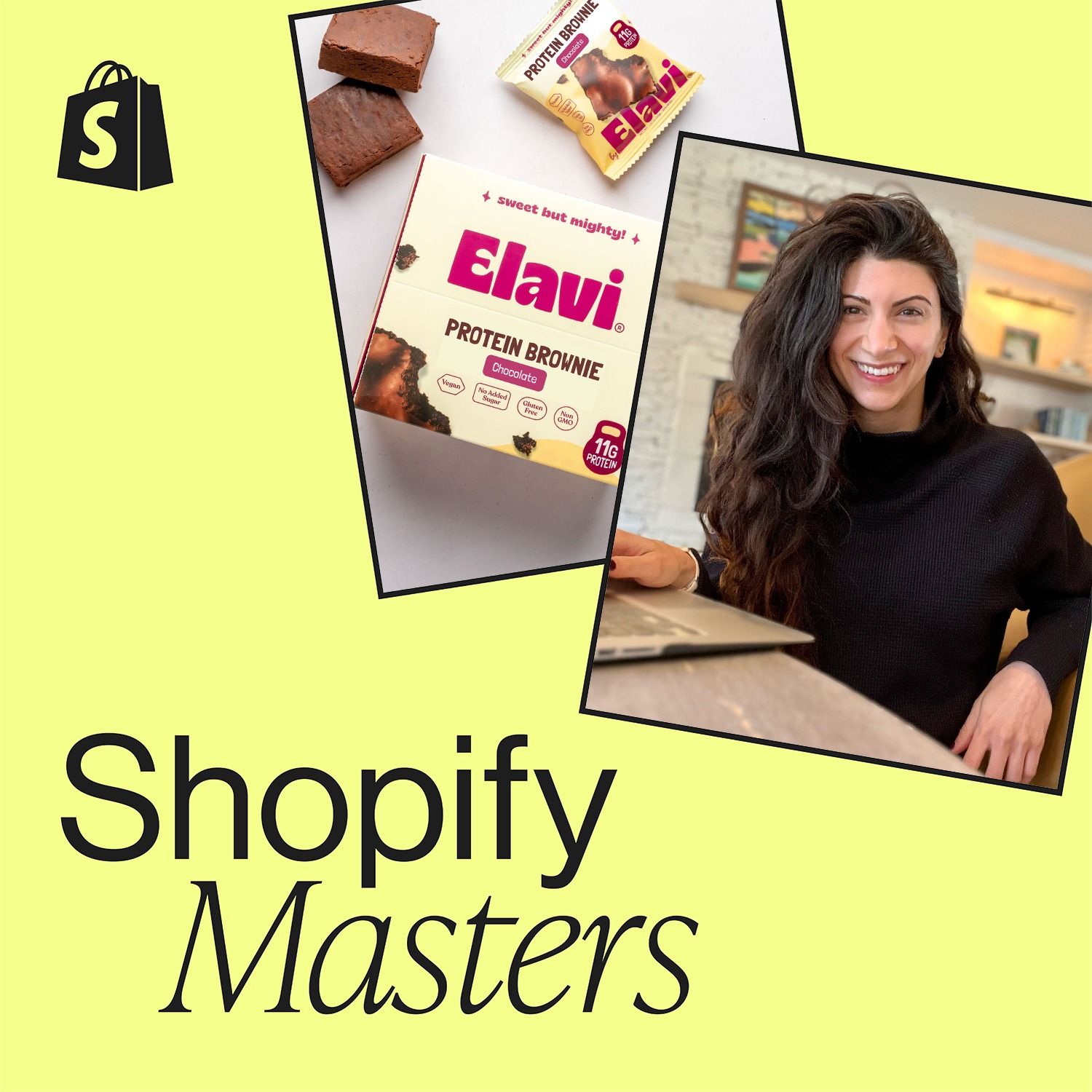
Prospects often decline meetings to avoid another bad sales experience. Counter this by explicitly stating the value they'll receive (e.g., free ideas, best practices) even if they don't purchase, making the meeting a low-risk proposition for them.

Counterintuitively, giving a buyer an explicit "out" relieves pressure. Like a room with two exits instead of one, they feel less trapped and more relaxed, making them more open to your proposal instead of focusing on their escape.

Presenting a performance-based or 'no cost until we collect' model upfront can sound cheesy or too good to be true, creating unnecessary objections. This pricing mechanic is better used later in the sales cycle as a negotiation tool, not as an opening pitch to get in the door.
The single biggest lever for cold email success isn't the copy or sending strategy—it's the offer. Truly compelling, high-value propositions, such as fundraising for a fast-growing startup or an M&A inquiry, will inherently generate high response rates.

The ultimate test of a powerful offer is its simplicity. If you can't explain the entire value proposition in a short text message that elicits a "yes," it's too complex. This forces you to strip away jargon and focus only on what makes it a "stupid to say no" deal.

Evaluate your outbound value proposition with a simple acid test: would the buyer feel like they are making a poor business decision by saying 'no'? This forces a shift from asking for time to providing such a compelling insight that the prospect feels a duty to engage.

Gage Donovan increased his sales opportunities from 10% to 90% by changing his pitch from asking "Can I wash your windshield?" to stating "As a courtesy, we're washing everybody's windshields." This removes the customer's feeling of obligation and positions the offer as a given value, leading to higher acceptance.

Before presenting your solution, systematically guide the prospect to conclude that all other options (like DIY or waiting) are unworkable. This proactive objection handling frames your offer as the only logical next step, making the prospect more receptive to your pitch.