Get your free personalized podcast brief
We scan new podcasts and send you the top 5 insights daily.
The single biggest lever for cold email success isn't the copy or sending strategy—it's the offer. Truly compelling, high-value propositions, such as fundraising for a fast-growing startup or an M&A inquiry, will inherently generate high response rates.

Related Insights
The quality bar for AI sales outreach isn't perfection; it's simply being better and more consistent than your average human SDR. A 'pretty good' email sent consistently without errors is sufficient to generate high response rates and outperform the variable quality of human efforts. Don't let the quest for the perfect email stall implementation.

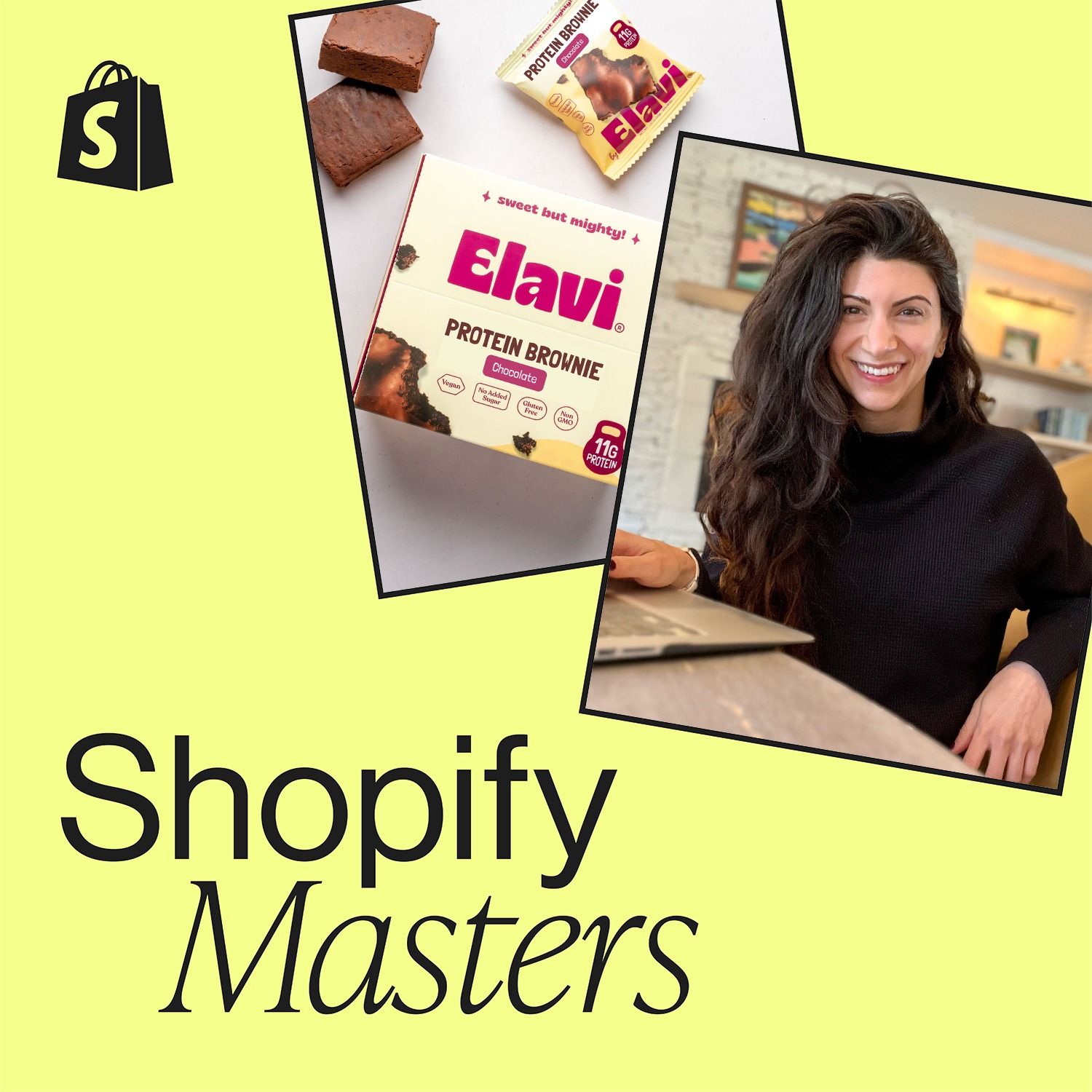
A successful cold pitch isn't an essay about your brand's story. It should be short enough to maintain interest, compellingly frame the value you offer the recipient (not the other way around), and end with a clear, actionable request like sending samples.
Focusing on email open rates can lead to clickbait subject lines and weak copy. Instead, orient your entire outreach strategy around getting a reply. This forces you to write more personalized, engaging content that addresses the recipient's specific pain points, leading to actual conversations, not just vanity metrics.

Stop trying to convert customers directly within an email. An email's primary function is to provide enough evidence and intrigue to earn a click through to a dedicated sales page. The sales page, not the email, is responsible for the final conversion. This shift makes copy more conversational and less pushy.

Many fail at cold outreach because they view it as a simple tool rather than a complex system requiring careful input management, like deliverability and multi-account strategies. They blame the channel for poor results when the process itself is flawed.
The idea of sending 'value-only' emails without a call to action is flawed. Solving a customer's problem *is* the value, and your product is the tool for that solution. Including a path to purchase in every email respects the customer's intent and provides critical data on which messages resonate.

Effective cold outreach avoids long life stories and unsolicited attachments. The optimal formula is: 1) a single sentence on how you can help them, 2) one or two quantified achievements (bona fides), and 3) a link to your polished LinkedIn profile. This respects the recipient's time and piques their curiosity.

Asking for a prospect's time or interest is less effective than giving them something valuable. Emails that include a tangible offer (e.g., a benchmark, an audit, a unique insight) see a 28% higher reply rate. You get their time by not asking for it directly.

Instead of just giving away value, the best lead magnets solve a narrow problem in a way that exposes a bigger, more pressing need. This creates a "point of greatest deprivation," making the prospect eager for your core offer, much like an entree creates a desire for dessert.

To achieve a high reply rate (10%) on massive cold email campaigns, the first email must provide upfront value without an ask. For example, find relevant Reddit threads where a prospect's product isn't mentioned, add a comment about it yourself, and then email them the links as proof of value. The pitch only comes after they respond.
