Get your free personalized podcast brief
We scan new podcasts and send you the top 5 insights daily.
The key to justifying brand marketing isn't a perfect dashboard, but internal education. A marketing leader's primary job is to explain to the CFO and sales team that buying decisions are not linear and are influenced by multiple, often unmeasurable touchpoints over time.

Related Insights
To convince a skeptical CFO who dismissed brand spend, MasterCard's CMO Raja Rajamannar pointed to her expensive Cartier watch. He explained that the significant price premium she paid over a functional, cheaper watch was the tangible, financial definition of brand value. This personal, disarming example immediately reframed the conversation.
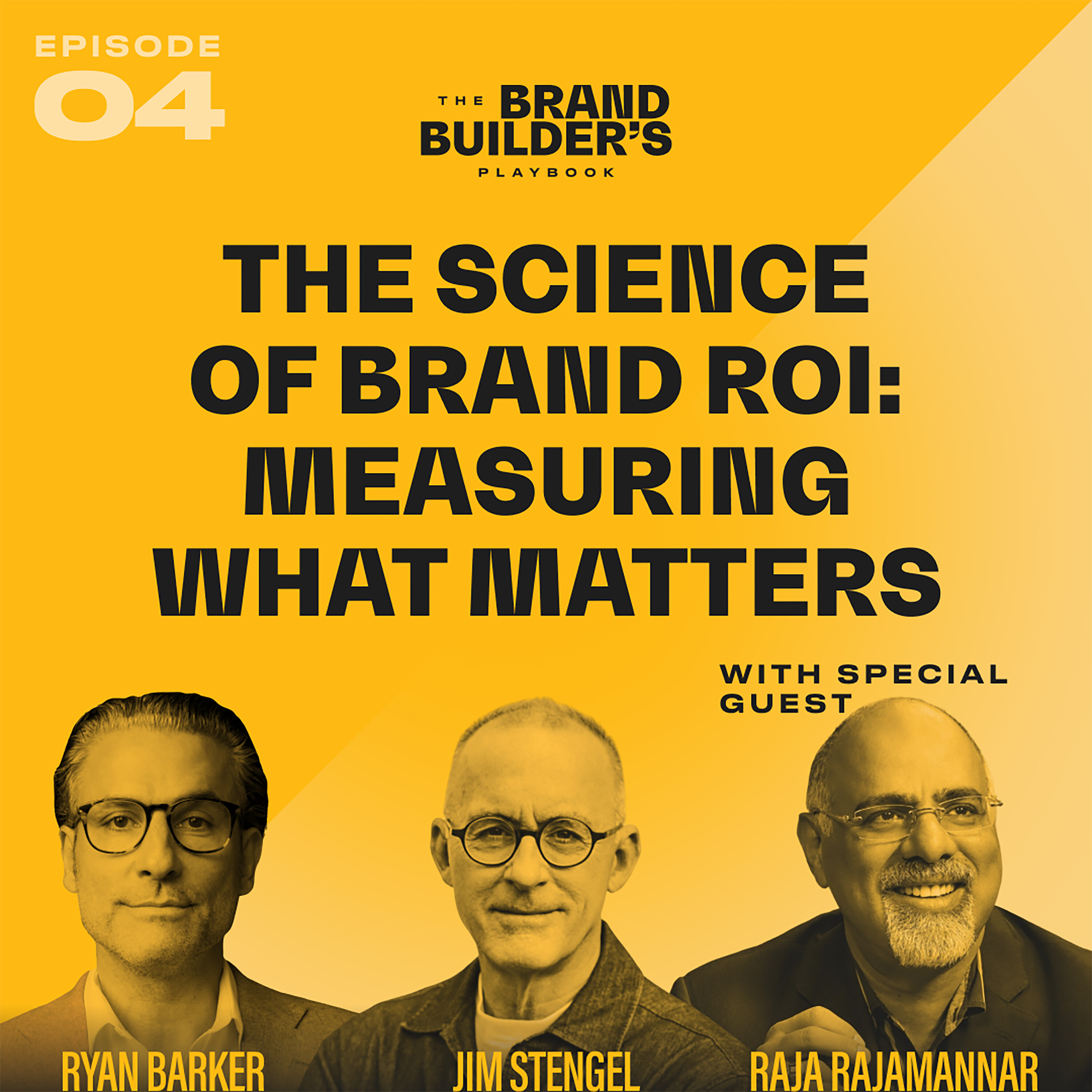
CFOs don't expect flawless marketing attribution. They distrust 'black box' metrics and prefer CMOs who are transparent about uncertainties. The best approach is to openly discuss imperfections and collaborate on a joint plan to improve measurement over time, building trust and confidence.

To get C-suite buy-in for long-term brand investment, marketers should run small, ring-fenced test campaigns. By isolating a market segment and layering brand tactics on top of demand generation, you can demonstrably prove superior growth compared to a control group, de-risking a larger investment.

MasterCard's CMO advises embedding a finance professional on the marketing team who can present ROI data to leadership. Because the message comes from a non-marketer, it carries more weight and credibility with the CFO and board. This tactic acknowledges that who delivers the message is as important as the message itself.
To prove brand's financial impact, connect it to the three core levers of Customer Lifetime Value (CLV). A strong brand lowers customer acquisition costs, increases retention, and supports higher margins through pricing power. Since aggregate CLV is tied to firm valuation, this makes brand's contribution tangible to a CFO.
Data shows that adding brand marketing to a performance-driven engine can increase median ROI by 90%. The persistent tension between brand and performance stems from short-termism and the allure of easily measured clicks, creating a false dichotomy between two essential functions.
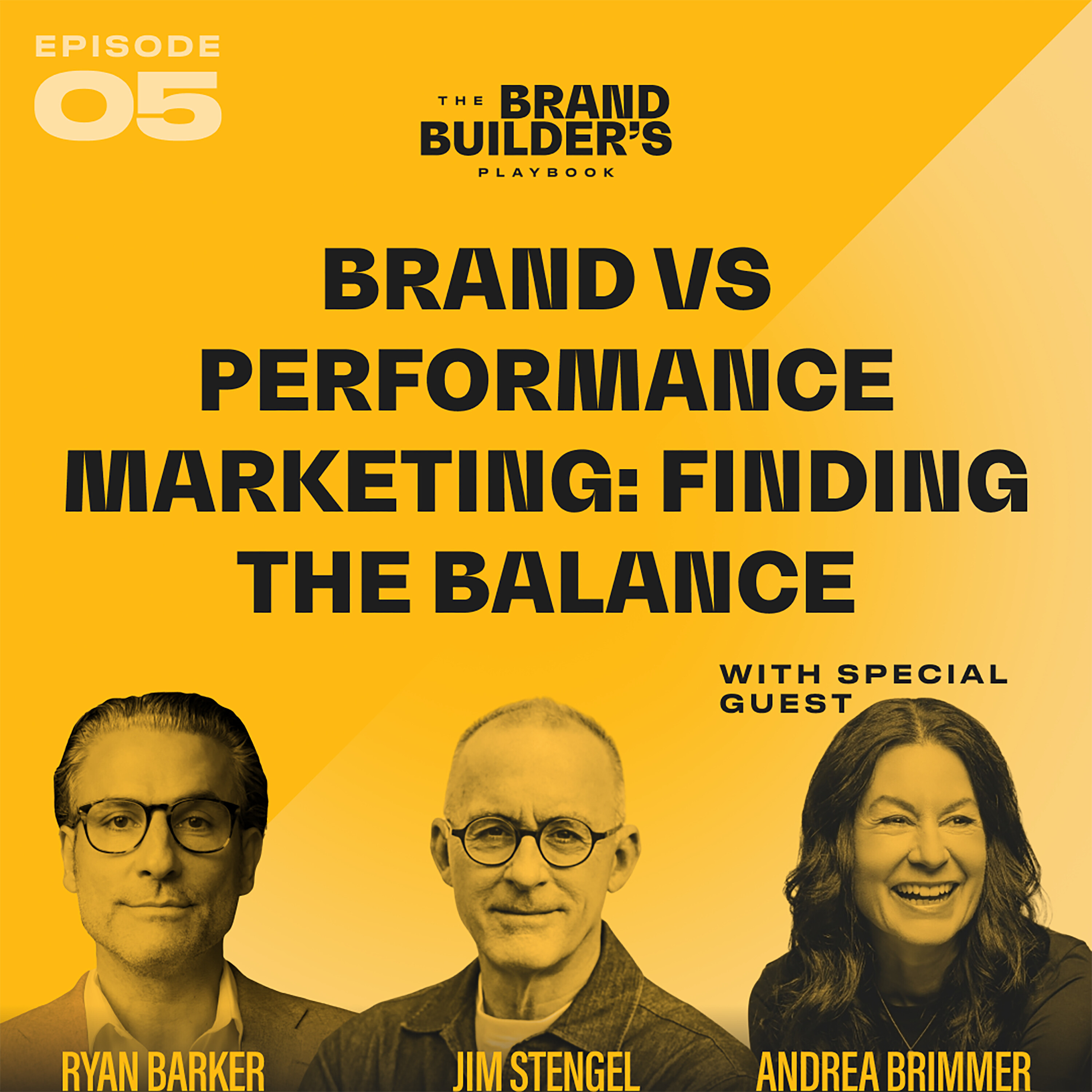
To get buy-in from financial stakeholders, translate the 'soft' concept of brand love into hard metrics. Loved brands can command higher prices, maximize customer lifetime value, and reduce customer acquisition costs through organic advocacy, proving brand is a tangible asset.

To achieve true alignment with sales, product, and finance, marketing leaders should avoid marketing jargon and subjective opinions. Instead, they should ground conversations in objective data about performance, customer experience gaps, or internal capabilities to create a shared, fact-based understanding of challenges.
Position marketing as the engine for future quarters' growth, while sales focuses on closing current-quarter deals. This reframes marketing's long-term investments (like brand building) as essential for sustainable revenue, justifying budgets that don't show immediate, direct ROI to a CFO.

Solely judging marketing by last-touch attribution creates a false reality. This narrow metric consistently favors predictable channels like search and email, discouraging investment in brand building and creative storytelling that influence buyers throughout their journey. It's a losing battle if it's the only basis for decision-making.