Get your free personalized podcast brief
We scan new podcasts and send you the top 5 insights daily.
To get buy-in from financial stakeholders, translate the 'soft' concept of brand love into hard metrics. Loved brands can command higher prices, maximize customer lifetime value, and reduce customer acquisition costs through organic advocacy, proving brand is a tangible asset.
Related Insights
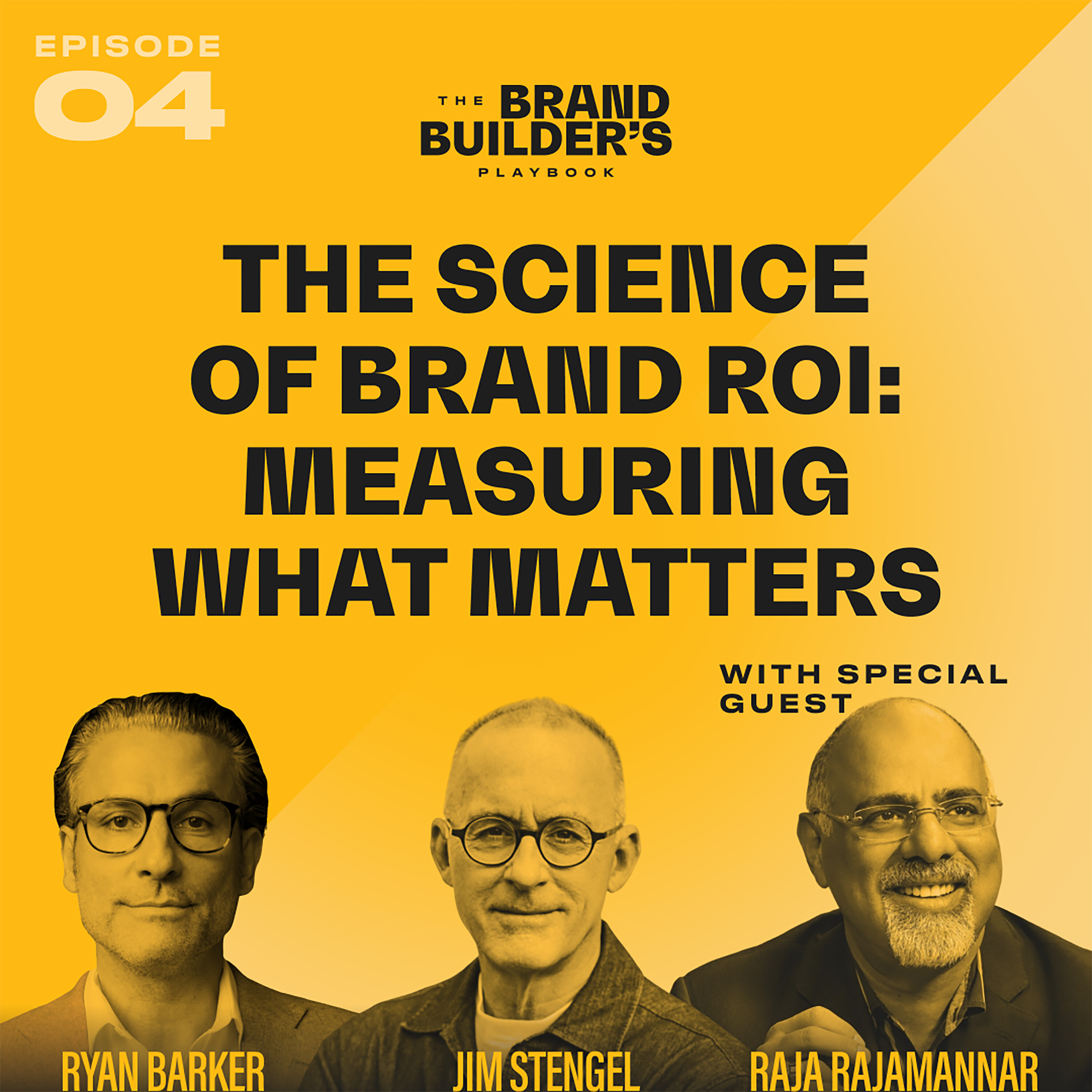
To convince a skeptical CFO who dismissed brand spend, MasterCard's CMO Raja Rajamannar pointed to her expensive Cartier watch. He explained that the significant price premium she paid over a functional, cheaper watch was the tangible, financial definition of brand value. This personal, disarming example immediately reframed the conversation.
Instead of pitching the abstract value of 'delight,' connect it to concrete business objectives. By asking a founder, 'Are users proud enough to recommend our product?' the focus shifted from a vague concept to a clear driver of word-of-mouth growth, making it easier to get buy-in.

Product marketers often struggle to prove direct ROI. By influencing pricing strategy, they can make a tangible and measurable impact on revenue and ARR. Pricing is a form of value communication—a core PMM competency—making it a natural area for them to lead and demonstrate their contribution to the bottom line.

To prove brand's financial impact, connect it to the three core levers of Customer Lifetime Value (CLV). A strong brand lowers customer acquisition costs, increases retention, and supports higher margins through pricing power. Since aggregate CLV is tied to firm valuation, this makes brand's contribution tangible to a CFO.
Stop viewing brand as a top-of-funnel activity. For elite companies, brand isn't a precursor to selling; it is the selling. It creates inbound demand that bypasses traditional conversion tactics like search ads or affiliate marketing, making it the most powerful and sustainable growth engine.

Data shows that adding brand marketing to a performance-driven engine can increase median ROI by 90%. The persistent tension between brand and performance stems from short-termism and the allure of easily measured clicks, creating a false dichotomy between two essential functions.
While views and followers are useful signals, the key business indicator of a successful personal brand is its effect on core financial metrics. Specifically, a strong personal brand should lower the company's customer acquisition cost (CAC). This provides a tangible, high-level metric to gauge the brand's real-world business value.

Repositioning Marketing Mix Modeling (MMM) from a purely financial ROI calculation to a measure of consumer response and brand health can secure broader organizational buy-in, especially from brand-focused teams.

In a crowded market, brand is defined by the product experience, not marketing campaigns. Every interaction must evoke the intended brand feeling (e.g., "lovable"). This transforms brand into a core product responsibility and creates a powerful, defensible moat that activates word-of-mouth and differentiates you from competitors.

To ensure brand is a shared responsibility, Ally includes brand health KPIs on the scorecards of the CEO, CFO, and other business leaders. This elevates brand from a marketing concern to a core business objective, fostering cross-functional alignment and accountability.