Get your free personalized podcast brief
We scan new podcasts and send you the top 5 insights daily.
To prove brand's financial impact, connect it to the three core levers of Customer Lifetime Value (CLV). A strong brand lowers customer acquisition costs, increases retention, and supports higher margins through pricing power. Since aggregate CLV is tied to firm valuation, this makes brand's contribution tangible to a CFO.
Related Insights
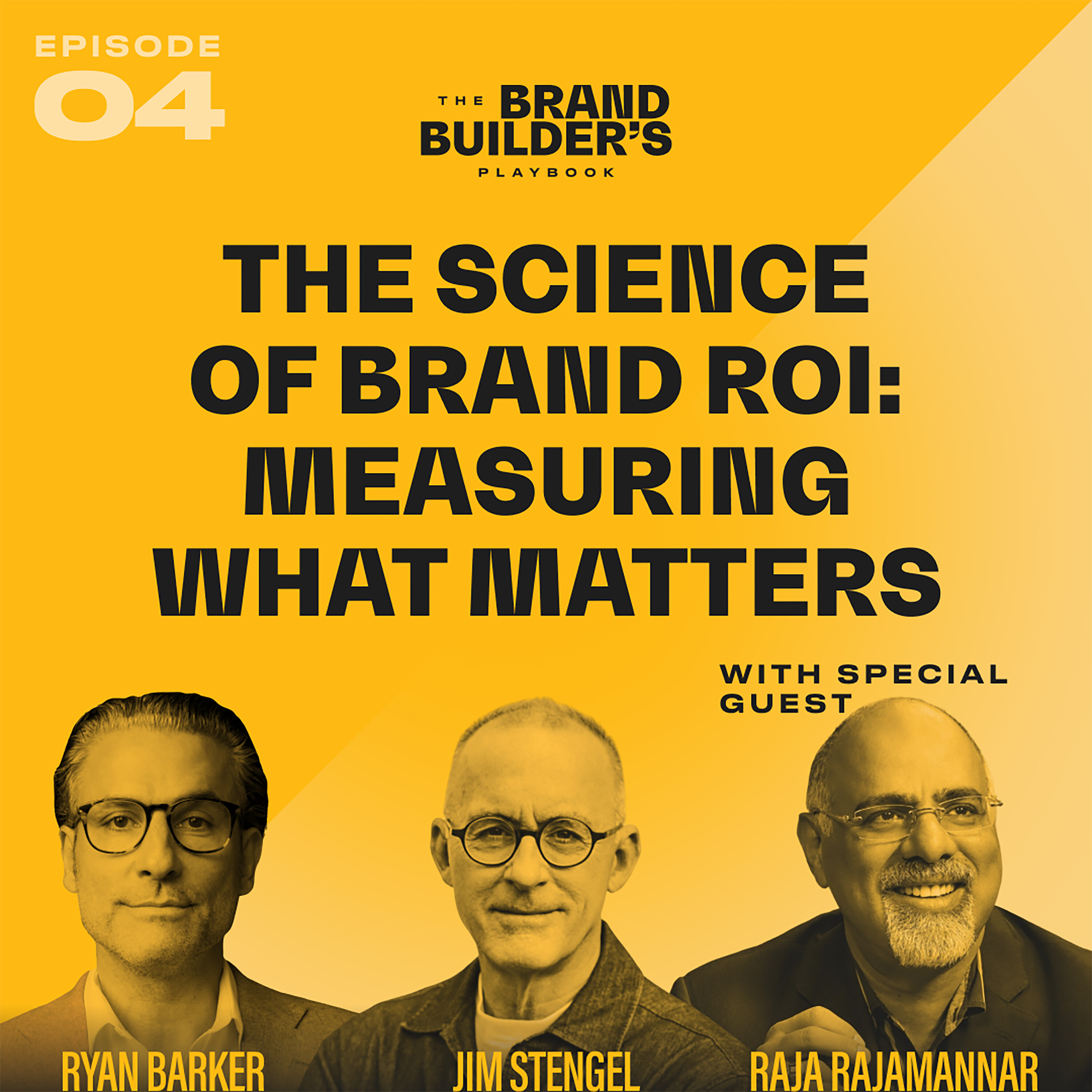
To convince a skeptical CFO who dismissed brand spend, MasterCard's CMO Raja Rajamannar pointed to her expensive Cartier watch. He explained that the significant price premium she paid over a functional, cheaper watch was the tangible, financial definition of brand value. This personal, disarming example immediately reframed the conversation.
Gap's Head of Digital argues that a lack of brand investment forces performance marketing to work harder and become less profitable. Strong brand relevance makes all other marketing efforts more efficient, creating a symbiotic relationship.

Stop viewing brand as a top-of-funnel activity. For elite companies, brand isn't a precursor to selling; it is the selling. It creates inbound demand that bypasses traditional conversion tactics like search ads or affiliate marketing, making it the most powerful and sustainable growth engine.

Data shows that adding brand marketing to a performance-driven engine can increase median ROI by 90%. The persistent tension between brand and performance stems from short-termism and the allure of easily measured clicks, creating a false dichotomy between two essential functions.
While views and followers are useful signals, the key business indicator of a successful personal brand is its effect on core financial metrics. Specifically, a strong personal brand should lower the company's customer acquisition cost (CAC). This provides a tangible, high-level metric to gauge the brand's real-world business value.

When challenged by an activist investor, Unilever demonstrated that its purpose-driven brands, like Dove and Hellmann's, outperformed others in its portfolio. They used hard KPIs such as pricing power, profitability, and pace of growth to prove that a strong purpose directly contributes to superior financial ROI.
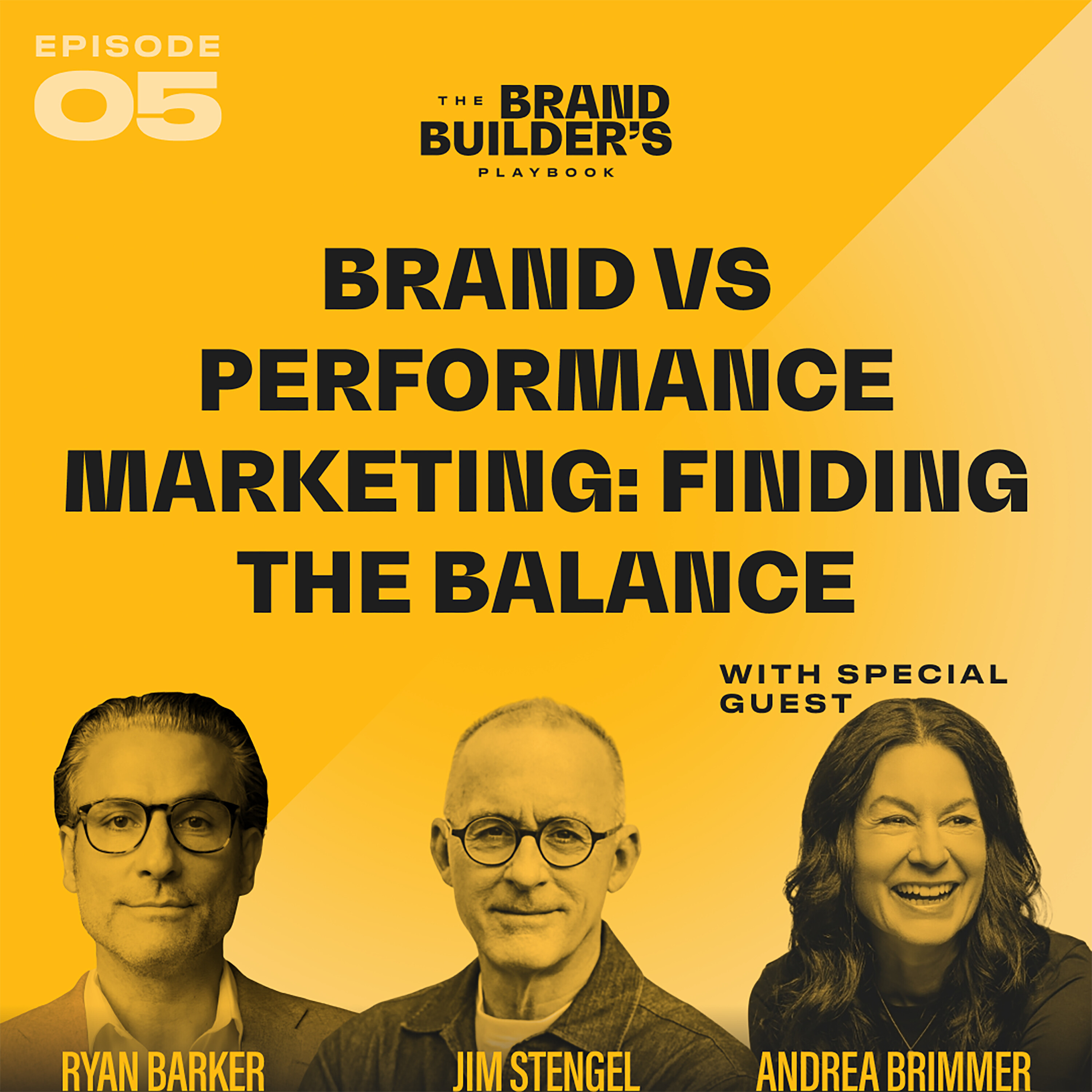
In a world demanding short-term results, brand marketing isn't a separate luxury. It is a critical investment that builds top-of-funnel awareness, ensuring that lower-funnel performance tactics have a sufficient audience to convert and ultimately work harder.

CLTV isn't just a metric; it's a strategic map. Understanding purchase frequencies and the entire customer lifecycle should be the foundation for creative choices, promotional timing, and messaging. Many brands neglect this, but it's the key to balancing acquisition with profitable retention.

Position marketing as the engine for future quarters' growth, while sales focuses on closing current-quarter deals. This reframes marketing's long-term investments (like brand building) as essential for sustainable revenue, justifying budgets that don't show immediate, direct ROI to a CFO.

To ensure brand is a shared responsibility, Ally includes brand health KPIs on the scorecards of the CEO, CFO, and other business leaders. This elevates brand from a marketing concern to a core business objective, fostering cross-functional alignment and accountability.