Get your free personalized podcast brief
We scan new podcasts and send you the top 5 insights daily.
ButcherBox validated its DTC meat concept by launching a Kickstarter campaign with a minimal $10,000 personal investment. The campaign's massive success, raising over $200k on a $25k goal, provided definitive product-market fit signals before committing capital to major operational expenses.

Related Insights
The old model of raising a large sum of money to build infrastructure is obsolete. Today, founders can and should validate their product and find customers with minimal capital *before* seeking significant investment, reversing the traditional order of operations.
For products with a short shelf life, building a pre-launch audience on social media is crucial. This ensures you have immediate demand for your first batch, preventing waste from unsold inventory and validating the product before it's even made.
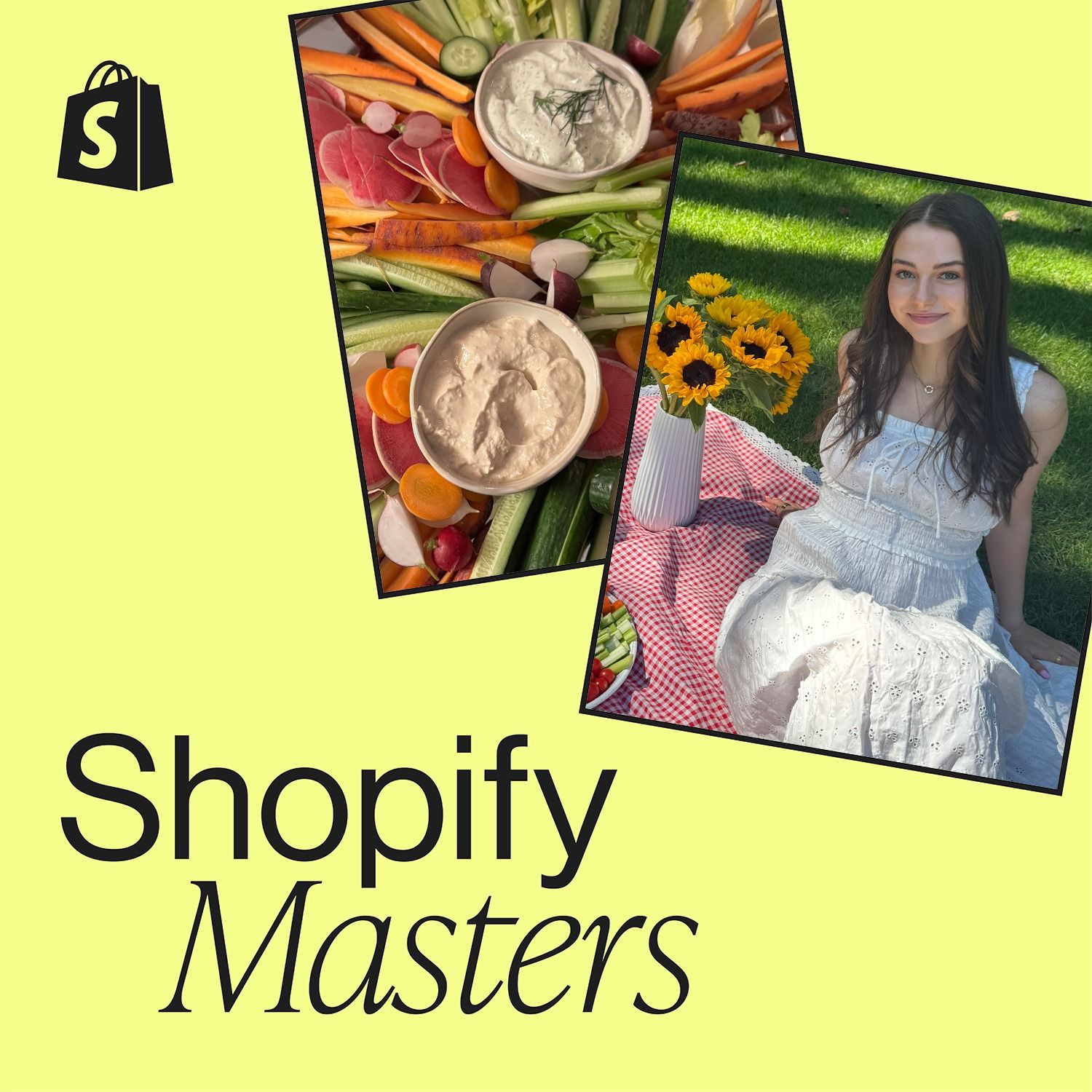
Peak Design's founder argues that Kickstarter is not a place to validate if people want a product. Instead, it should be treated as a powerful sales and marketing channel for products that are well-developed and known to solve an obvious problem. Success hinges on pre-existing product-market fit, not on discovering it.
Moiz Ali de-risked his $100M CPG company by first identifying that natural deodorant was a top seller on Etsy. He then contacted a maker on the platform to white-label the initial product. This allowed him to validate market demand and test distribution before investing in R&D or manufacturing.

Instead of traditional funding, Jing used Kickstarter to pre-sell her product. This not only raised capital but also proved market demand and built a community of understanding early backers who were patient with initial production delays, a crucial buffer for a new CPG brand.

To test an idea cheaply, create a waiting list campaign instead of building a product. The number of signups is a powerful validator of market demand. The speaker validated one idea with 4,500 signups, which helped raise £250,000 in a week.

By avoiding VC funding, ButcherBox was forced to acquire customers profitably from their first purchase. This constraint led them to a sustainable influencer affiliate model with recurring payouts, a stark contrast to the cash-burning Facebook ads common among their funded competitors.
Unbound Merino used its Indiegogo campaign as a definitive test for market demand, not just a funding tool. This framed the effort as a win-win: either a successful business would be born, or the founder would get a box of the custom t-shirts he personally wanted.
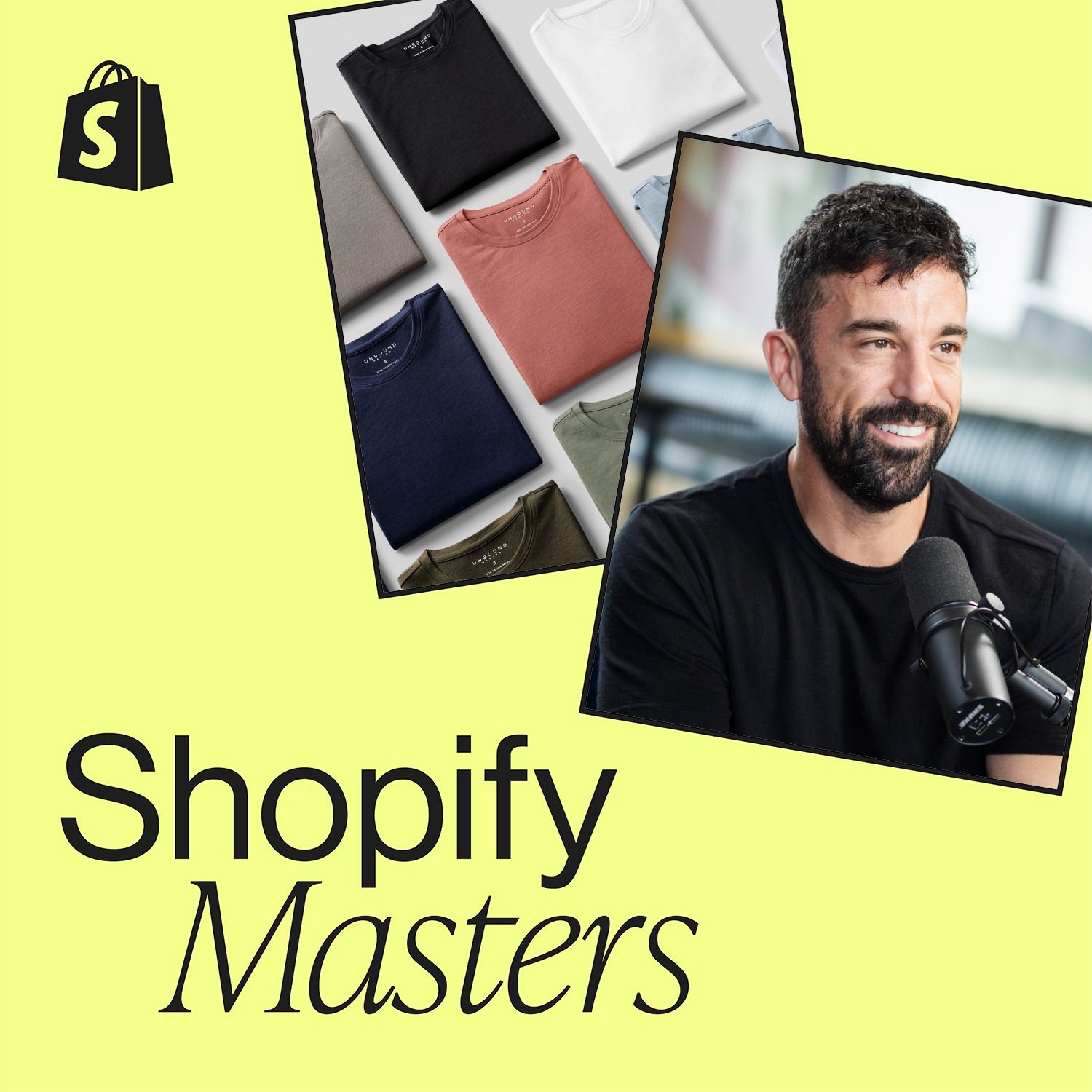
Instead of investing time and money building a product, validate the idea by pre-selling it using the "Kickstarter method." This confirms market demand upfront. If people buy, you build it; if not, you've avoided a costly mistake with minimal effort.
Atlas Bar's founder challenges the belief that CPGs require massive upfront capital. He de-risks by testing concepts cheaply, committing more funds only after seeing resonance. His most recent brand cost just $340 for design before a larger inventory purchase, proving the lean startup model is viable for physical products.
