Get your free personalized podcast brief
We scan new podcasts and send you the top 5 insights daily.
By avoiding VC funding, ButcherBox was forced to acquire customers profitably from their first purchase. This constraint led them to a sustainable influencer affiliate model with recurring payouts, a stark contrast to the cash-burning Facebook ads common among their funded competitors.

Related Insights
Facing hundreds of "no's" from investors forced Figs to operate with extreme capital efficiency from day one. This constraint, born out of necessity, led them to build a highly profitable and sustainable business model that wasn't reliant on continuous fundraising.

The startup world presents a false dichotomy: venture-backed unicorn or "lifestyle business." Jesse Puji identifies a market for "seed strapping," offering a single $1-2M round to help founders build resilient, profitable "camels" without the pressures of the traditional VC track.

By mindfully rejecting a "growth at any cost" approach and external funding, Hostinger was forced to maintain fiscal discipline from day one. This bootstrapped mindset became a competitive advantage when the market shifted, as the company was already operating under the sustainable, cash-flow positive rules its VC-backed competitors suddenly had to adopt.

The founders intentionally remained self-funded, believing that investor capital leads to wasteful spending. By staying "hungry," they forced themselves to operate efficiently, ensuring growth was driven by genuine customer demand rather than by a pressure to spend outside capital.

The founders delayed institutional funding to protect their long-term brand strategy. This freedom allowed them to avoid paid ads, which a VC might have demanded for quick growth, and instead focus on building a more powerful and sustainable word-of-mouth engine first.
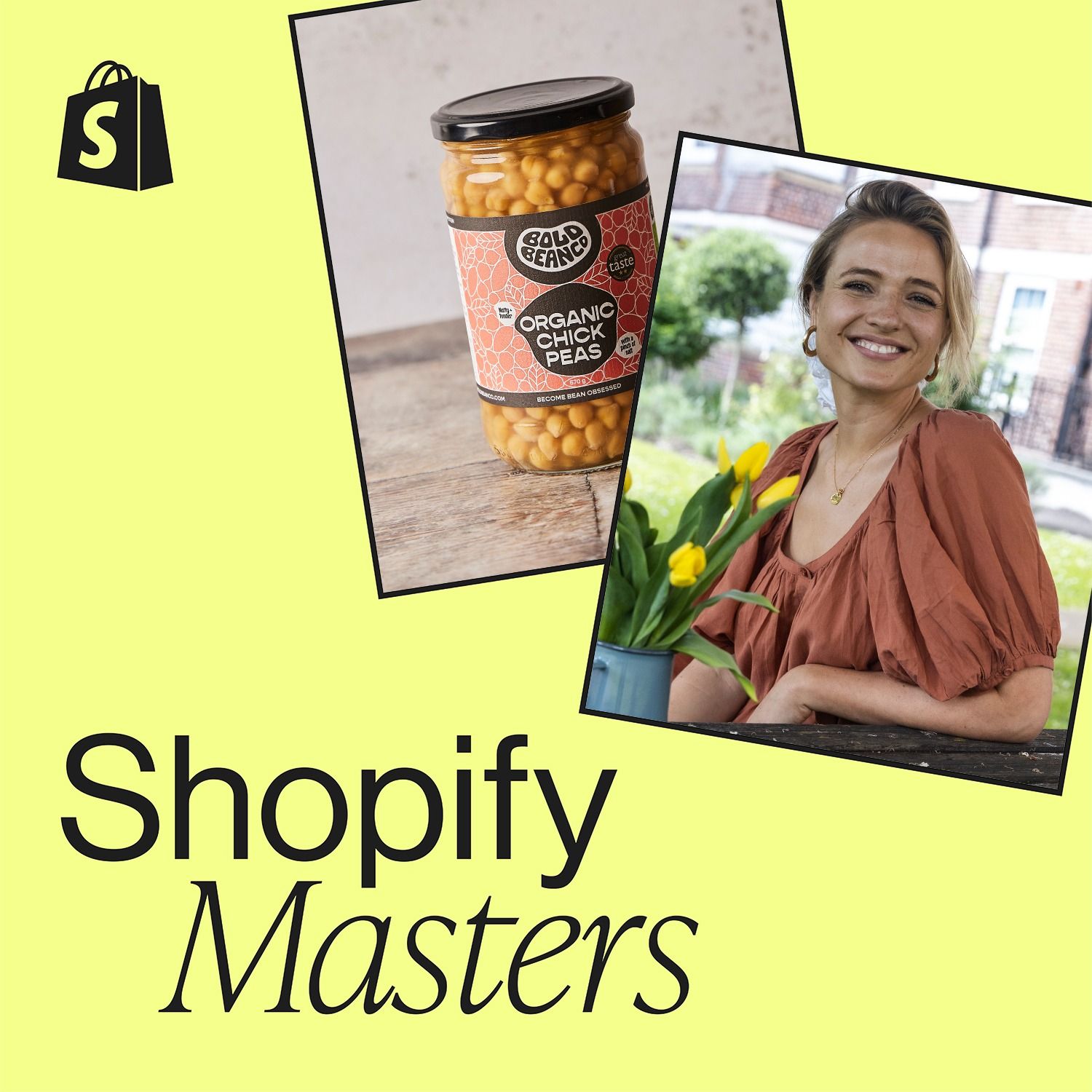
OtterBox founder Curt Richardson believes starting with limited capital is an advantage. It forces resourcefulness and innovation in operations and go-to-market strategy, not just in product development, which ultimately builds a stronger business and founder.
Matt Paulsen's decision to bootstrap his company wasn't a strategic philosophical choice; it was a practical necessity. Starting his business in a small college town in South Dakota meant there was no venture capital ecosystem to tap into. The lack of options forced a path of self-sufficiency.
Venture capital can create a "treadmill" of raising rounds based on specific metrics, not building a sustainable business. Avoiding VC funding allowed Donald Spann to maintain control, focus on long-term viability, and build a company he could sustain without external pressures or risks.
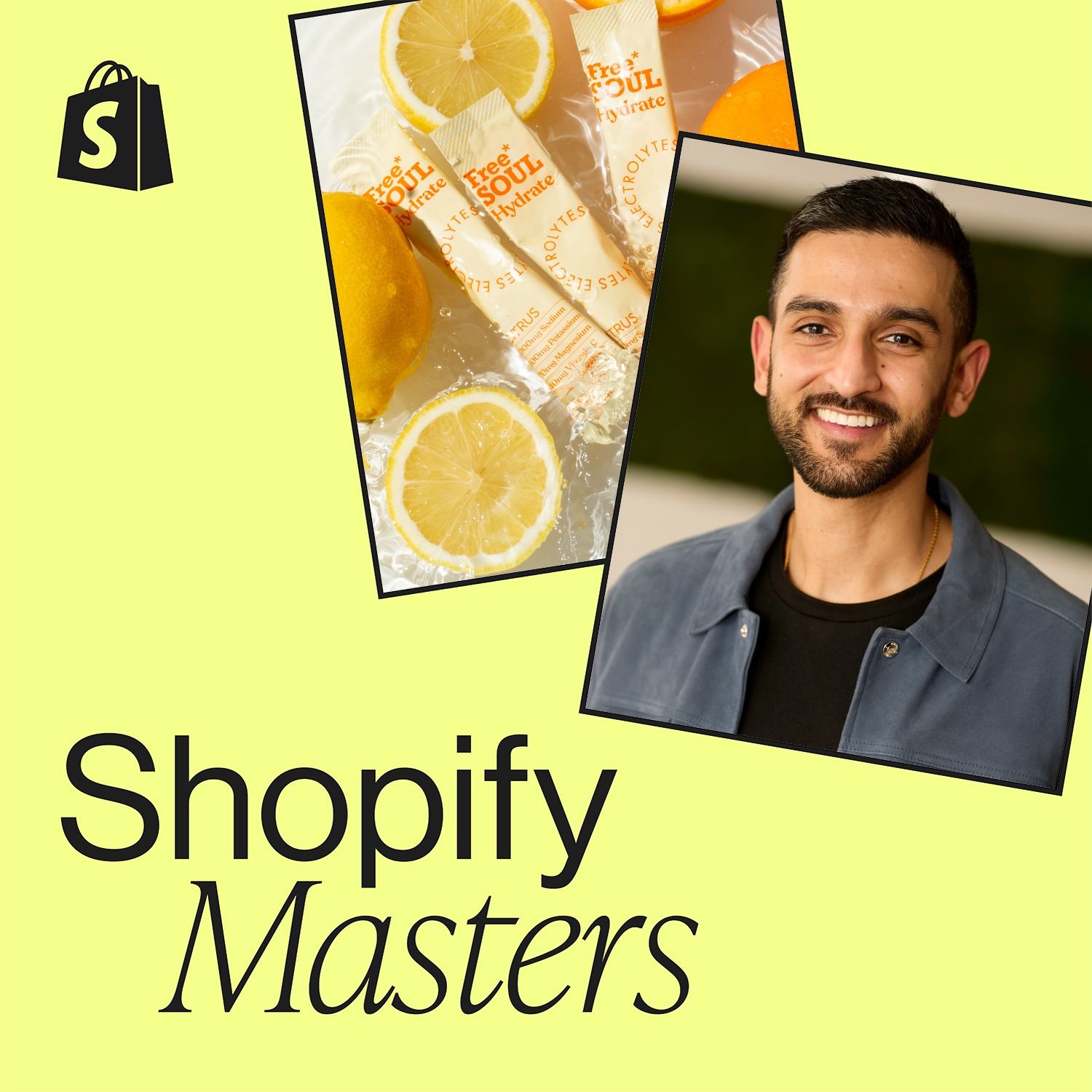
Without VC funding, Free Soul couldn't afford to acquire customers at a loss. Their core financial rule was that customer acquisition costs must be lower than the gross margin on the very first purchase, a strict focus on unit economics that fueled their sustainable growth.
A market that maxes out at a few million in ARR is a failure for a VC-backed company needing a massive return. For a bootstrapper, it can generate life-changing personal income. This mismatch allows bootstrappers to thrive in valuable markets that are, by definition, too small for VCs to target effectively.
