Get your free personalized podcast brief
We scan new podcasts and send you the top 5 insights daily.
For products with a short shelf life, building a pre-launch audience on social media is crucial. This ensures you have immediate demand for your first batch, preventing waste from unsold inventory and validating the product before it's even made.

Related Insights
Ramli John launched his paid beta program after writing only two of twenty chapters. This allowed him to gather market feedback exceptionally early, co-create the product with his most dedicated users, and pivot based on their input, significantly de-risking the final launch.

Instead of viewing pre-orders as a customer inconvenience, a founder was advised to reframe them as a community-building tool. By being transparent and offering a small discount, a brand can create loyal early supporters who feel invested in the company's journey.

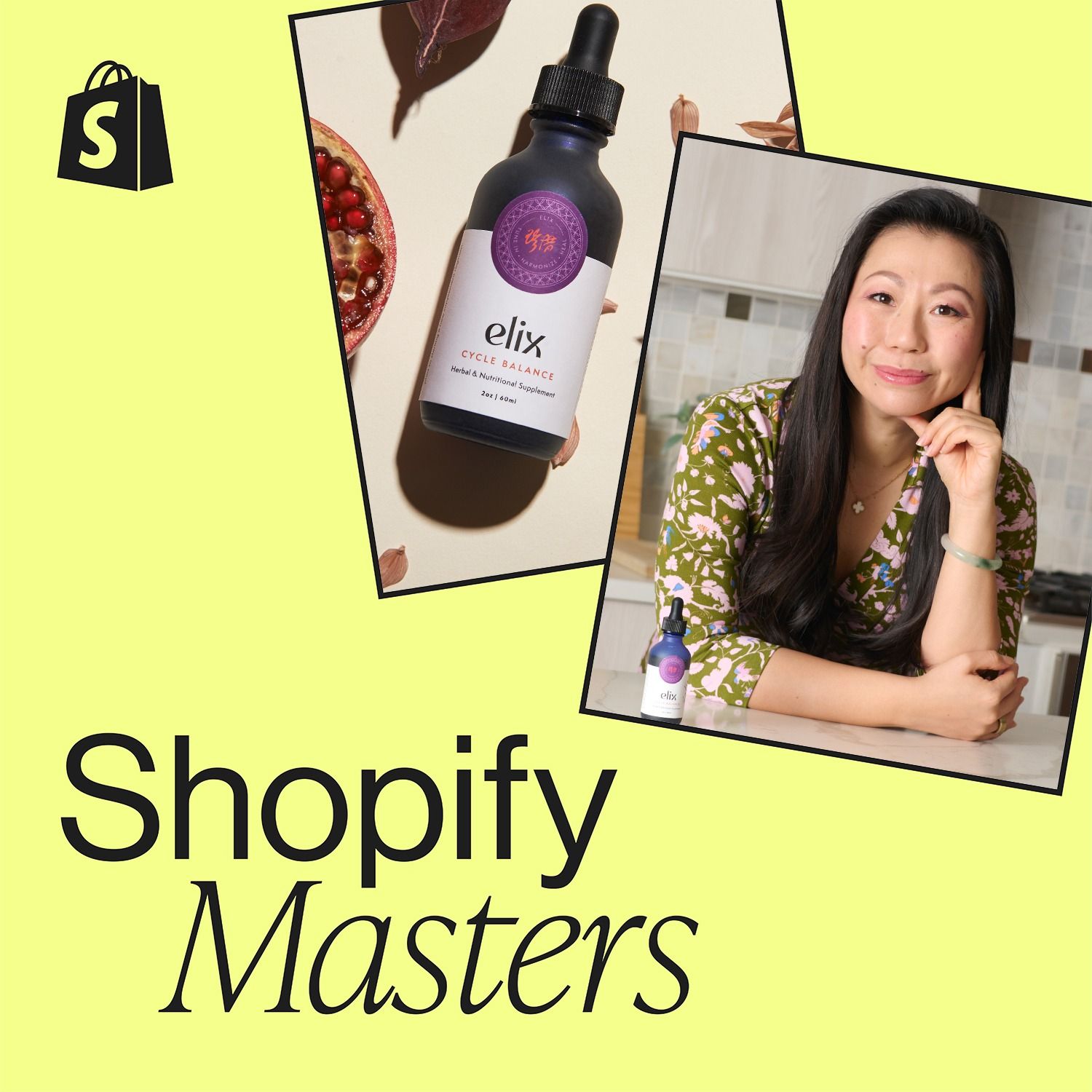
Elix founder Lulu Ge launched a beta test called "#periodpainfree" with basic packaging. This allowed her to gauge real-world demand from strangers online before committing resources to a full brand launch, proving the concept's viability cheaply and effectively.
Rushing to market without validation is a recipe for failure. Instead, engage potential buyers and proposition leads as 'critical friends' in focus groups. Use their feedback to build a white paper, refine messaging, and create a product they actually need, even if it takes a year.

Entrepreneurs often obsess over perfecting their product while neglecting the system to reach customers. Building a consistent distribution engine, like a social media channel or email list, is more critical than creation because it ensures your high-value offer is actually seen by the market.

Never start a business without first validating demand by securing commitments from at least three initial clients. This strategy ensures immediate revenue and proves product-market fit from day one, avoiding the common trap of building a service that nobody wants to buy.

Friends provide biased feedback. For a truer market signal, launch a waitlist for your product on a relevant, niche online community like Hacker News. The volume of sign-ups from your target audience provides a far more realistic and valuable measure of initial demand than conversations with your personal network.

Instead of paying for traditional focus groups, early-stage founders can post product ideas, like packaging designs, on social media. This provides an instantaneous and free feedback loop directly from potential customers, enabling rapid, data-informed iteration before committing to costly production.
Instead of a traditional product launch, gauge market interest by tweeting about a personal problem and asking if others share it, framed as "Thinking of building an app...". This validates the idea and creates an initial beta list from interested replies before you invest heavily in development.

Launching a product demo at a major event months before it's ready is a huge risk. Mitigate this by creating a follow-up campaign, like a crowdfunding pre-order system, that builds excitement and captures early adopters while you finalize the product.