Get your free personalized podcast brief
We scan new podcasts and send you the top 5 insights daily.
The Iranian populace is exhausted with theocratic rule after five decades. Any future authoritarian leader will likely be a product of the intelligence or security services, appealing to nationalism rather than revolutionary ideology. The era of the turban-wearing ruler is over.

Related Insights
The US raid to capture Venezuela's president has sparked talk within Iran's elite about a similar "solution": removing Supreme Leader Khamenei to appease protestors and preserve the system, rather than allowing it to collapse entirely under external and internal pressure.
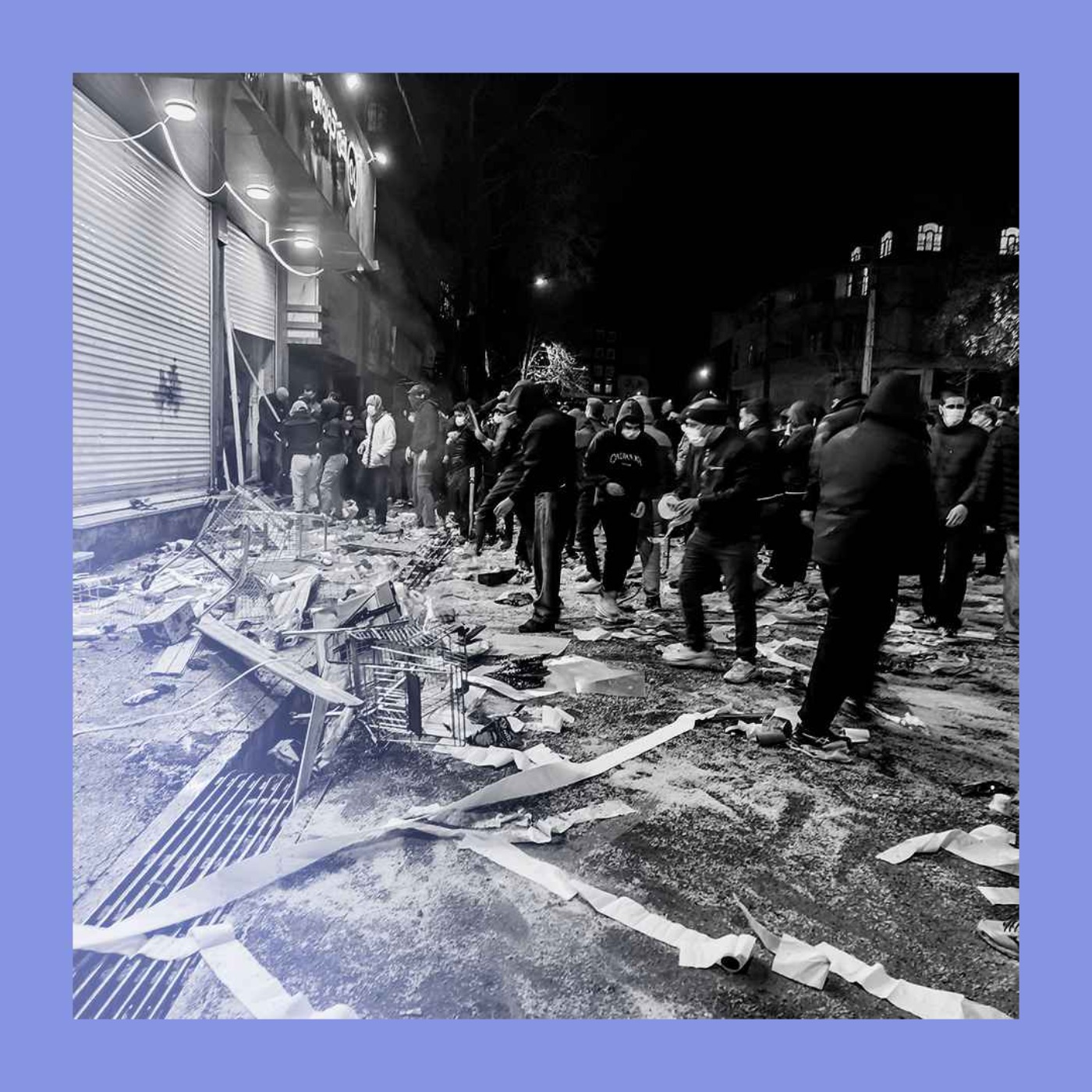
Meaningful reform in Iran is unlikely until the succession of the 86-year-old Supreme Leader is resolved. Deep uncertainty over who will hold power paralyzes the political system, preventing any faction from making significant changes and forcing the country into a holding pattern until the leadership transition occurs.
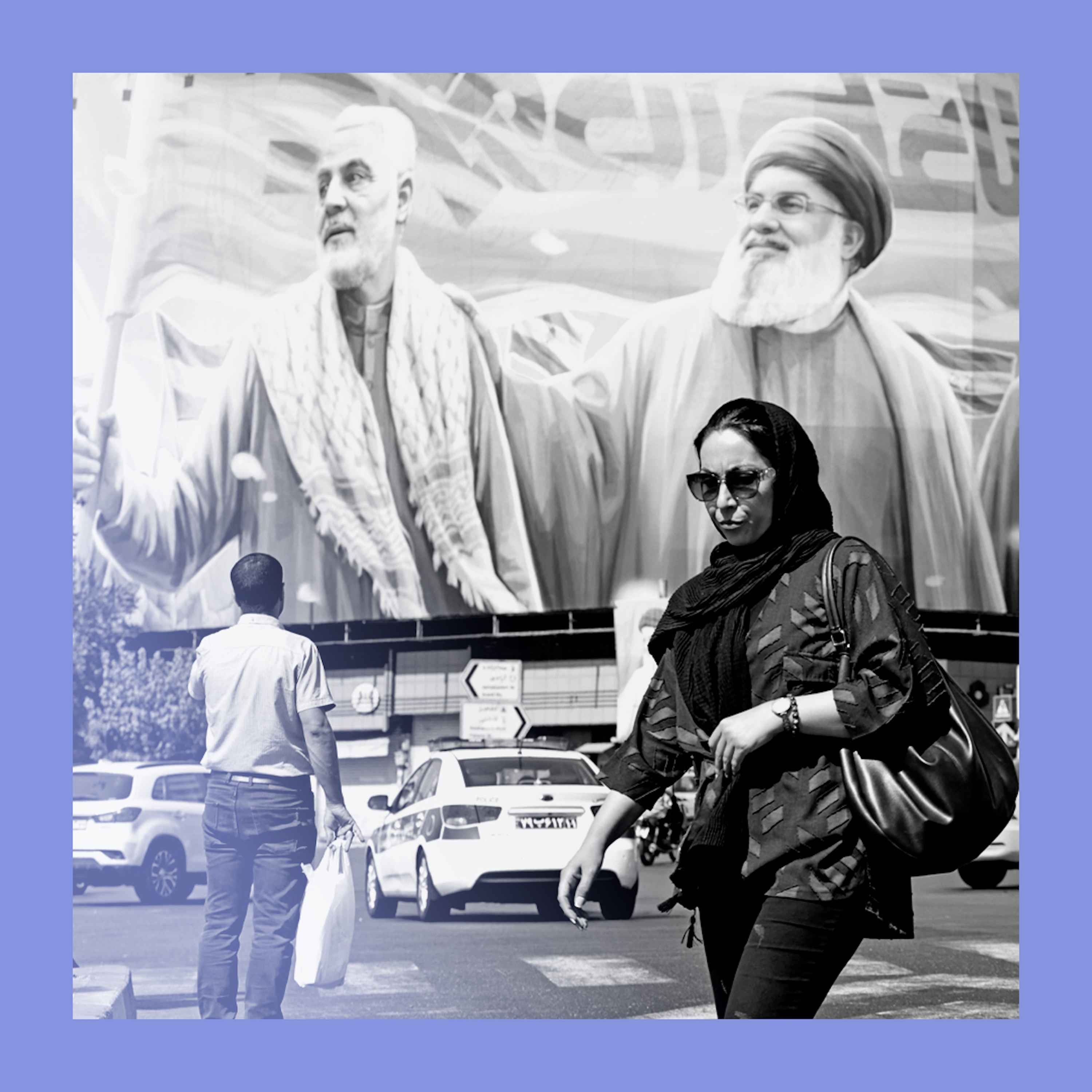
The Islamic Revolutionary Guard Corps (IRGC) has eclipsed the clergy, controlling major political and economic institutions. Ayatollah Khamenei maintains power through a symbiotic relationship with the IRGC, leveraging their military and economic might, rather than just religious authority.
Iran is at a critical inflection point as its aging and ill Supreme Leader, Ayatollah Khamenei, has no clear successor. The constitutional requirements for the role were tailored specifically for his predecessor, Khomeini. With no one in the wings who meets the criteria, the country faces significant instability upon his death.

Young Iranians, with no memory of the Shah's era, embrace a romanticized vision of pre-1979 Iran's social freedoms and global standing. This nostalgia, combined with the regime's suppression of internal leaders, has elevated Reza Pahlavi as a symbolic, default leader for a nationalist reclamation.
The ruling elite has inverted from 80% ideologues at the revolution's start to 80% charlatans today. Expedience and financial gain, not revolutionary zeal, now bind the regime's core. This ideological hollowness makes the regime more brittle than its rhetoric suggests.
The progression of protest slogans from demanding a vote recount in 2009 ('Where is my vote?') to calling for regime overthrow today ('Death to the supreme leader') indicates a fundamental change. Protestors no longer seek to work within the existing system but aim to dismantle it entirely.

The current Iranian protests are uniquely potent because the regime is at its weakest geopolitically. The loss of regional proxies like Hezbollah and Hamas, coupled with key ally Russia's preoccupation with Ukraine, has left the Iranian government more isolated and vulnerable than during any previous wave of unrest.
Dara Khosrowshahi theorizes the Shah of Iran's regime collapsed because he modernized too fast, focused excessively on military power over industrial growth, and failed to bring along rural populations and integrate Islam into his vision, creating a power vacuum for the Islamic regime to exploit.

Unlike nascent revolutionary states that rally against foreign attacks, late-stage dictatorships are weakened by military defeats. Iran's recent humiliations by Israel and the US have exposed incompetence and eroded the public's perception of strength, fueling protests and accelerating the regime's demise.