Get your free personalized podcast brief
We scan new podcasts and send you the top 5 insights daily.
Paying a student to achieve a high academic bar (e.g., $1000 for top 1% scores) is a powerful tool. It's not about creating dependency on money; it's about catalyzing an identity shift. Once a student sees themselves as capable of excellence, their intrinsic motivation takes over, and the external reward is no longer needed.

Related Insights
The simple act of investing your own money in personal development creates a psychological shift. This financial commitment boosts your sense of self-worth and dedication to improvement, making you more likely to engage and grow, independent of the course content.

Salespeople need specific, tangible goals to pull them through daily rejection. Abstract goals like 'providing for my family' are less effective than concrete objectives like earning a specific commission check or buying a boat, as these provide a more visceral and immediate motivational pull.

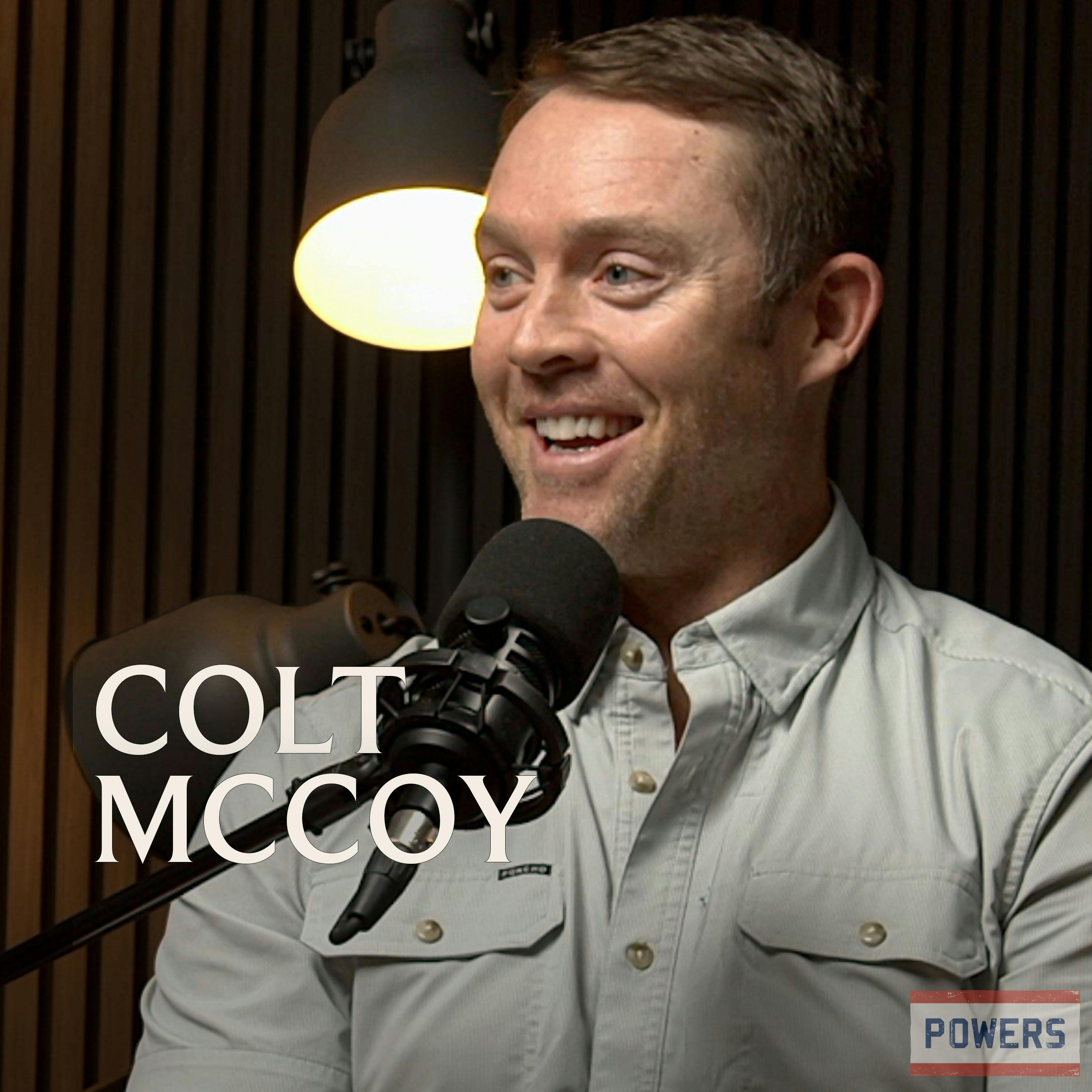
To combat perceptions of favoritism, Colt McCoy's father, who was also his high school coach, intentionally held him back and set higher expectations. This forced McCoy to earn his starting position beyond any doubt, a process that built resilience and a powerful work ethic.
A highly successful salesperson, unmotivated by money, was reignited by a specific, tangible goal: a Harley Davidson his wife wouldn't let him buy. This shows that the motivational trigger for top performers can be surprisingly small and personal once financial security is achieved.

Research shows that sprinkling achievement-oriented words (e.g., “win,” “master,” “succeed”) into instructions primes people for success. Participants in studies performed better on tasks, were twice as willing to persist, and experienced physiological changes in dopamine and testosterone levels.

To unlock powerful intrinsic motivation, leaders should connect sales activities to reps' personal ambitions, like saving for a child's college. This personal "why" creates a deep-seated resilience that corporate targets alone cannot provide.

Contrary to the belief that making things easy fosters happiness, Alpha School proves that students thrive on high standards. Accomplishing genuinely difficult tasks with adult support builds true self-confidence and engagement, making them love school and preventing the disengagement that often leads to mental health issues.
While rewards can remind people of expectations, they are poor at building skills. Research shows a strong negative correlation between using external rewards (e.g., money) and developing intrinsic motivation. The more you motivate externally, the more you may weaken internal drive.

Top performers are often driven by an internal desire to excel. Awarding them ownership as a gift, rather than an earned opportunity, can replace this powerful intrinsic motivation with a transactional one, potentially diminishing their drive.

Free advice is often ignored. The act of paying for a mentor—the transaction itself—creates a powerful commitment mechanism. This financial investment ensures you value the guidance, pay attention, and are more likely to implement it, dramatically accelerating your progress and helping you avoid costly mistakes.
