Get your free personalized podcast brief
We scan new podcasts and send you the top 5 insights daily.
In a market dominated by 'broadliners' like Cisco that carry everything, specialty distributor Baldor thrives by being a 'highliner.' This strategy focuses on a curated, high-quality assortment and expert merchandising, differentiating on quality and expertise rather than sheer SKU count.

Related Insights
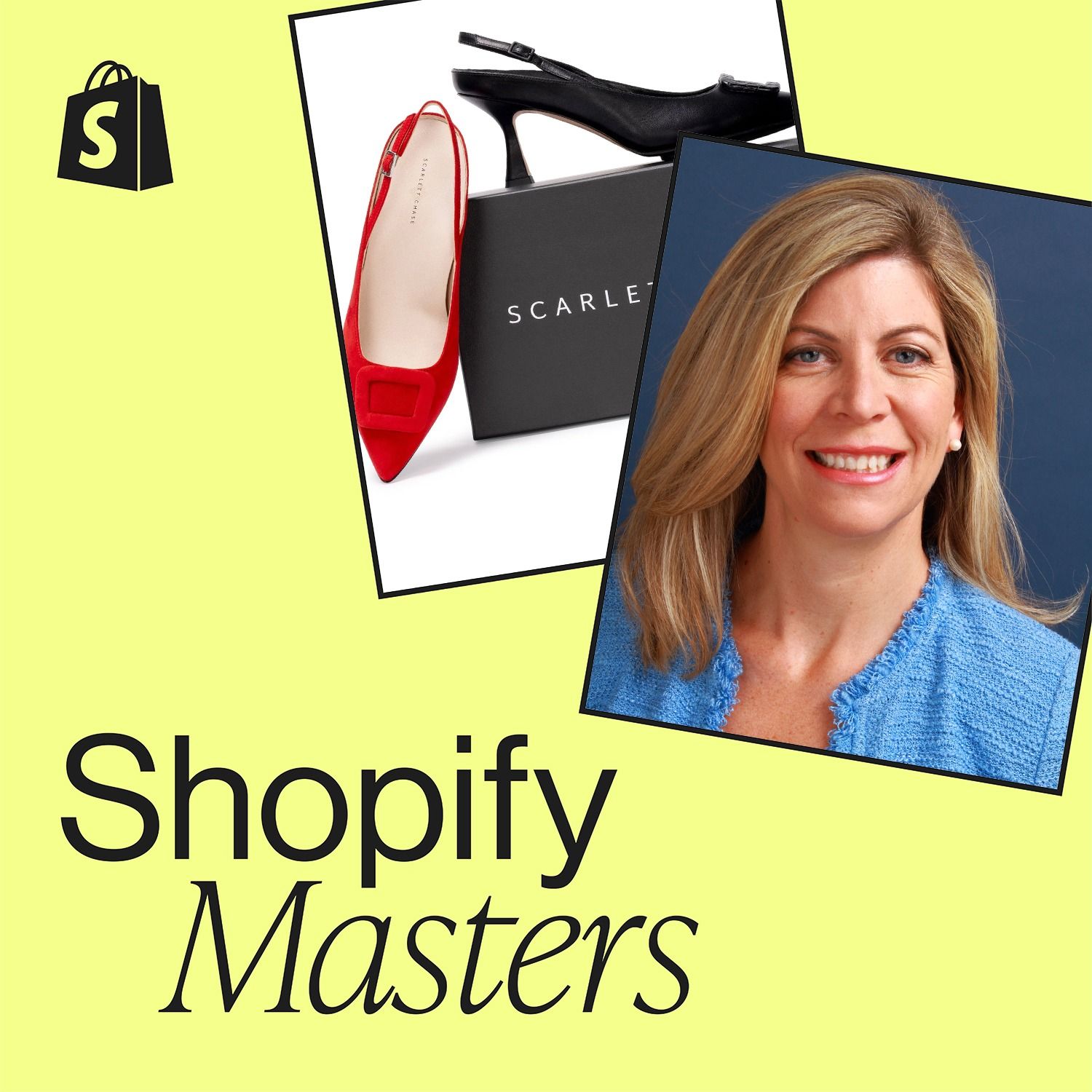
Instead of lowering prices to capture a wider audience, Scarlet Chase embraces a high-end niche. The founder's philosophy is that diluting the product's quality for broader appeal is a mistake. The strategy is to deliver exceptional value to a focused group of customers who can afford and appreciate the investment.
The company's success with wine taught them a core merchandising principle: act as a trusted curator, not a passive landlord. They apply the wine merchant model—selecting interesting, small-batch items and telling their stories—to everything from nuts to frozen meals, building a brand based on discovery.
Jane Wurwand advises a premium food startup to avoid large supermarkets early on. Big chains demand high volume and have long payment cycles that can crush a new business. Instead, focus on small, high-end local grocers where the brand story can shine and payment terms are more manageable.

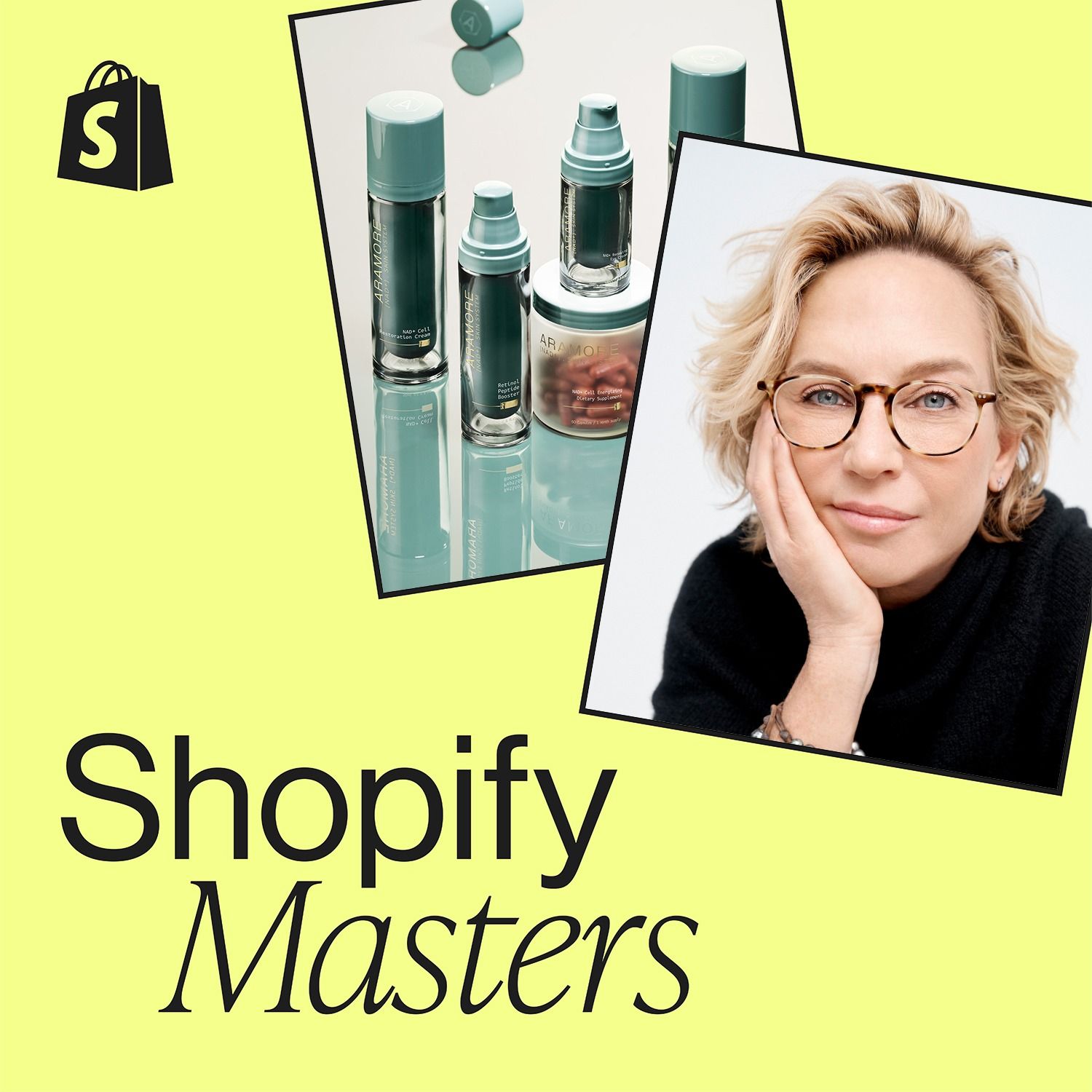
Brands with unique technology should resist broadening their product line with items that don't feature that core differentiator. Aramore made this mistake by adding non-NAD products and later corrected course, realizing their strength lies in going deep on their unique value proposition.
For a new, bootstrapped D2C brand deciding between more products or more marketing, the advice is to emulate In-N-Out Burger. By limiting SKUs and focusing cash on marketing proven winners, a brand can build momentum more effectively than by diluting its efforts on unproven product extensions.
Instead of mass-market appeal, La Colombe focused on becoming the coffee supplier for the world's best restaurants. They believed that if they could win over the most discerning palates, their reputation for quality would cascade down to the general public, creating an unassailable brand.
Faced with 650+ competitors, Streaky Bay Distillers was advised by Steve Ells to focus intensely on their unique, foraged-botanical gin. This mirrors Chipotle's strategy of doing a few things exceptionally well rather than offering broad variety. A cohesive, focused brand resonates more than a diluted one.
Costco's success stems from its radically limited selection (~4,000 SKUs). This deliberate constraint creates a powerful flywheel: it makes them a critical partner for every vendor, enables deep product expertise for buyers, and drives rapid inventory turnover, resulting in a negative cash conversion cycle.

Counterintuitively, focusing on a single, powerful SKU can be more effective for initial growth than launching a full product line. It simplifies your message, makes you attractive to distributors who value efficiency, and builds a strong customer base before you introduce new offerings.
Before its acquisition, Diapers.com was outselling Amazon 3-to-1 in Pampers, an identical product. The reason: a descriptive, specialist brand name implies expertise and builds consumer trust. Customers subconsciously believe a store named for a specific category knows more about it than a generalist retailer, creating a powerful competitive edge.
