Get your free personalized podcast brief
We scan new podcasts and send you the top 5 insights daily.
The company's success with wine taught them a core merchandising principle: act as a trusted curator, not a passive landlord. They apply the wine merchant model—selecting interesting, small-batch items and telling their stories—to everything from nuts to frozen meals, building a brand based on discovery.
Related Insights
While competitors invest heavily in loyalty programs and analytics to personalize offers, Trader Joe's collects no individual customer data. This is a strategic choice to simplify operations, reduce overhead, and build trust by offering a consistently good experience to all shoppers, rather than a fragmented one.
Traditional supermarkets derive significant revenue from suppliers through slotting fees and co-op marketing. Trader Joe's rejects this entire "shadow economy," making money only when a customer buys a product. This aligns their incentives completely with the customer, ensuring shelf space is earned by demand, not supplier payments.
Unlike most retailers who apply a consistent markup percentage, Trader Joe's prioritizes the absolute dollar profit per item. They will gladly accept a lower margin percentage on a higher-priced item if it generates more cash profit per unit of scarce shelf space, optimizing for their key constraint.
Unlike competitors whose store brands are cheaper versions of national products, Trader Joe's mandates that its private label items offer a unique value proposition. This could be a novel ingredient, unique packaging, or a better price on a superior item, reinforcing their brand as an innovator, not a discounter.
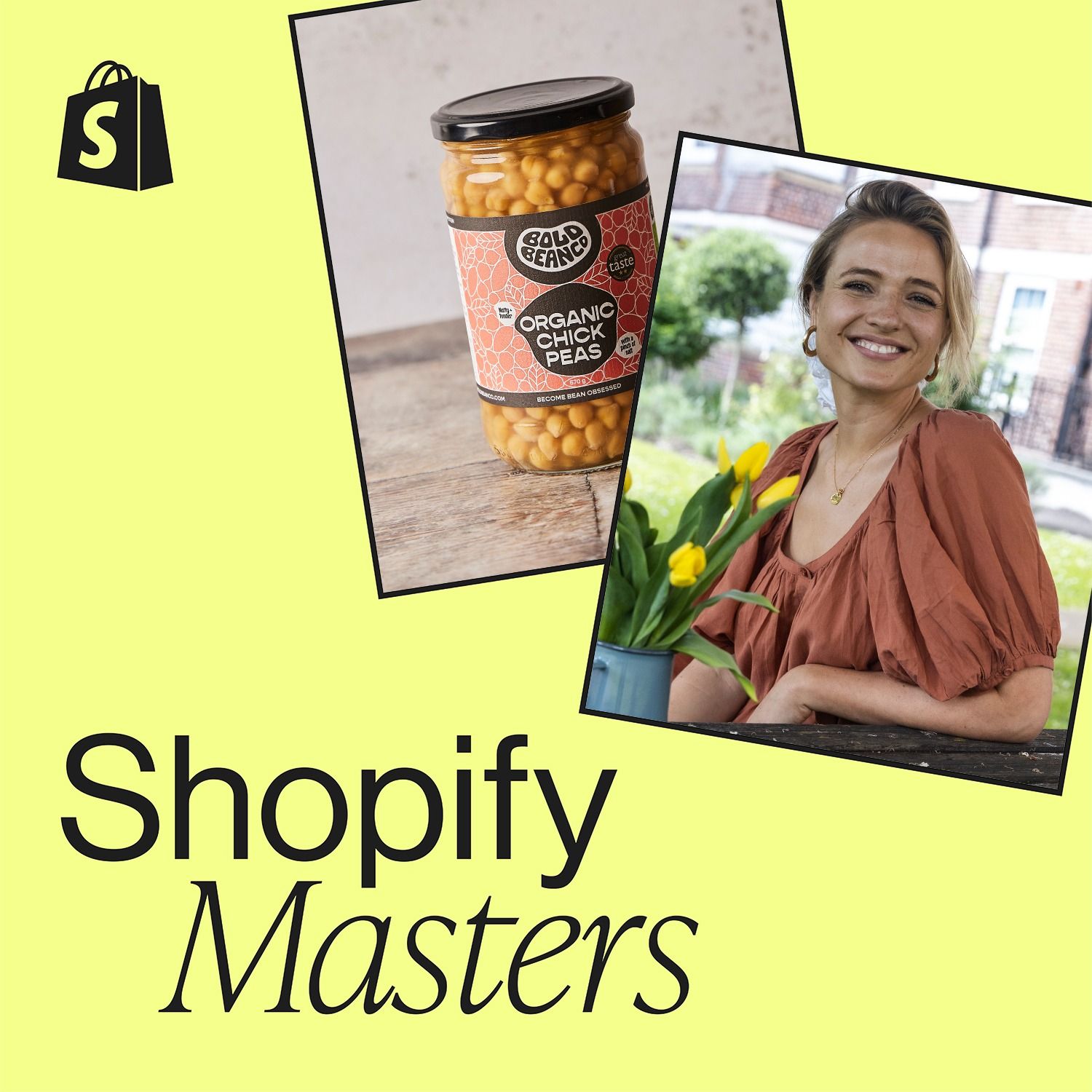
The brand used clear glass jars, initially a byproduct of a superior cooking method, to showcase the beans' quality. This transparency shifted consumer perception from a hidden pantry staple to a premium, display-worthy ingredient, justifying a higher price point.
Chomps' first major retail partner, Trader Joe's, operates uniquely by handling all in-store marketing and merchandising. This simplicity allowed the two-person founding team to scale into retail without needing a massive operations team, de-risking a critical growth phase.

Counterintuitively, Trader Joe's rejects the retail gospel of efficiency. Small stores and stocking during open hours create a bustling, high-interaction environment. This fosters a sense of community and social connection, which is a key part of the value proposition for its core demographic of young professionals and retirees.
Like Sol Price at Costco, founder Joe Coulombe was a retail genius who perfected the Trader Joe's model but had no interest in national expansion. He intentionally kept the chain small and local. It was his successor, John Shields, who took the proven playbook and executed the national growth strategy.
Founder Joe Coulombe identified two macro trends—rising college education (GI Bill) and accessible international travel (Boeing 747)—to define a new customer segment. This group valued sophistication and novelty but was price-conscious, a niche ignored by mass-market grocers.
For premium brands like Coterie, the choice of retail partner is a branding decision. A retailer's reputation for quality reinforces the product's own values, while a poor retail environment like a messy shelf can actively dilute brand equity.