Get your free personalized podcast brief
We scan new podcasts and send you the top 5 insights daily.
Instead of mass-market appeal, La Colombe focused on becoming the coffee supplier for the world's best restaurants. They believed that if they could win over the most discerning palates, their reputation for quality would cascade down to the general public, creating an unassailable brand.

Related Insights
To land their first account, the founders walked into the kitchen of the nation's #1 restaurant, uninvited, and prepared their coffee directly for the demanding chef. The product's quality spoke for itself, securing the deal on the spot and creating immediate industry buzz.
La Colombe's first private equity investors wanted to rapidly expand their retail footprint, but the founders saw the future in ready-to-drink cold brew. This fundamental strategic disagreement led the founders to buy out the investors just 52 days after the first board meeting.
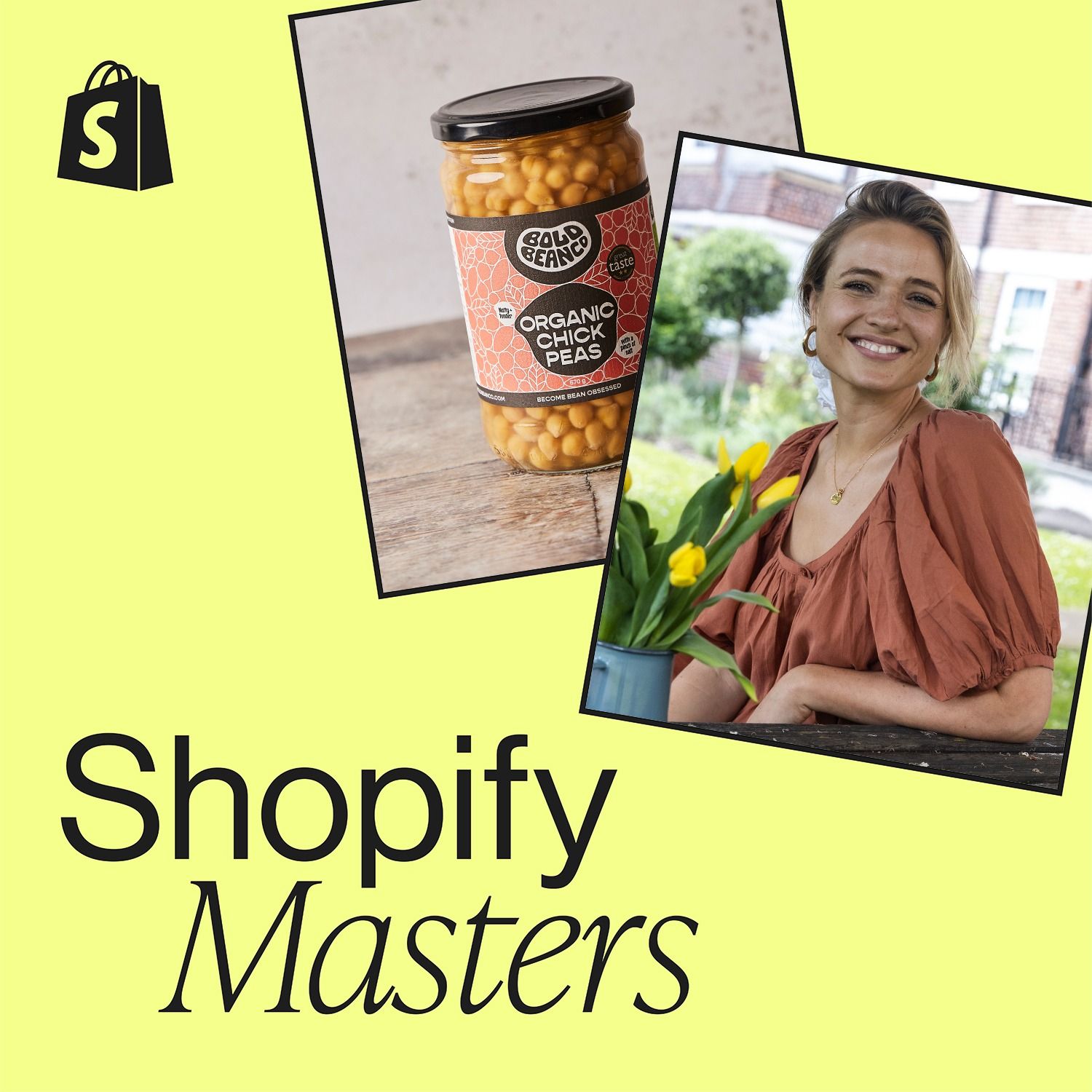
Influential chefs are reluctant to promote finished CPG products (like sauces) that compete with their expertise. However, they will champion a premium ingredient brand like Bold Bean Co. because it enhances their own recipes without compromising their culinary authority, making them natural advocates.
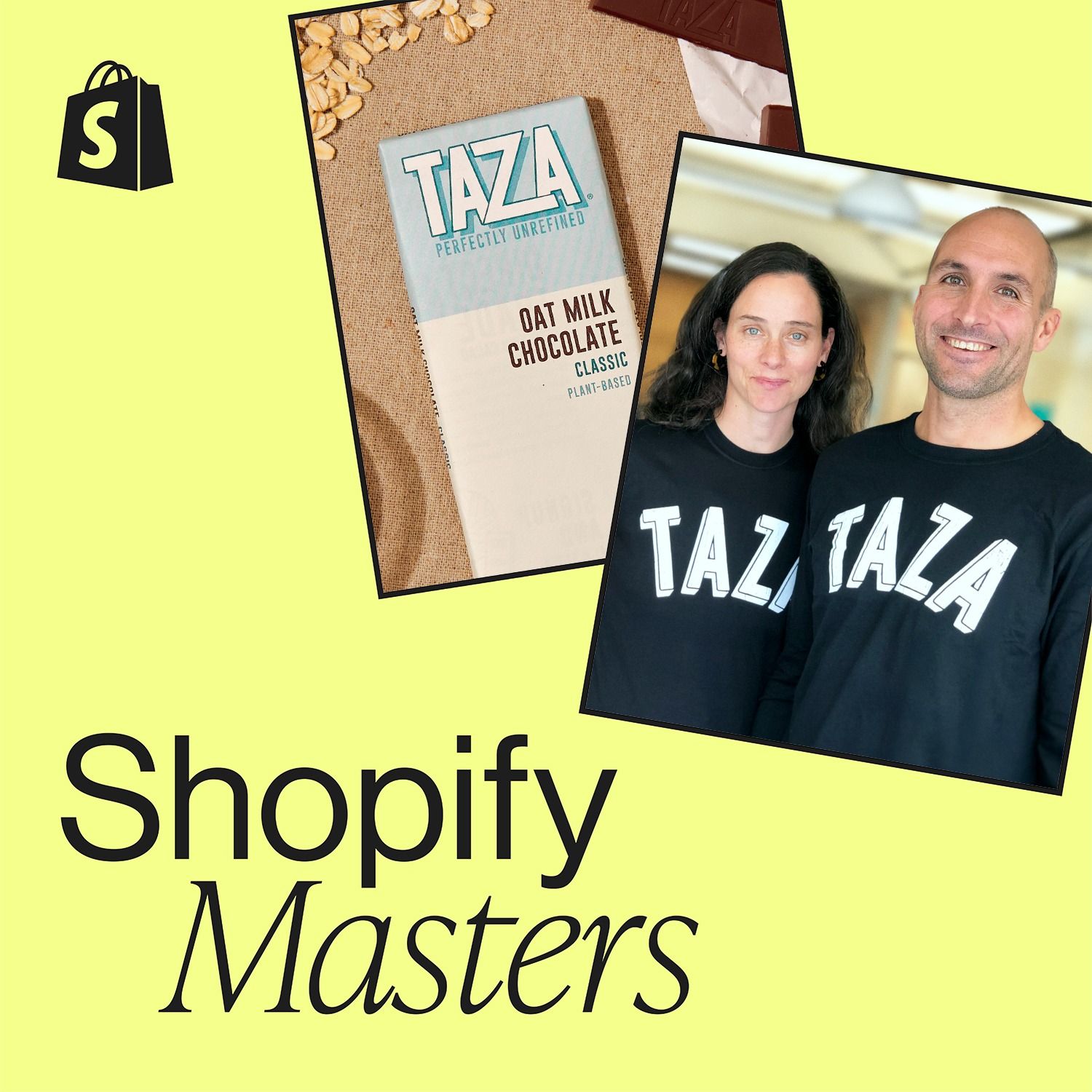
In a market dominated by corporations, Taza found a defensible niche by making a "polarizing" stone-ground chocolate. This strategy of appealing intensely to a core group, rather than pleasing the mass market, was key to their survival and success as a small business.
To buy out a misaligned private equity firm, La Colombe's founders specifically sought a "craft-based" investor. They pitched Hamdi Ulukaya of Chobani not with a slide deck, but with an innovative product prototype. This shared appreciation for craft forged a strong, successful partnership.
A coffee brand struggling to compete with other roasters was advised to reposition itself within the multi-billion dollar wedding gift industry. By targeting a different use case and customer (bridal registries), the commoditized product gains a unique and defensible niche.
To bypass exploitative middlemen, La Colombe had to do more than just show up. In places like Haiti, they had to prove their commitment by returning "time and time and time again." This consistency built the trust necessary for farmers to risk working with them directly.
When entering the market, La Colombe's wholesale price was over five times the standard rate. They overcame price objections from chefs by reframing coffee not as a commodity beverage, but as a high-quality "spice," an essential ingredient where quality dictates the price.
To transition from a product to a lifestyle brand, Hexclad pursued a grand-scale influencer strategy. They targeted the world's best chefs, sending products and even "sneaking into" exclusive Michelin star events to build relationships. This top-down approach established premium credibility.

While Seattle was the coffee capital, La Colombe's founders intentionally chose Philadelphia, a city at an economic low point. They saw an opportunity to get in on the "ground floor" of a major city with no specialty coffee scene, allowing them to define the market instead of competing in a saturated one.