Get your free personalized podcast brief
We scan new podcasts and send you the top 5 insights daily.
Vector embeddings can fail to connect related documents if they lack sufficient semantic similarity. A knowledge graph, by following explicit, human-created links, can fix these specific structural misses. It successfully retrieves relevant context that even a deep vector search (k=15) consistently fails to find, proving its unique value for structurally related data.

Related Insights
M0's retrieval system runs four parallel signals: vector and full-text search across both the title and description of knowledge records. This hybrid approach captures semantic similarity for paraphrased queries (vector search) and exact matches for specific terms like API names (full-text), resulting in highly relevant, compact results.

For enterprise AI, standard RAG struggles with granular permissions and relationship-based questions. Atlassian's "teamwork graph" maps entities like teams, tasks, and documents. This allows it to answer complex queries like "What did my team do last week?"—a task where simple vector search would fail by just returning top documents.

The system's real power comes from an LLM that analyzes saved content and automatically creates links between related concepts, like Wikipedia. This reveals non-obvious connections between different topics—such as SEO and Facebook Ads—that you might not have considered, creating a networked knowledge base.

Knowledge graph-based retrieval is not a replacement for deep vector search but a complement that solves different failure modes. While a larger context window in vector search yielded better overall results, the graph walk succeeded in connecting documents linked by human logic but missed by semantic similarity, proving that the two methods are not mutually exclusive.
Standard Retrieval-Augmented Generation (RAG) systems often fail because they treat complex documents as pure text, missing crucial context within charts, tables, and layouts. The solution is to use vision language models for embedding and re-ranking, making visual and structural elements directly retrievable and improving accuracy.
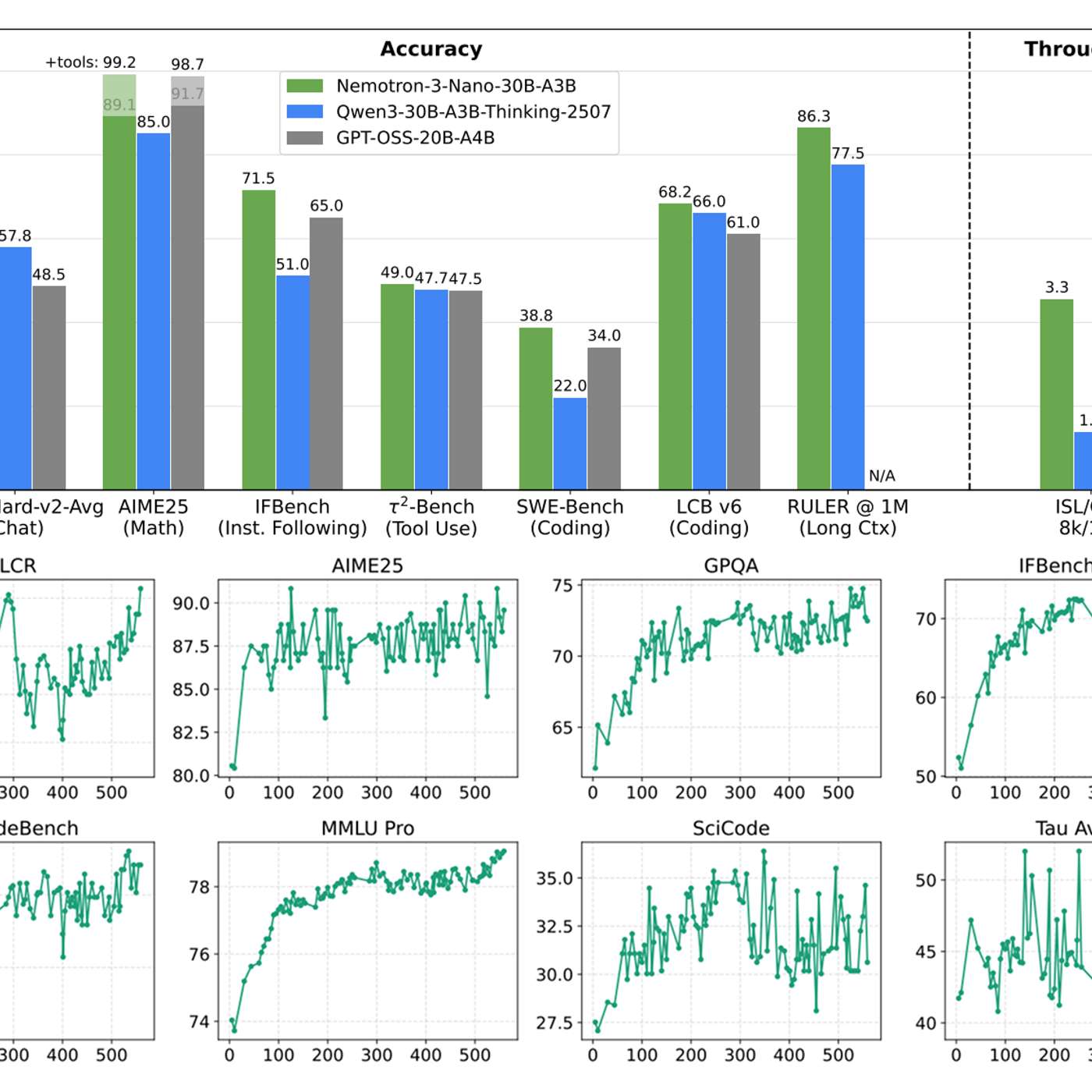
Retrieval Augmented Generation (RAG) uses vector search to find relevant documents based on a user's query. This factual context is then fed to a Large Language Model (LLM), forcing it to generate responses based on provided data, which significantly reduces the risk of "hallucinations."
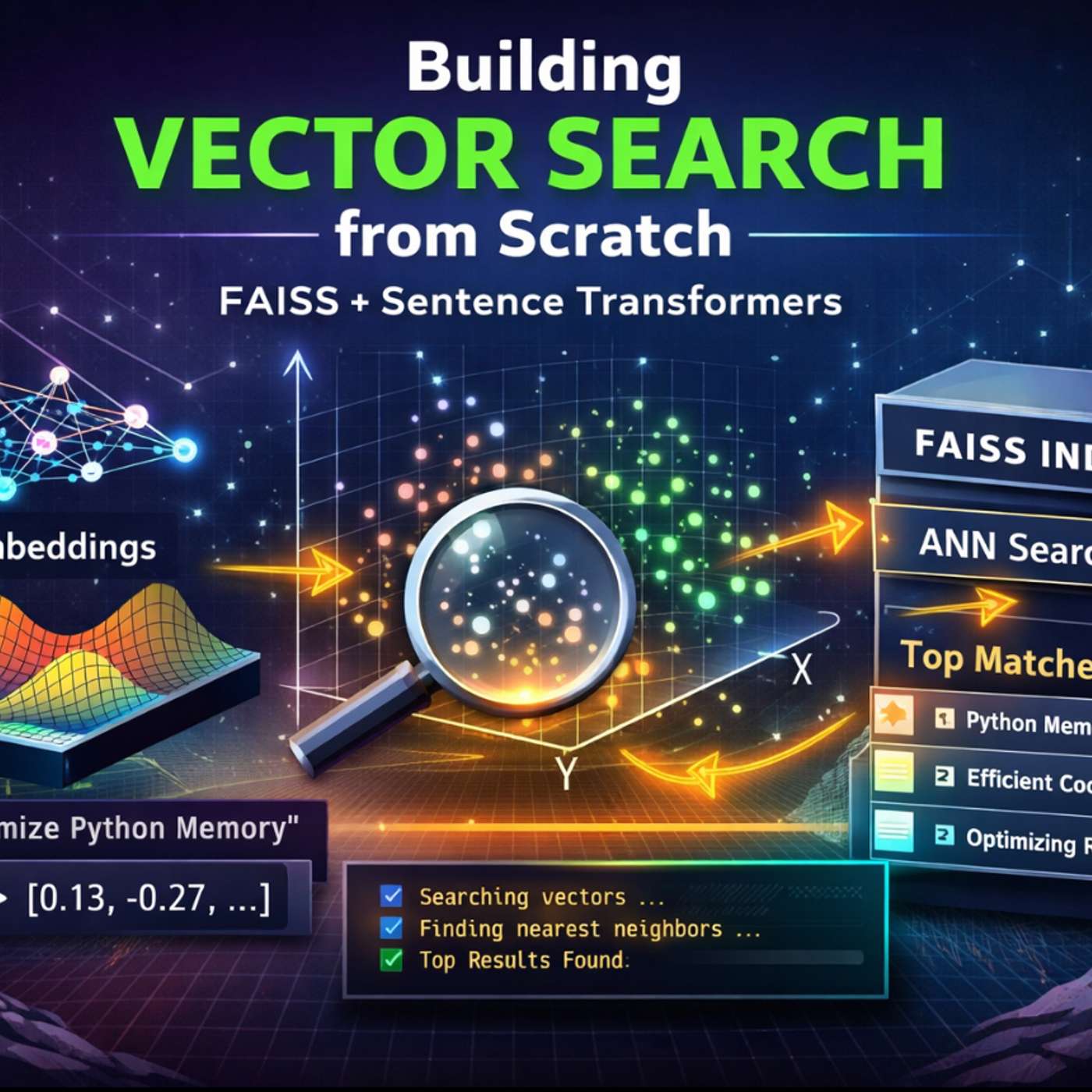
Vector similarity does not equal relevance. A lightweight re-ranker model, placed between retrieval and generation, rescores search results for usefulness. This significantly improves performance on ambiguous queries and is one of the highest-impact additions to a RAG pipeline.
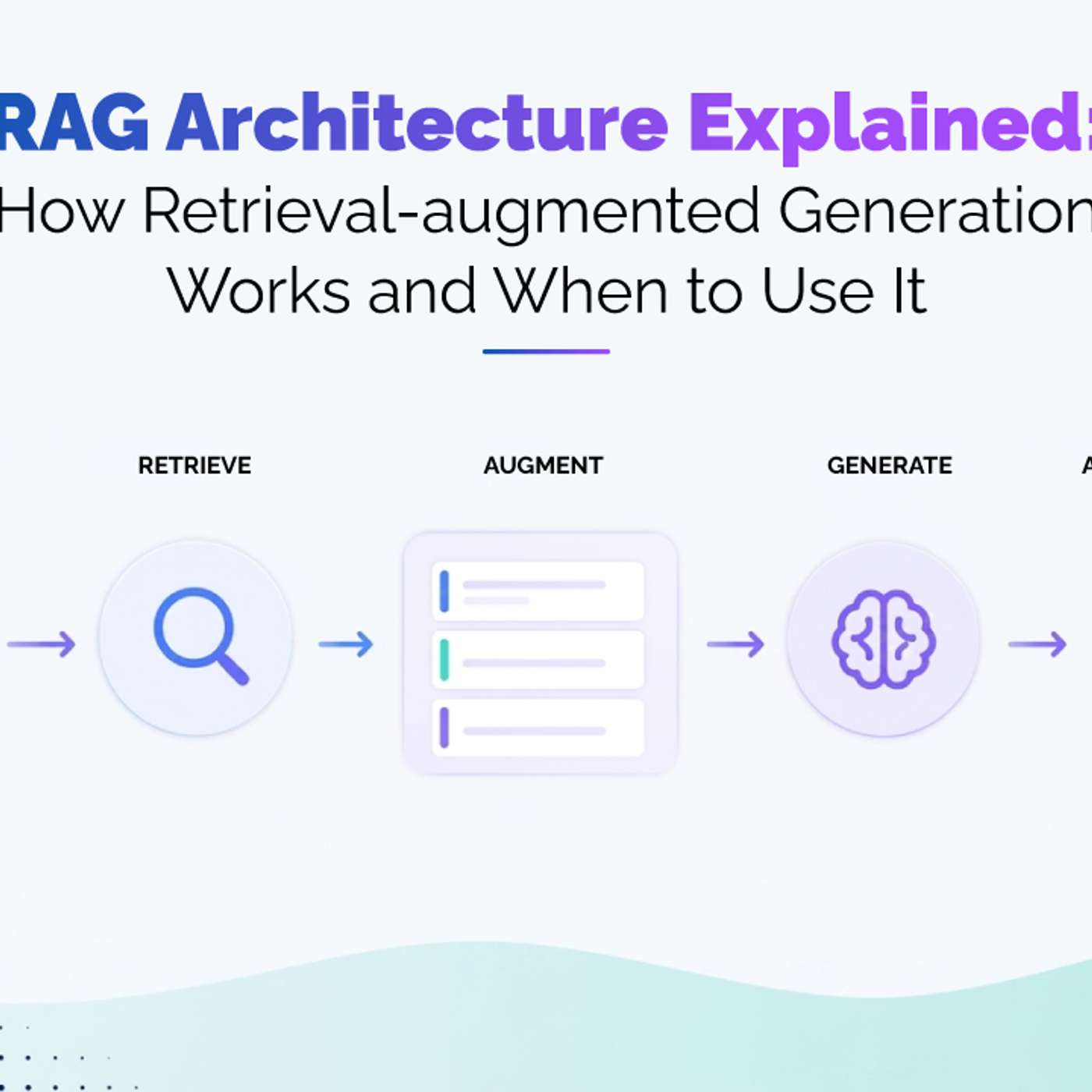
Teams often agonize over which vector database to use for their Retrieval-Augmented Generation (RAG) system. However, the most significant performance gains come from superior data preparation, such as optimizing chunking strategies, adding contextual metadata, and rewriting documents into a Q&A format.
Relying solely on semantic clustering (RAG) is inaccurate for complex domains like code. Blitzy combines a deep, relational knowledge graph with semantic understanding to accurately retrieve context, using the semantic match as a map to the source of truth rather than the truth itself.

Koah discovered that a basic RAG system for ad serving is ineffective. Embedding models can match keywords (e.g., 'Civil War' query to a 'Civil War' game) but fail to grasp the user's underlying intent (e.g., homework vs. entertainment). True contextual relevance requires more sophisticated AI.
