Get your free personalized podcast brief
We scan new podcasts and send you the top 5 insights daily.
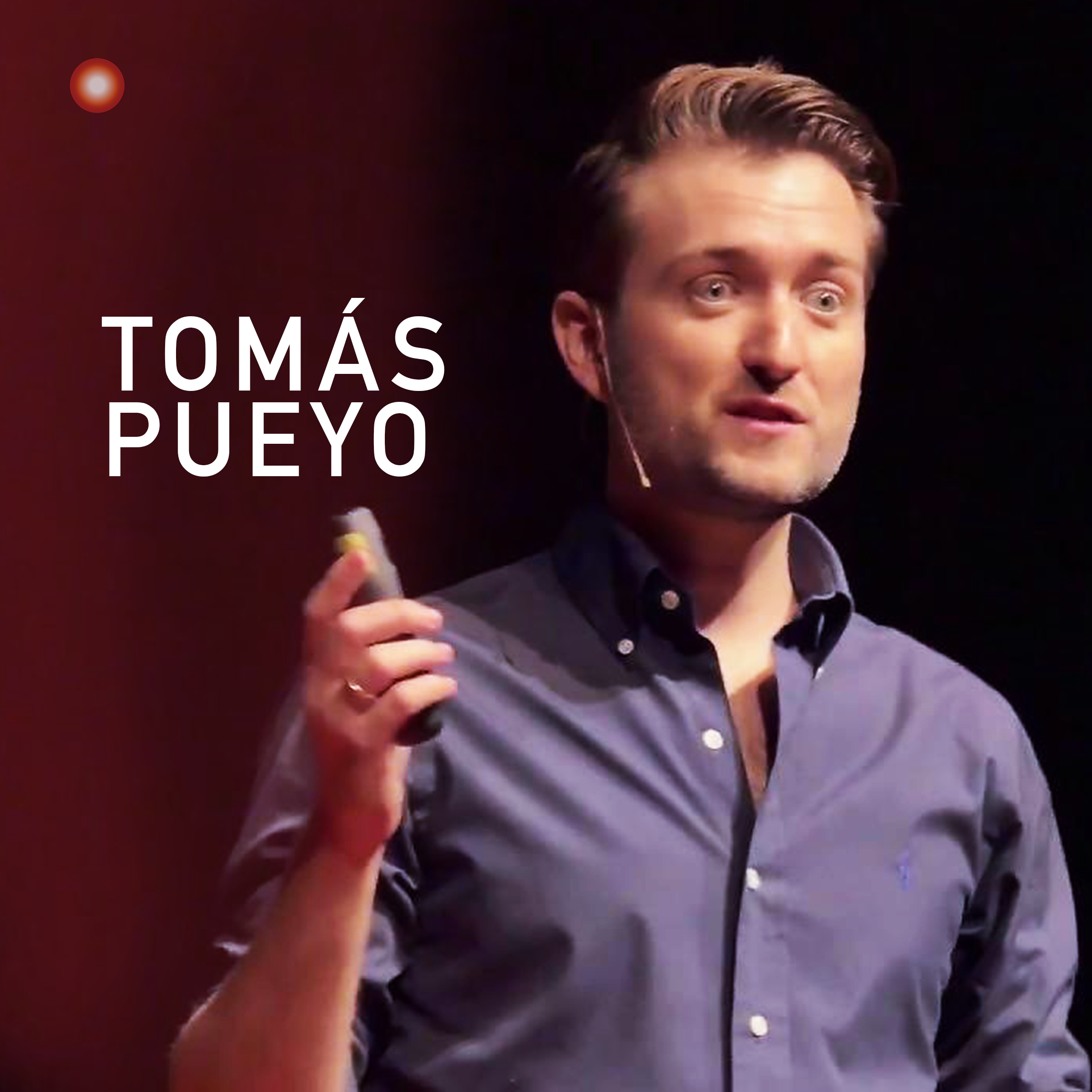
With just three weeks of intense, focused research on epidemiology, writer Tomás Pueyo became a key advisor to governments during the COVID-19 pandemic. His experience reveals that dedicated individuals reading primary sources can quickly surpass the knowledge available within official channels, exposing significant gaps in institutional expertise.
Related Insights
When working in complex organizations like the UN or federal government, don't try to master their internal language. Instead, find and partner with internal experts who can translate your goals into the organization's native operating system to achieve impact.

Creative solutions often emerge from those not deeply entrenched in a problem. Using the analogy of medical 'grand rounds'—where doctors from unrelated fields consult on a difficult case—Chopra suggests that non-experts can 'think outside the box' precisely because they aren't confined by conventional knowledge.

Superhuman's CTO credits a non-tech role managing submarine maintenance with teaching him to lead without technical legitimacy. By being forced to put his ego aside and drive change by asking fundamental questions, he learned to influence people far smarter in their domain.

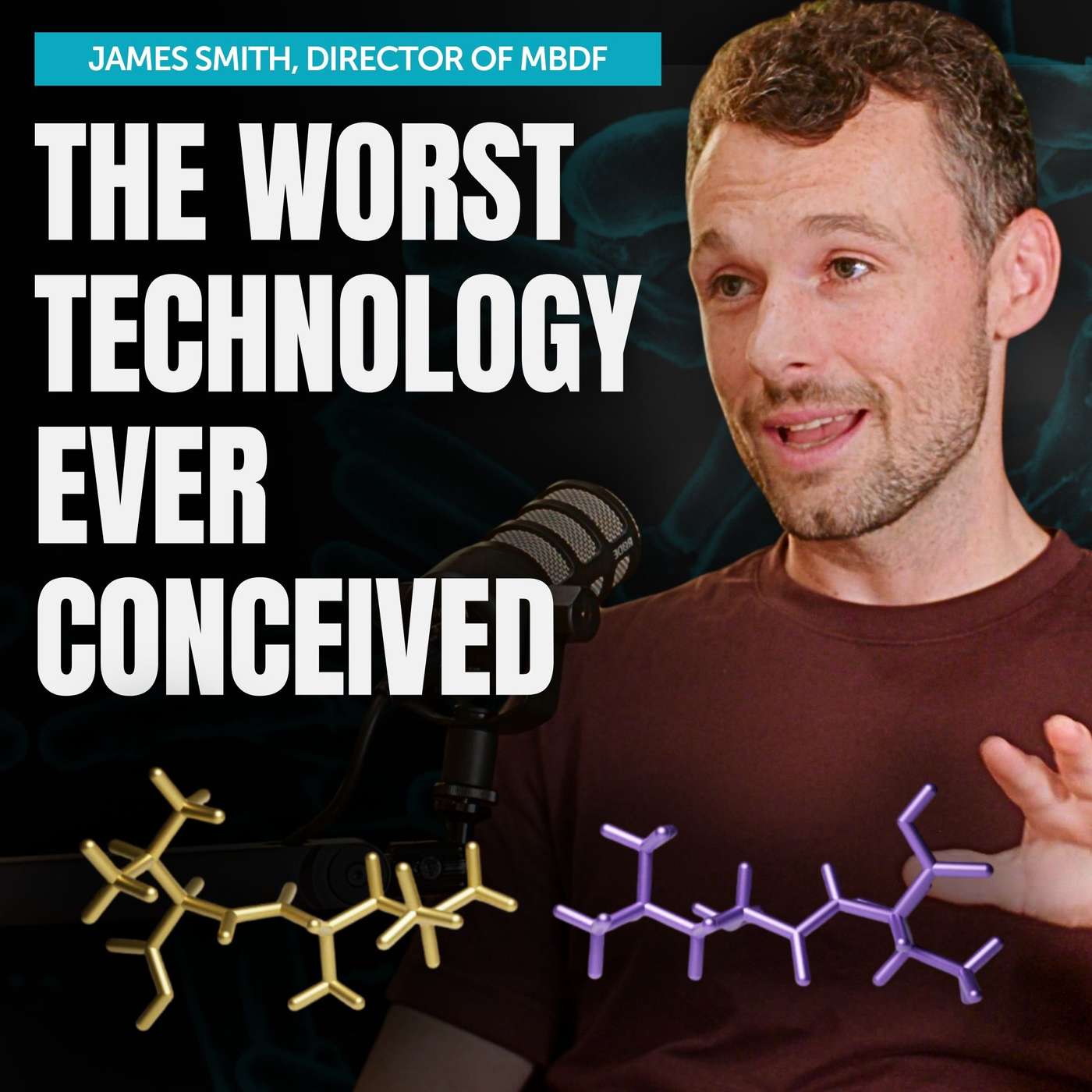
The risk of mirror life is so new and neglected that an individual could plausibly become their country's leading policy expert on the topic within weeks or months. This presents a massive opportunity for outsized impact for those willing to enter a nascent but critically important field.
While domain experts are great at creating incremental improvements, true exponential disruption often comes from founders outside an industry. Their fresh perspective allows them to challenge core assumptions and apply learnings from other fields.

Experts often view problems through the narrow lens of their own discipline, a cognitive bias known as the "expertise trap" or Maslow's Law. This limits the tools and perspectives applied, leading to suboptimal solutions. The remedy is intentional collaboration with individuals who possess different functional toolkits.
The best analysis comes from curiosity outside your core domain. Reading widely can spark unique ideas and helps distinguish between "boring data" and "cool data" that makes an audience think and feel something, a key part of the show's content strategy.
To get higher-quality input from busy medical experts, use specialized AI tools like Consensus.app to review scientific literature first. Then, present your tentative conclusions to the professional, demonstrating you've done the preliminary work, which encourages a more thoughtful and detailed response.

Colossal CEO Ben Lamb, a software entrepreneur with no biology background, approached top geneticist George Church seeking world-changing problems. His ability to build teams and secure capital, unconstrained by scientific dogma, was key to launching the ambitious de-extinction venture.
Formally trained experts are often constrained by the fear of reputational damage if they propose "crazy" ideas. An outsider or "hacker" without these credentials has the freedom to ask naive but fundamental questions that can challenge core assumptions and unlock new avenues of thinking.