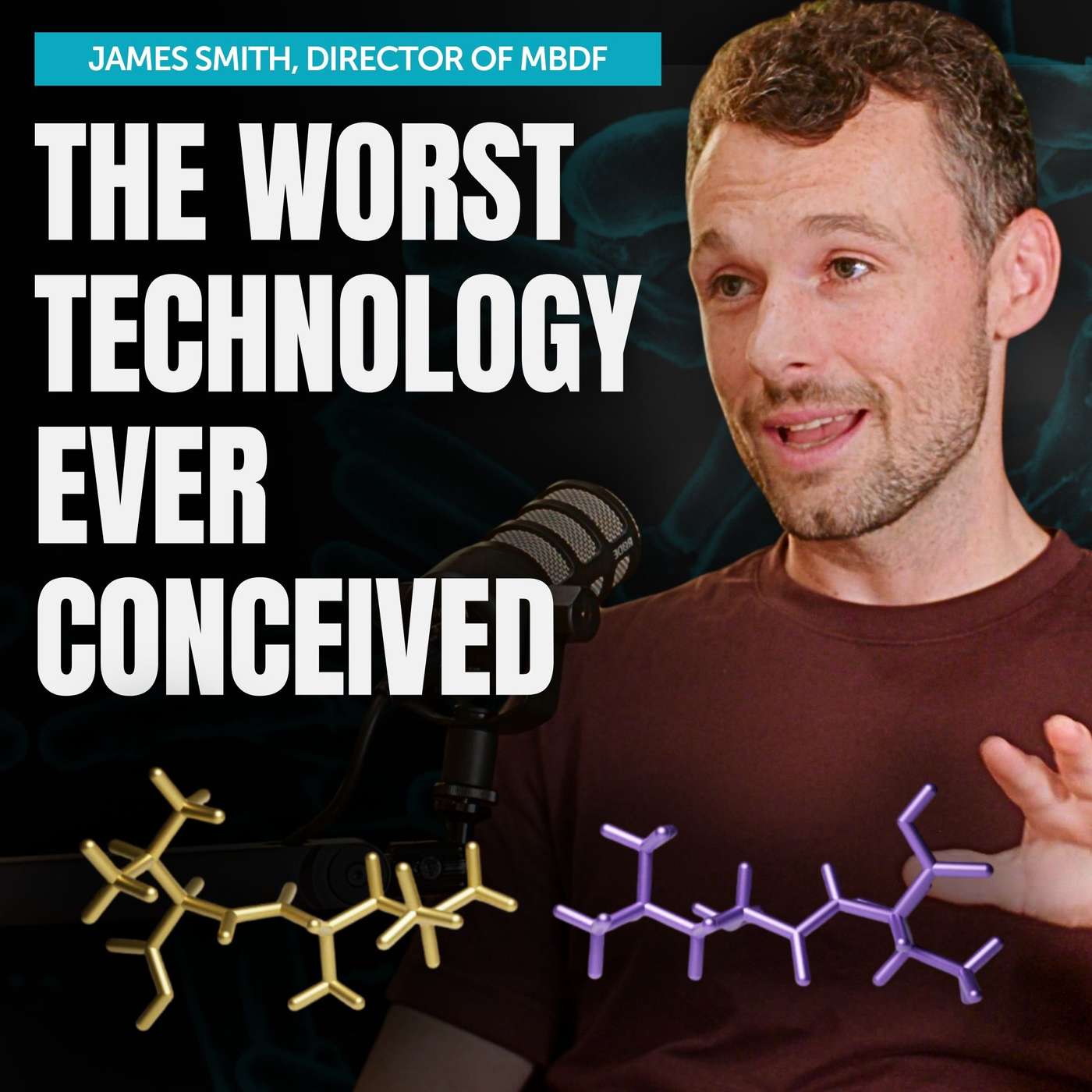
Unlike typical pathogens, mirror bacteria would be immune to their natural predators like viruses (bacteriophages). This advantage could allow them to proliferate uncontrollably in soil and oceans, creating a permanent environmental reservoir for infection and potentially outcompeting essential natural microbes.
Creating mirror life from scratch is estimated to cost between $500 million and $1 billion. This high barrier to entry places it beyond the reach of small groups, meaning prevention and monitoring efforts can be focused on well-funded state-level programs or large corporations.
A common misconception is that engineered life would be feeble like current lab-created 'minimal cells'. In reality, a bad actor would create a mirror version of a naturally robust bacterium like E. coli, not a fragile lab specimen, to ensure its survival and virulence in the natural environment.
The very researchers who saw creating mirror life as a grand scientific challenge are now its staunchest opponents after analyzing the risks. This powerful example of scientific self-regulation saw pioneers of the field pivot from creation to prevention, forming an interdisciplinary group to warn the world.
Mirror life's molecules are mirror images of normal biology. Our immune receptors, like right-handed gloves, cannot properly bind to these 'left-handed' pathogens. This fundamental shape mismatch, not just novelty, prevents an effective immune response, making it a uniquely dangerous threat.
Researchers can avoid the immense risk of creating mirror life for study. Instead, they can develop mirror-image countermeasures (like mirror antibodies) and test them against normal bacteria. If effective, the 'normal' version of that countermeasure would work against mirror life, allowing for safe R&D.
Unlike AI or nuclear power, mirror life offers minimal foreseeable benefits but poses catastrophic risks. This lack of a strong commercial or economic driver makes it politically easier to build a global consensus for a moratorium or ban, as there are few powerful interests advocating for its development.
Marine cyanobacteria, essential to the carbon cycle, are controlled by viruses. A mirror version would be immune, potentially leading to explosive population growth. This could act as a massive, unpredictable carbon sink, sequestering enough atmospheric CO2 to catastrophically alter the climate and risk an ice age.
A common objection—that mirror life would starve—is incorrect. The human body is rich in achiral nutrients (molecules without a mirror-image form), like acetate and glycerol. Mirror bacteria can readily metabolize these, allowing them to grow rapidly without needing to consume our body's chiral molecules.
The immune system fails because of a cascade effect. Our adaptive immune system (antibodies) depends on activation signals from the innate system. Because the innate system's receptors can't bind to mirror molecules, the initial alarm is never sounded, preventing the entire defensive chain of command from launching.
The fundamental immune mechanisms that mirror life bypasses (pattern recognition receptors) are conserved across the tree of life. This means plants and insects are also vulnerable, making mirror life a catastrophic threat to agriculture and entire ecosystems, not just vertebrates.
The Environmental Modification Treaty successfully prohibited the weaponization of environmental forces before the technology was mature. This serves as a key historical precedent, demonstrating that global consensus can be reached to foreclose on dangerous technological paths well in advance of their creation.
The risk of mirror life is so new and neglected that an individual could plausibly become their country's leading policy expert on the topic within weeks or months. This presents a massive opportunity for outsized impact for those willing to enter a nascent but critically important field.