Get your free personalized podcast brief
We scan new podcasts and send you the top 5 insights daily.
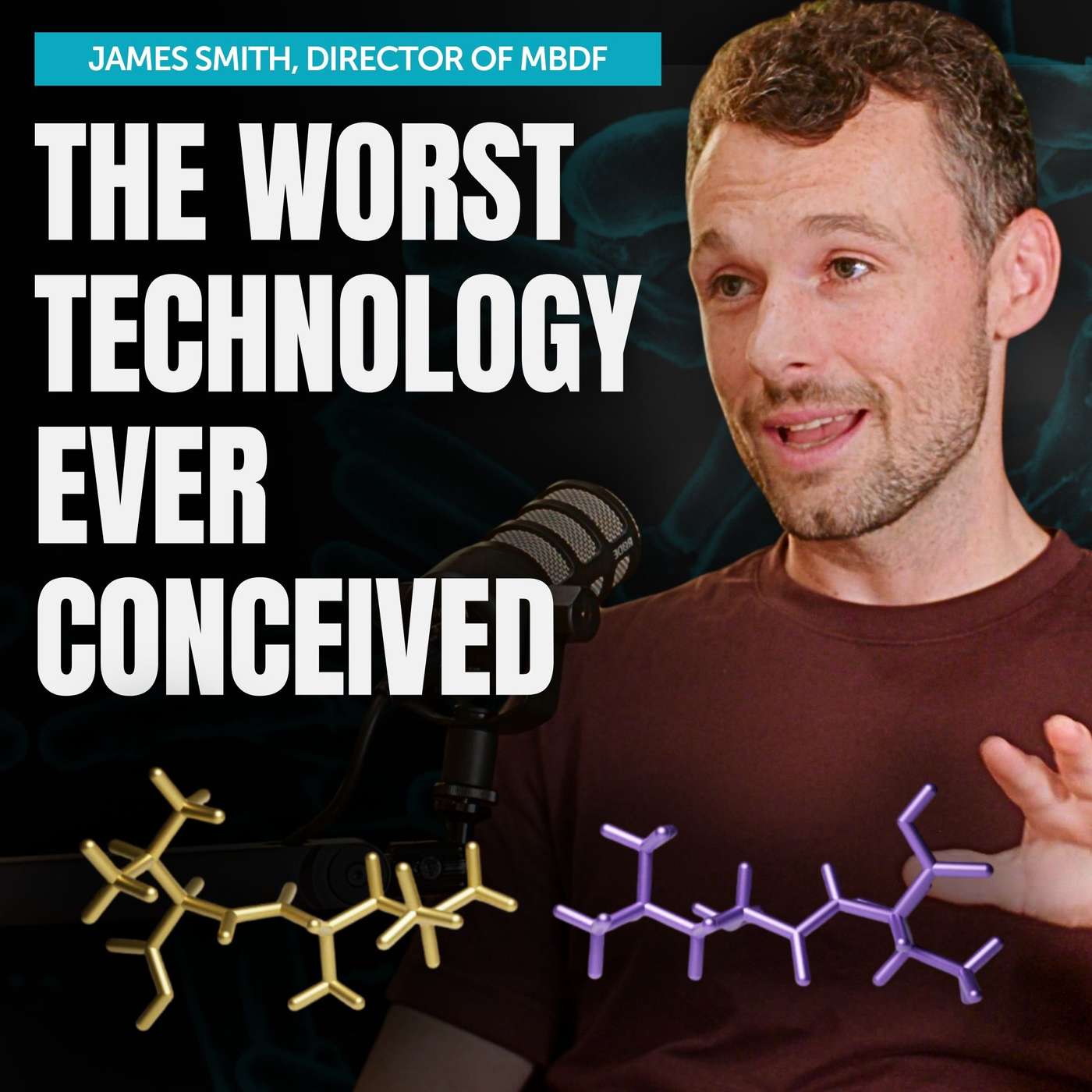
The risk of mirror life is so new and neglected that an individual could plausibly become their country's leading policy expert on the topic within weeks or months. This presents a massive opportunity for outsized impact for those willing to enter a nascent but critically important field.
Related Insights
Despite a PhD in the molecular biology of lung cancer, Dr. Manley's career shifted to health equity. This wasn't a planned transition but a direct response to seeing his family's healthcare struggles and requests from underserved patient communities, showing how personal experience can create new professional missions.

Instead of choosing a career based on its perceived "safety" from AI, individuals should pursue their passions to quickly become domain experts. AI tools augment this expertise, increasing the value of experienced professionals who can handle complex, nuanced situations that AI cannot.

Investor Ariel Poler defines his impact not by what he does, but by what wouldn't get done without him. He deliberately seeks nascent or overlooked fields like human augmentation, where his capital and mentorship provide unique, incremental value, rather than joining the crowd in popular sectors like AI.

The very researchers who saw creating mirror life as a grand scientific challenge are now its staunchest opponents after analyzing the risks. This powerful example of scientific self-regulation saw pioneers of the field pivot from creation to prevention, forming an interdisciplinary group to warn the world.
Unlike typical pathogens, mirror bacteria would be immune to their natural predators like viruses (bacteriophages). This advantage could allow them to proliferate uncontrollably in soil and oceans, creating a permanent environmental reservoir for infection and potentially outcompeting essential natural microbes.
Researchers can avoid the immense risk of creating mirror life for study. Instead, they can develop mirror-image countermeasures (like mirror antibodies) and test them against normal bacteria. If effective, the 'normal' version of that countermeasure would work against mirror life, allowing for safe R&D.
Instead of introspective searching for your passion, find a "Gandalf"—an expert who has already identified the world's most pressing problems. Attach yourself to their mission. This provides a clear, high-impact path for those who want to do good but are unsure where to start.

Unlike AI or nuclear power, mirror life offers minimal foreseeable benefits but poses catastrophic risks. This lack of a strong commercial or economic driver makes it politically easier to build a global consensus for a moratorium or ban, as there are few powerful interests advocating for its development.
Creating mirror life from scratch is estimated to cost between $500 million and $1 billion. This high barrier to entry places it beyond the reach of small groups, meaning prevention and monitoring efforts can be focused on well-funded state-level programs or large corporations.
Formally trained experts are often constrained by the fear of reputational damage if they propose "crazy" ideas. An outsider or "hacker" without these credentials has the freedom to ask naive but fundamental questions that can challenge core assumptions and unlock new avenues of thinking.
