Get your free personalized podcast brief
We scan new podcasts and send you the top 5 insights daily.
Zelenskyy recalled requesting preemptive sanctions and immediate weapon shipments from Western partners months before February 2022. By withholding measures until after troops crossed the border, allies gave Russian planners room to gamble. Zelenskyy argued that reacting post-factum undermines credible deterrence and leaves defending nations economically destabilized beforehand.

Related Insights
Zelenskyy explained that strikes on Russian refineries are an operational necessity because Ukraine lacks sufficient air defense missiles to guard its own grid. When foreign leaders ask Ukraine to cease hitting Russian energy assets without offering protective Patriot systems, it unfairly denies Ukraine its primary countermeasure against state electricity strikes.
Beyond historical objectives of weakening alliance cohesion and creating doubt around NATO's Article 5 commitment, Russia's recent hybrid escalation carries a direct tactical objective. Because the United States halted security assistance to Ukraine, European nations stepped up to fill the void. Julianne Smith explains that Moscow is intentionally carrying out hybrid attacks across Europe to demonstrate that continued military support for Ukraine comes with steep domestic risks and costs.

Recognizing Russia's high tolerance for military casualties, Ukraine has shifted its strategy to asymmetric economic warfare. By systematically using long-range drones to attack Russian oil refineries and tankers, Ukraine aims to inflict financial pain where the human cost of war has failed to be a deterrent, creating what they call "the real sanctions."

Paradoxically, by only hardening defenses and not retaliating against Russia's "grey zone" attacks, Europe fails to establish deterrence. This inaction may embolden Russia to continue escalating until a catastrophic miscalculation triggers a major conflict.

Ukraine's most realistic theory of success is not reclaiming all territory militarily, but leveraging its advantages to stabilize the front and inflict unsustainable casualties and economic costs on Russia. This strategy aims to make the war so futile for Moscow that it forces a favorable negotiated settlement.
Zelenskyy argued that failing to give clear military orders to strike back when Russian forces seized Crimea in 2014 directly paved the way for the 2022 invasion. Because Russia captured the peninsula using only dozens or hundreds of troops without armed blowback, Putin concluded that taking Kyiv would be equally swift and unopposed.
Since World War I, heavy economic pressure alone, without accompanying military force, has never been the decisive factor in winning a major war. Historical examples from Germany in WWI to Iraq from 1990-2003 show that sanctions fail to coerce regimes, making the belief in an "economic D-Day" against Iran a strategic fallacy.

By committing to a multi-year, ~$400 billion funding plan, Europe can turn Ukraine's financial weakness into a strategic advantage. This sustained support would exacerbate Russia's already high financial burden, potentially triggering a banking or inflation crisis and crippling its war machine.
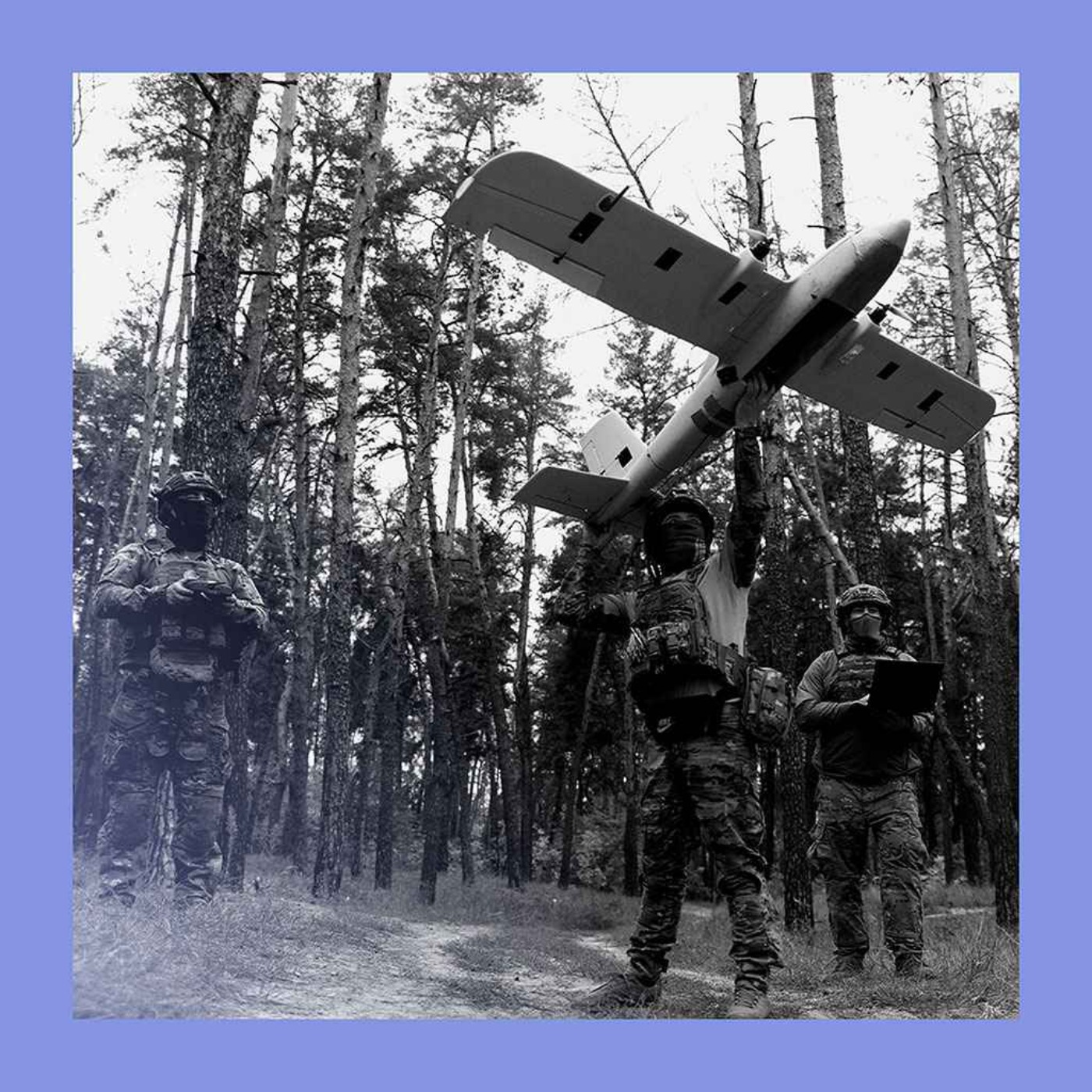
Zelenskyy observed that Russia miscalculated the force required to capture Kyiv by assuming citizens would stay passive. Passing through territory requires leaving garrison forces behind in every single town along the transit route. When everyday civilians launch armed resistance and sabotage supply lines, the attacking force requires hundreds of thousands more personnel.
This model, from the Iran nuclear deal, pre-commits the West to automatically reinstate sanctions and supply advanced weapons if Russia breaks the ceasefire. This removes political friction and creates a more credible deterrent than vague promises of future action.
