Get your free personalized podcast brief
We scan new podcasts and send you the top 5 insights daily.
Jane Fonda attributes the Democratic Party's struggles in the middle of the country to a fundamental shift in strategy. She claims the party "got in bed with its donors" and abandoned its practice of funding local, on-the-ground community organizing, thereby losing touch with the very people it needed to represent.

Related Insights
Senator Bernie Sanders argues the Democratic party, once the party of the working class, began courting wealthy donors in the 1970s. This strategic shift led them to neglect core economic issues, causing their traditional base to feel alienated and vote for candidates like Donald Trump.

While mainstream liberal politics often frames young men as 'the problem,' the far right has actively courted this disenfranchised group. This political vacuum allowed extremist ideologies to fill the void, capturing a significant and politically potent demographic by acknowledging their struggles.

The Democratic Party's loss of Silicon Valley's support wasn't about campaign funds, but about culture. By vilifying entrepreneurs, the party allowed Trump to become the champion of innovation and the future, alienating a generation of young people who admire wealth creation and technological progress.

Current American political turmoil is not about personalities but the structural breakdown of both major parties. Each has lost key voter factions, creating a chaotic period where neither can truly win. This instability will persist until a new political alignment emerges.

The Democratic party struggles to counter right-wing media because its messaging is often robotic and fails to connect on a human level. An effective counter-strategy requires leaders to directly address voters' fear and confusion with empathy, using simple, powerful language like 'I care about you' and 'I'm listening to you' to build trust and break through the noise.

Traditional center-left parties are losing influence because they lack a coherent agenda to address the modern drivers of voter discontent. Their continued focus on narrow economic solutions is ineffective against the powerful cultural, identity-based, and technological forces that are actually shaping politics and fueling populism.

Since the 1990s, the left has shifted from material concerns like wages to identity politics expressed in exclusionary academic rhetoric. This has actively repelled the working-class voters it historically championed and needs for a majority coalition.

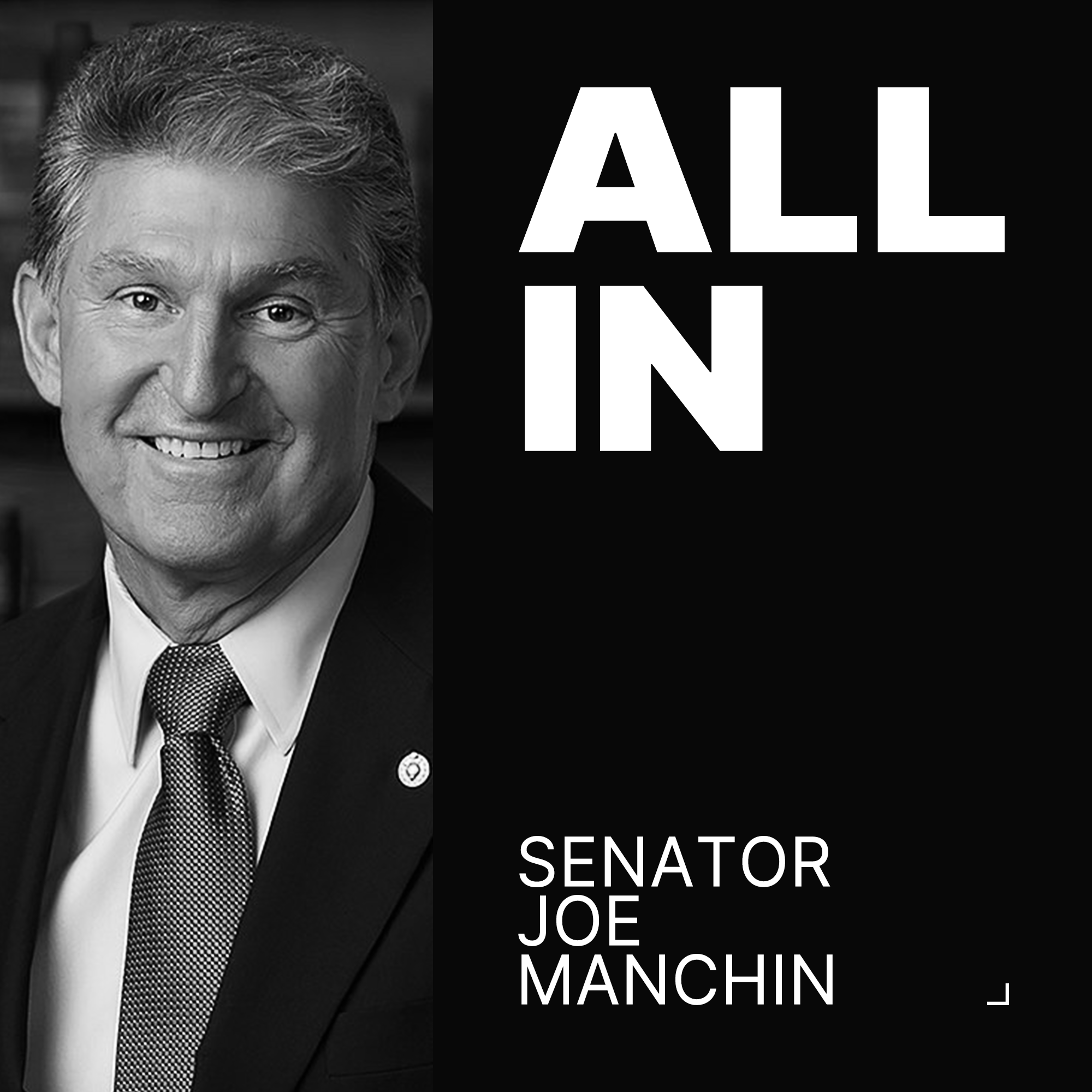
Manchin pinpoints the decline of the Democratic party in his state to its aggressive anti-coal stance, which lacked a viable economic transition plan for workers. He compares the treatment of coal miners to that of forgotten Vietnam veterans who were asked to serve and then discarded.
Instead of focusing only on federal elections, Fonda's climate PAC targets local races like city councils and school boards. This builds a "firewall" against opposition and creates a pipeline of experienced, climate-focused candidates for higher office, mirroring the Tea Party's successful grassroots approach.
Expecting top-down change from political party leadership is a flawed strategy. True societal transformation starts with grassroots movements and shifts in public sentiment. Political parties are reactive entities that eventually adopt agendas forced upon them by the people they seek to represent, making them followers, not initiators, of change.
