Get your free personalized podcast brief
We scan new podcasts and send you the top 5 insights daily.
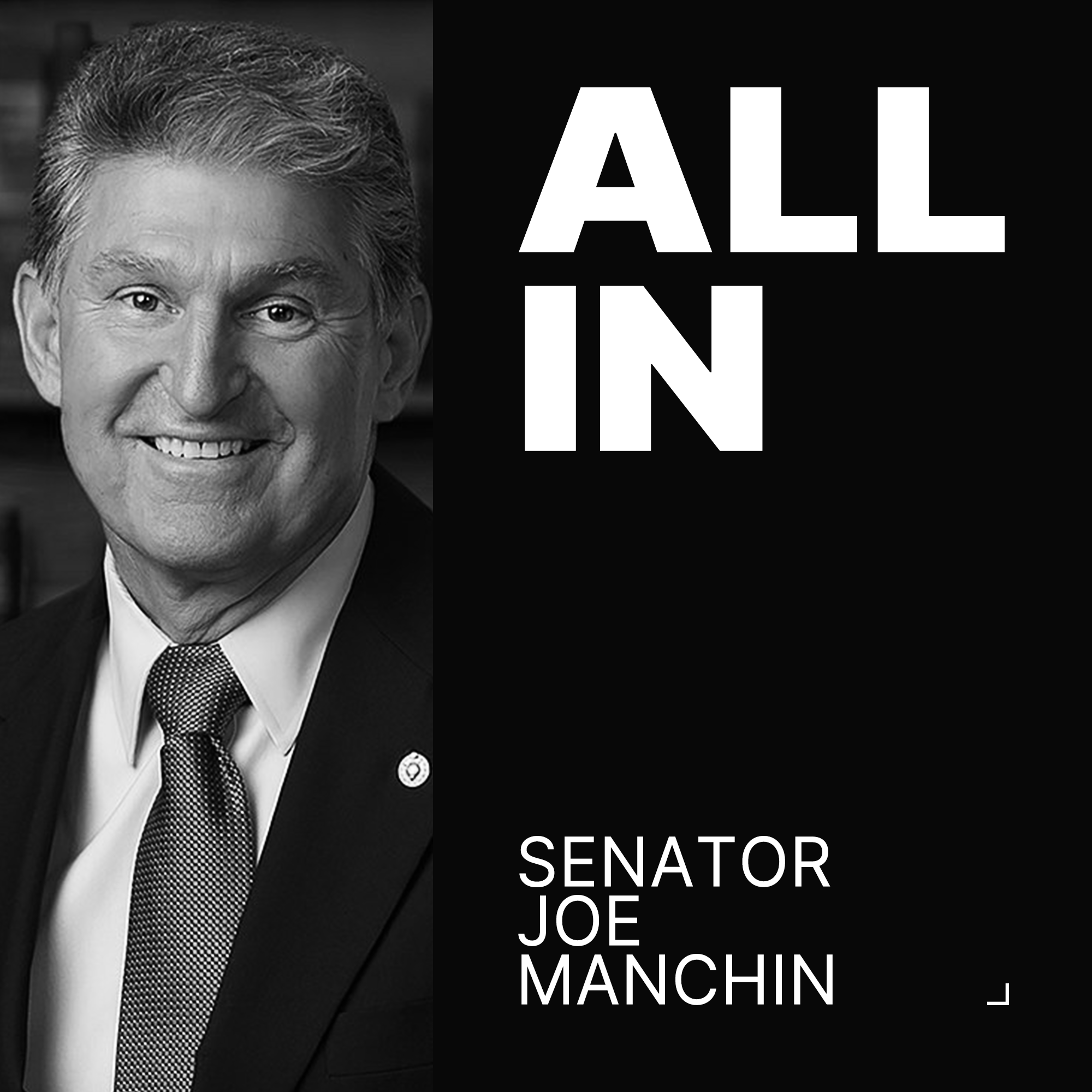
Manchin pinpoints the decline of the Democratic party in his state to its aggressive anti-coal stance, which lacked a viable economic transition plan for workers. He compares the treatment of coal miners to that of forgotten Vietnam veterans who were asked to serve and then discarded.
Related Insights
Manchin contrasts presidential styles, noting he spoke with Trump more in two years than with Obama in eight. He found Trump and Bill Clinton to be highly engaging and inquisitive, while characterizing Obama as elusive and less inclined to communicate directly with legislators.
During the Build Back Better debate, Manchin alleges he faced an organized pressure campaign, not just from voters. Protestors outside his residence were reportedly paid hourly, and he believes White House Chief of Staff Ron Klain orchestrated the effort to push him left.
Ideological loyalty is an illusion in politics. Once in power, parties will quickly abandon the very groups that propelled them there if it is politically expedient. Examples include the UK's Labour Party turning on unions and Democrats ignoring BLM after the 2020 election. Power, not principle, is the goal.

Manchin's core opposition to the Build Back Better bill was philosophical. He argued to President Biden that passing it would fundamentally change the American psyche from one of civic contribution to one of entitlement, a direct reversal of John F. Kennedy's famous inaugural challenge.
Despite developing the world's cheapest solar power, China remains addicted to coal for political, not economic, reasons. Countless local governments in poorer regions depend entirely on coal mining for revenue and employment. This creates a powerful political inertia that the central government is unwilling or unable to overcome, prioritizing local stability and energy security over a complete green transition.

The GOP is currently defending economic policies by pointing to macro indicators while ignoring public sentiment about unaffordability. This mirrors the exact mistake Democrats made in previous cycles, demonstrating a dangerous tendency for the party in power to become deaf to the lived economic reality of average citizens and dismiss their concerns.

Since the 1990s, the left has shifted from material concerns like wages to identity politics expressed in exclusionary academic rhetoric. This has actively repelled the working-class voters it historically championed and needs for a majority coalition.

A new, informal caucus of liberal senators, dubbed the 'Fight Club,' is challenging the party's establishment leadership. Rather than demanding resignations, they are pushing to back candidates who directly challenge corporate interests and party orthodoxy. This internal movement signals a deep, strategic battle for the party's future soul and direction.
Manchin claims President Biden's agenda was controlled by an extremely liberal staff assembled by Ron Klain. He asserts this prevented follow-through on moderate agreements made directly with the President, suggesting the staff—not the President—was driving the policy train.
Political alignment is becoming secondary to economic frustration. Voters are responding to candidates who address rising costs, creating unpredictable alliances and fracturing established bases. This dynamic is swamping traditional ideology, forcing both parties to scramble for a new populist message centered on financial well-being.