Get your free personalized podcast brief
We scan new podcasts and send you the top 5 insights daily.
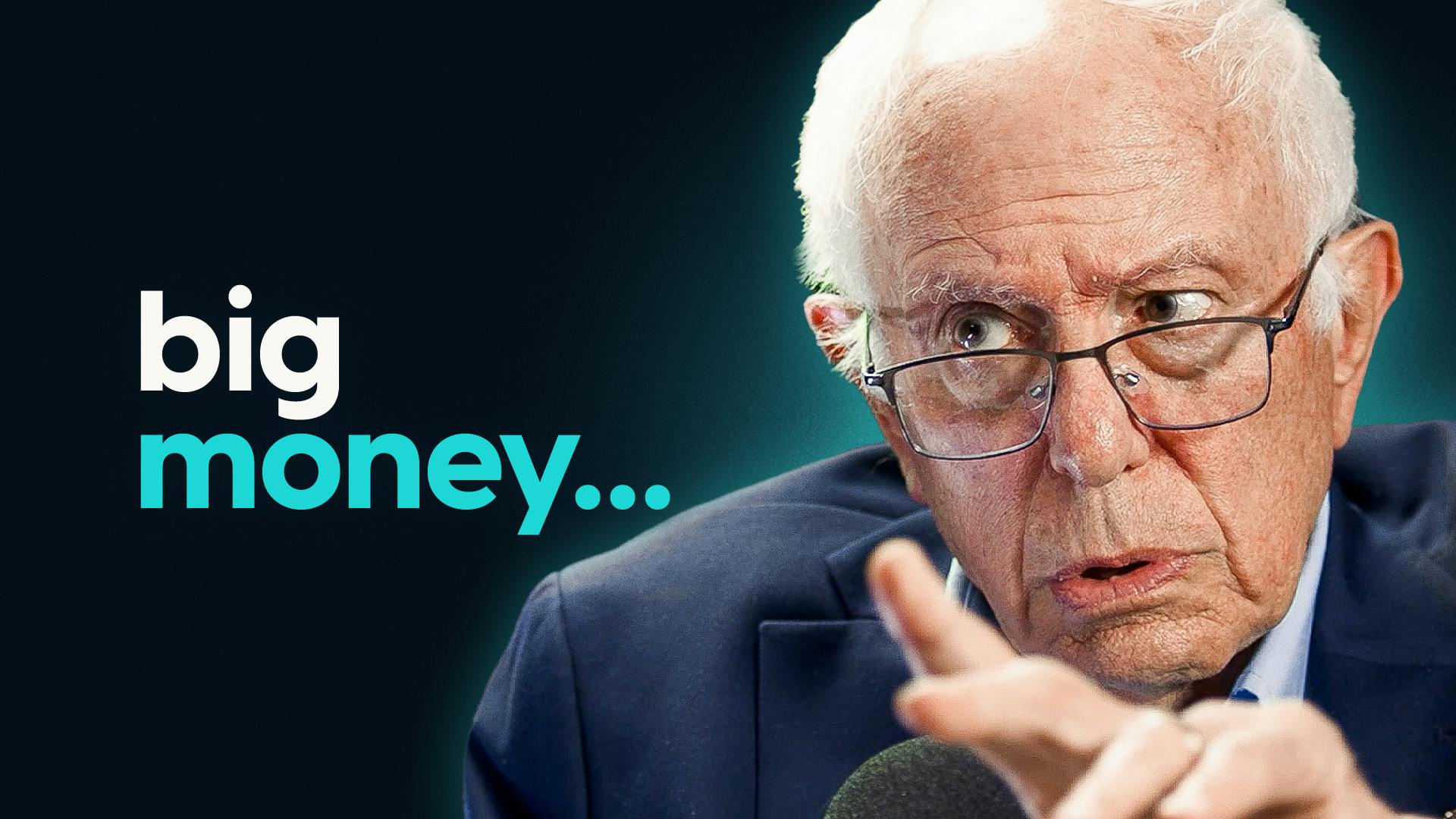
Senator Bernie Sanders argues the Democratic party, once the party of the working class, began courting wealthy donors in the 1970s. This strategic shift led them to neglect core economic issues, causing their traditional base to feel alienated and vote for candidates like Donald Trump.
Related Insights
The Democratic Party's loss of Silicon Valley's support wasn't about campaign funds, but about culture. By vilifying entrepreneurs, the party allowed Trump to become the champion of innovation and the future, alienating a generation of young people who admire wealth creation and technological progress.
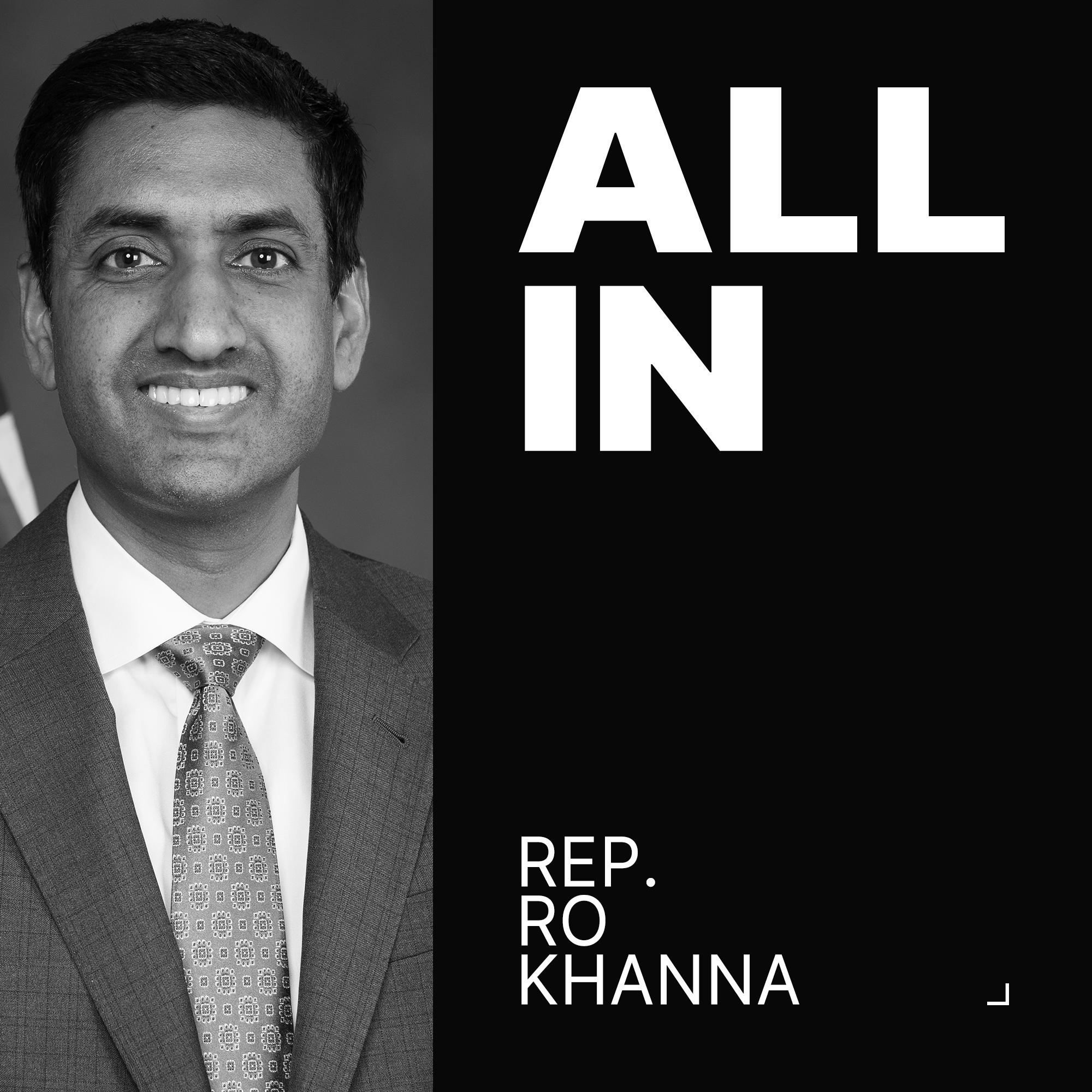
Economic policies benefiting older, asset-owning generations at the expense of younger ones are reshaping politics. The traditional left-right divide is becoming less relevant than the conflict between classes, which is highly correlated with age, creating unusual political alliances between formerly opposed groups.

Ideological loyalty is an illusion in politics. Once in power, parties will quickly abandon the very groups that propelled them there if it is politically expedient. Examples include the UK's Labour Party turning on unions and Democrats ignoring BLM after the 2020 election. Power, not principle, is the goal.

Political messaging focused on 'equity' and villainizing wealth often backfires. Most voters don't begrudge success; they want access to economic opportunity for themselves and their families. A winning platform focuses on enabling personal advancement and a fair shot, not on what is described as a 'patronizing' class warfare narrative.

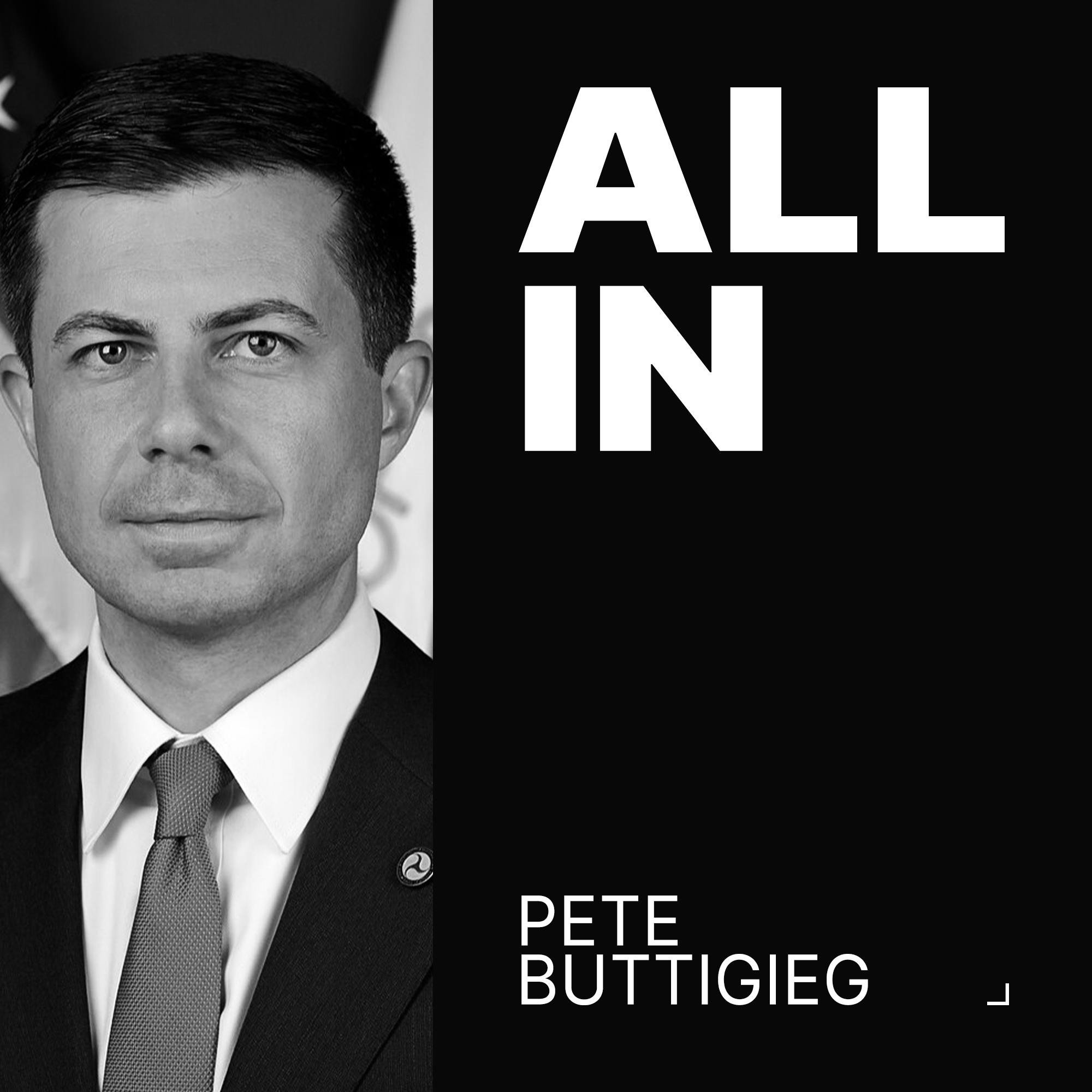
Buttigieg criticizes his own party for treating identity groups like items on a salad bar, offering something for each group individually. This approach, he argues, prevents the party from crafting a cohesive, unifying economic message that speaks to the shared interests of low-wealth people across all identities.
To combat a 'corrupt campaign finance system' where billionaires use Super PACs to 'buy elections,' Sanders proposes a move to public funding. This system would grant qualified candidates equal funding, leveling the playing field and making politicians accountable to voters instead of wealthy donors.
Since the 1990s, the left has shifted from material concerns like wages to identity politics expressed in exclusionary academic rhetoric. This has actively repelled the working-class voters it historically championed and needs for a majority coalition.

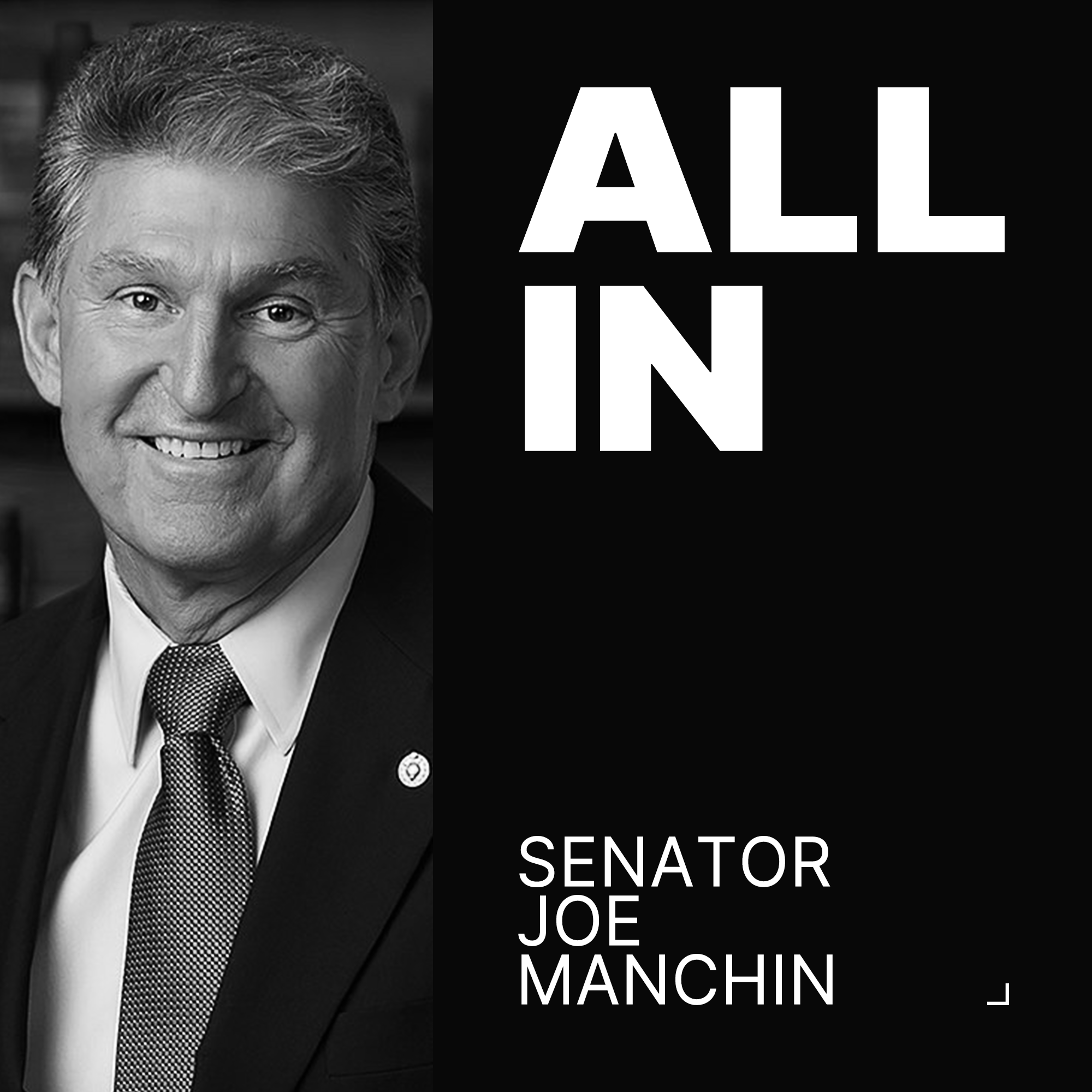
Manchin pinpoints the decline of the Democratic party in his state to its aggressive anti-coal stance, which lacked a viable economic transition plan for workers. He compares the treatment of coal miners to that of forgotten Vietnam veterans who were asked to serve and then discarded.
The widening gap between the economic fortunes of the rich and the middle class is eroding faith in capitalism across the political spectrum. This sentiment is no longer confined to the left, as Republican pollsters find their own focus groups expressing deep skepticism of big business, mirroring progressive talking points and signaling a broad political realignment.

Political alignment is becoming secondary to economic frustration. Voters are responding to candidates who address rising costs, creating unpredictable alliances and fracturing established bases. This dynamic is swamping traditional ideology, forcing both parties to scramble for a new populist message centered on financial well-being.