Get your free personalized podcast brief
We scan new podcasts and send you the top 5 insights daily.
Russia's struggles in Ukraine have revealed systemic weaknesses in its military equipment, training, and strategy. This has severely damaged its reputation as a reliable security partner and arms exporter, causing clients like India to question their reliance on Russian capacity and look elsewhere.

Related Insights
The conflict is not just regional but a proxy war between two ideologies: Western democracies versus an alliance of totalitarian states (Russia, Iran, North Korea, China). Non-aligned nations like India and Brazil are watching to see which system proves more resilient before choosing a side.

Alexander Stubb outlines a threefold failure for Putin: strategically, he pushed Finland into NATO; militarily, he’s achieved minimal gains at catastrophic cost (e.g., 34,000 Russian soldiers killed in Dec.); and economically, Russia is crippled. Putin continues the war not to win, but to avoid the domestic fallout of admitting defeat.
China is the biggest winner of the conflict, watching its strategic rival, Russia, "bleed itself away" while remaining bogged down. It also profits financially, as 90% of the components for Ukraine's seven million annual drones are sourced from China, showcasing its critical role in the global supply chain.
The invasion has crippled Russia's long-term prospects. It has suffered generational setbacks in economic and demographic development, diminished its global reputation, and triggered a massive military buildup in Europe, worsening its security position.

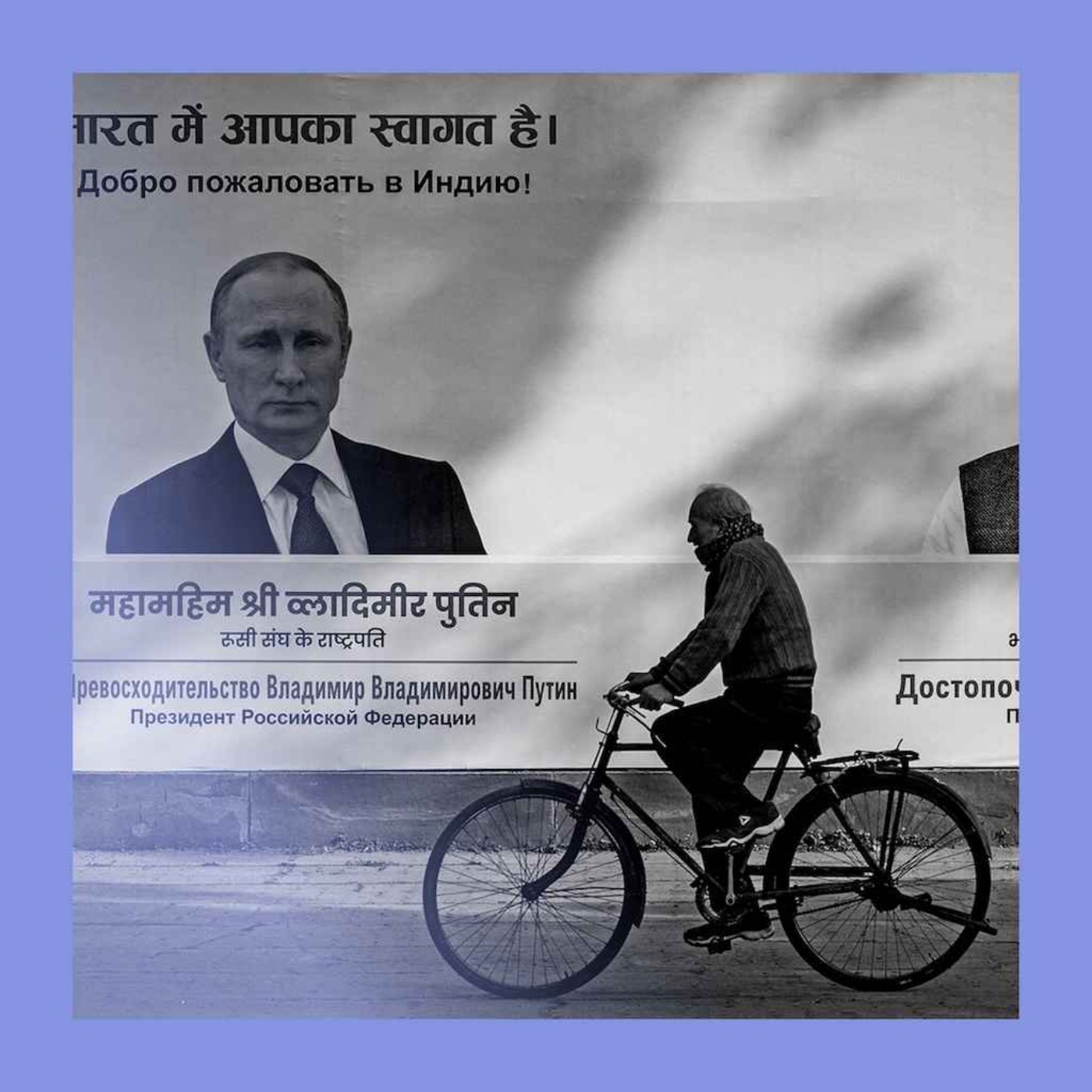
Facing a steep decline in its share of India's defense imports from over 70% to 35%, Russia is offering full technology transfers with its military hardware, like the Su-57 fighter jet. This strategic incentive, which Western suppliers have not provided, is designed to reverse India's drift towards American, French, and Israeli equipment.
Despite perceived advantages, Russia's military performance in 2025 was poor. It achieved only incremental gains at the cost of soaring casualties, pushing their manpower losses beyond recruitment rates. This trend suggests that time is increasingly working against Moscow's ability to sustain offensive operations.
The idea that Ukraine must accept a peace deal because the war is "unwinnable" is a flawed narrative that mirrors Russian propaganda. This perspective overlooks Russia's massive daily casualties and straining wartime economy. The war is unsustainable, but arguably more so for Russia than for Ukraine.

The Ukraine war has forged a new defense industrial bloc. Russia's ability to sustain its war effort is now critically dependent on a consistent supply of Chinese components, North Korean ammunition, and Iranian drone technology, creating a deeply interconnected anti-Western military-industrial axis.
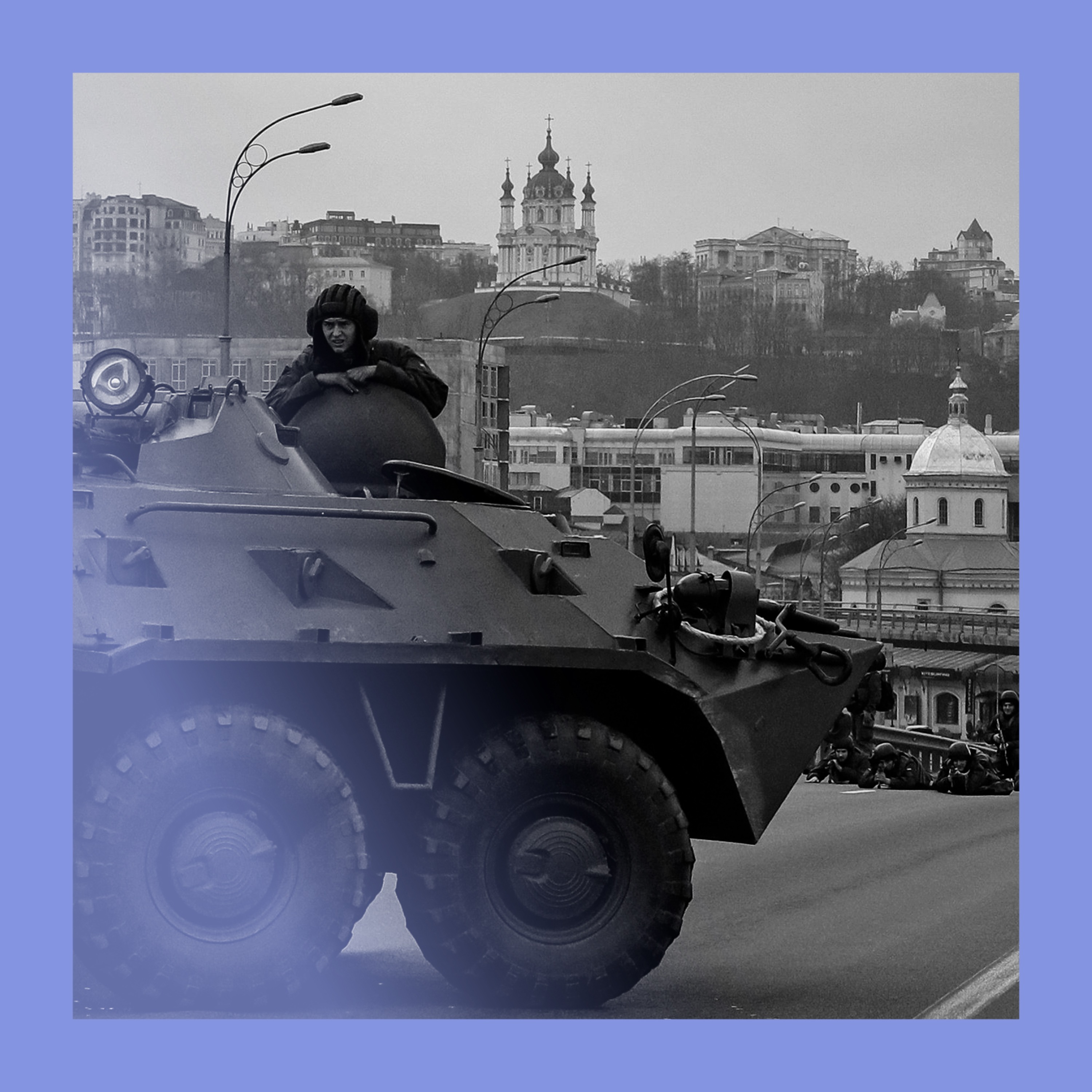
Nations are now prioritizing partnerships with countries that have battle-tested expertise in modern warfare, like Ukraine's drone defense. This practical capability is becoming more valuable than traditional alliances with superpowers whose military technology may be outdated for current threats.

Before the 2022 invasion, Russia seemed invincible after small-scale successes. However, the large-scale Ukraine war revealed a critical weakness: a complete lack of logistics. As military professionals know, logistics—maintenance, supply lines, support crews—are what enable major wars. Russia's failure in this area proved its military is not a true great power machine.