Get your free personalized podcast brief
We scan new podcasts and send you the top 5 insights daily.
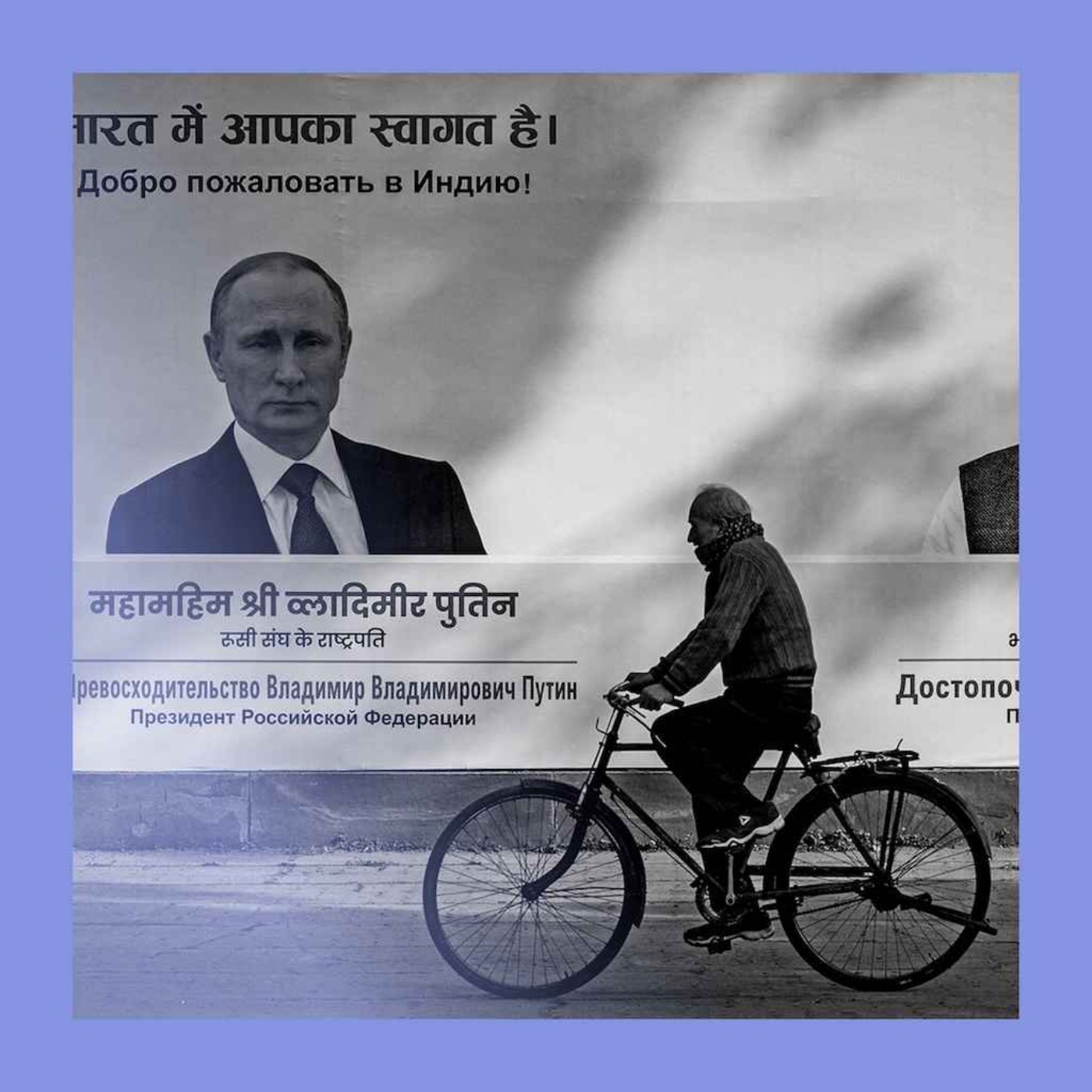
Facing a steep decline in its share of India's defense imports from over 70% to 35%, Russia is offering full technology transfers with its military hardware, like the Su-57 fighter jet. This strategic incentive, which Western suppliers have not provided, is designed to reverse India's drift towards American, French, and Israeli equipment.
Related Insights
US tariffs, specifically a 50% tariff on India, have pushed Prime Minister Modi to publicly reinforce ties with Russia's Putin. This geopolitical shift is not just based on historical allegiance but is a direct strategic reaction to US economic pressure, demonstrating how "America First" policies can unintentionally benefit adversaries.
The conflict in Ukraine exposed the vulnerability of expensive, "exquisite" military platforms (like tanks) to inexpensive technologies (like drones). This has shifted defense priorities toward cheap, mass-producible, "attritable" systems. This fundamental change in product and economics creates a massive opportunity for startups to innovate outside the traditional defense prime model.

Instead of a total ban, a more strategic approach is to "slow ball" an adversary like China by providing them with just enough technology. This keeps them dependent on foreign suppliers and disincentivizes the massive state investment required to develop their own superior, independent solutions.

China's renewed commitment to the previously stalled Power of Siberia 2 gas pipeline is a direct geopolitical response to the U.S. using trade and energy as weapons. This move signals a strategic pivot to reduce its energy dependency on the Western Hemisphere amid escalating trade tensions.

The U.S. is undoing 25 years of bipartisan work by pushing India away with punitive tariffs. This is a massive strategic blunder, as India is the only country with the population and industrial scale to serve as a viable supply chain alternative to China, making it a critical geopolitical partner.

The strategy of selling advanced tech to rivals like China to create dependency is flawed. The example of Tesla in China, which arguably gave BYD a 'paid education' in EV manufacturing, shows this approach can backfire. Instead of addiction, it can accelerate a competitor's ability to learn, iterate, and ultimately leapfrog the original innovator.

Massive backlogs for critical US military hardware are making America an unreliable supplier. This strategic vulnerability is pushing allied nations to develop their own defense industrial bases, creating a huge market for companies like Anduril that can co-develop and establish local production.

Indian refiners are likely to reduce direct purchases from sanctioned Russian entities like Rosneft. This is driven less by the sanctions themselves and more by the desire to protect their reputation and maintain access to the global financial system. The precedent set with Iran, where official imports dropped to zero, suggests a similar pattern.

Countries are rapidly increasing defense spending due to global instability and the US's shifting role. Massive backlogs for US equipment, like a reported 15-year wait for Patriot missiles, are forcing allies to invest in domestic production and R&D for assured supply.

The go-to-market strategy for defense startups has evolved. While the first wave (e.g., Anduril) had to compete directly with incumbents, the 'Defense 2.0' cohort can grow much faster. They act as suppliers and partners to legacy prime contractors, who are now actively seeking to integrate their advanced technology.